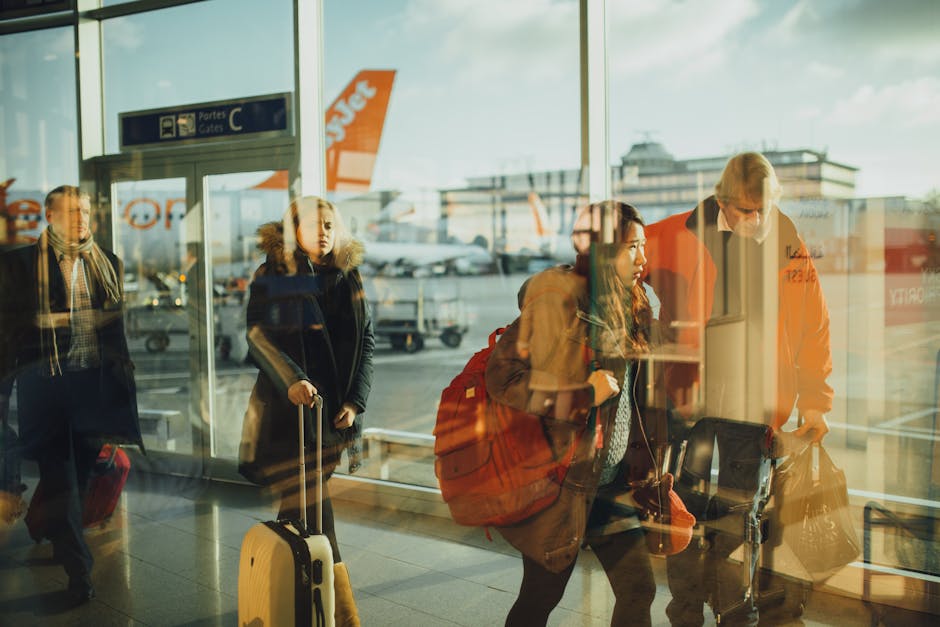
In a world where business holds all the cards, it’s about time airlines got serious about passenger behavior. The recent proposal to blacklist abusive passengers across all airlines isn’t just a win for sanity in the skies; it’s a necessary move for the business of air travel itself. According to BBC Business, this new scheme would enable airlines to share information on disruptive passengers, potentially restricting their access to flights altogether. Sounds like a plan that should have been implemented ages ago.
Why This Proposal Matters in the Business Landscape
The discussion around disruptive passengers has been bubbling up for years. Airlines have long struggled with unruly travelers who throw temper tantrums, challenge crew authority, or, even worse, exhibit violent behavior. The rising instances of such incidents threaten the safety and comfort of all passengers, not to mention the overall business atmosphere that airlines are hoping to maintain.
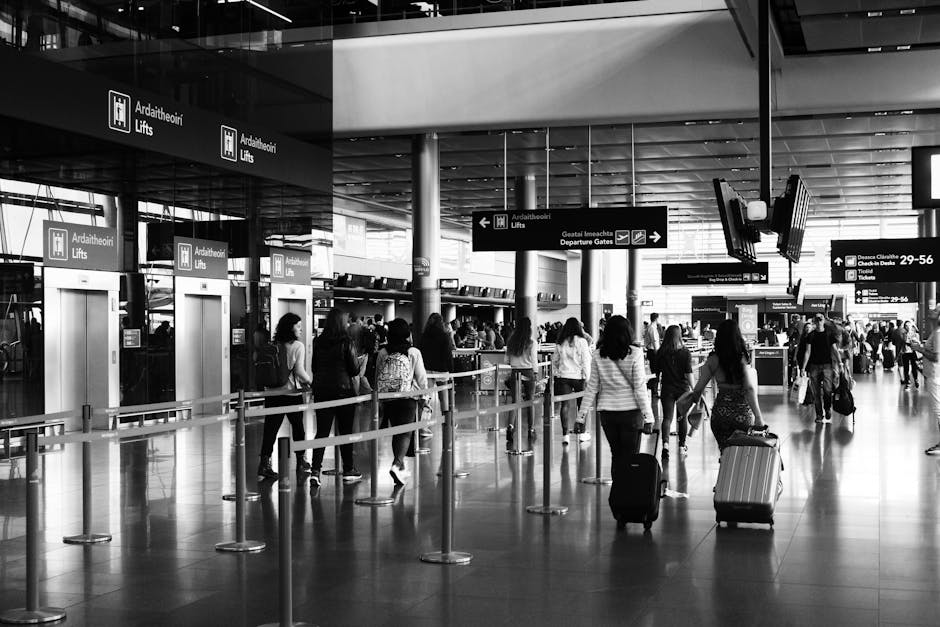
This proposal comes in the wake of a rapid increase in air travel post-pandemic, where the pent-up demand has led to packed flights. More passengers mean more potential for chaos. The stakes for airlines are high: a single unruly passenger can ruin the experience for dozens of others, tarnishing the airline’s reputation and ultimately affecting its bottom line.
The Business Implications of Blacklisting Passengers
Now we’re venturing into the deeper waters of business ethics and customer relations. On the one hand, blacklisting disruptive passengers could enhance the travel experience for everyone. Clear consequences for bad behavior might deter some from acting out in the first place. On the other hand, there’s that uncomfortable truth about the subjective nature of what constitutes “disruptive”—after all, one airline’s nightmare passenger may be another’s harmless eccentric.
What happens if someone gets inadvertently blacklisted due to a false report? The business ramifications could be dire—not just for the individual but also for the airline. It could lead to lawsuits, public relations disasters, and a costly legal quagmire that would far outweigh the cost of simply tolerating a difficult passenger.
Meanwhile, the industry stands at a crossroads: do they prioritize safety and the comfort of the majority, or do they risk alienating their customer base by enforcing a zero-tolerance policy? The potential for misuse lurks ominously in the background, waiting to pounce if this initiative goes awry.
Who Really Wins in This Business Game?
The real winners in this situation are passengers who have had to endure the chaos of disruptive individuals in confined spaces. Though airlines argue that slowboarding and delays are the result of operational challenges, true disruptions come from the passengers who think they are above the rules. A robust blacklisting policy could ensure that more business-focused travelers feel safe and respected in their choice of airline.
However, the losers could be the airlines themselves if they don’t handle it delicately. Implementing this policy without proper checks and transparency could lead to a backlash from customers who feel unjustly treated. Consider the backlash that other businesses have faced for implementing overly strict measures.
At the end of the day, this proposal is a reflection of a larger problem within the airline business: maintaining a balance between making money and ensuring passenger safety. Airlines must get this right to avoid kicking off a war with their customers, a war that could tarnish their brand and their business.
In conclusion, as the airline industry grapples with this much-needed proposal, the question remains: can they strike the right balance between protecting passengers and upholding fair business practices? Time will tell, but one thing is for sure—this is a conversation worth having. If they don’t tread carefully, they could find themselves blacklisted by the very customers they seek to serve.
Source: BBC Business