In a region marred by conflict and instability, the idea of peace talks seems almost absurd. Yet, the Middle East finds itself on the brink of another round of discussions, this time between Israel and Lebanon, facilitated by the Pentagon after a series of heavy strikes. Can these talks carve out a pathway to peace, or are they just another exercise in futility?
According to DW.com, Israel and Lebanon are set to engage in Pentagon-mediated talks following significant military clashes. The recent strikes underscore the ongoing tensions that have defined the relationship between these two nations, raising questions about the effectiveness and sincerity of these dialogues.
The Stakes in the Middle East
The Middle East is no stranger to diplomatic attempts to resolve its age-old conflicts, but the specter of violence is never far behind. The latest round of strikes adds to a history filled with broken promises and failed negotiations. With Israel’s military might on full display and Hezbollah’s retaliatory capabilities, the stakes of these talks are higher than ever. Who stands to gain the most? The United States, acting as a mediator, hopes to stabilize an increasingly volatile region. However, this may be less about peace and more about maintaining influence amidst the chaos.
This dialogue isn’t just a matter of two nations; it’s a microcosm of larger geopolitical forces at play. Iran looms large in Hezbollah’s calculations, while the U.S. grapples with its waning influence. The players involved, from regional powers to global superpowers, are all vying for their piece of this pie. In this context, the so-called peace talks start to feel more like a chess game than a genuine pursuit of harmony.
An Illusion of Progress
It’s easy to be cynical about the prospect of real change coming from these discussions. Historically, the Middle East has seen many such meetings yield little more than empty rhetoric and heightened tensions. The mainstream media often portrays these events as breakthroughs, ignoring the reality that both sides are entrenched in their positions.
What could go wrong? Quite a lot. If these talks don’t lead to tangible results, they could further embolden hardliners on both sides, plunging the region back into chaos. Moreover, the potential for miscommunication, particularly in a high-stakes environment like this, is enormous. A single misstep could ignite a conflict that draws in multiple actors, exacerbating an already dire humanitarian situation.
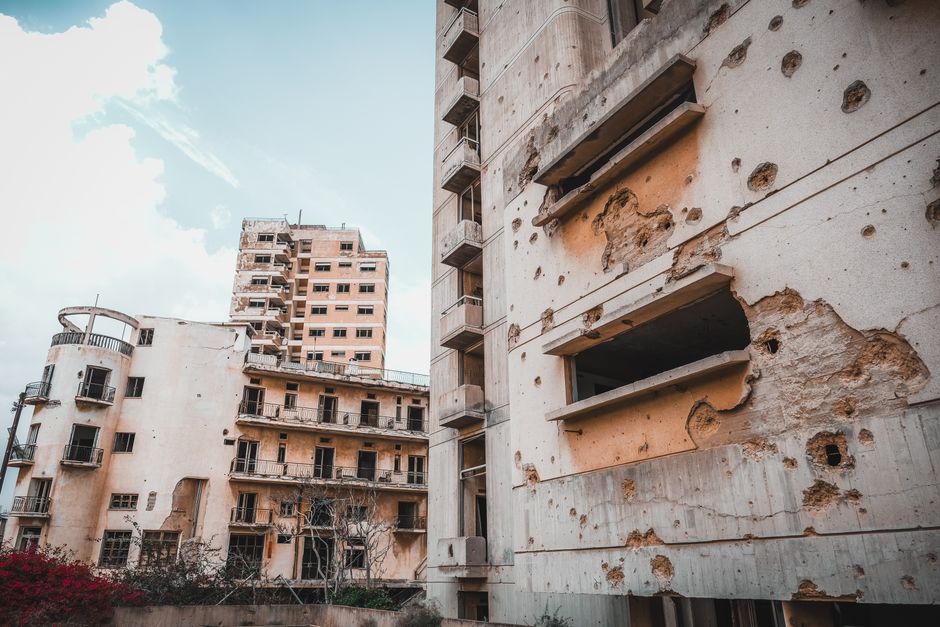
Conversely, if by some miracle an agreement is reached, who truly benefits? Will it be the average citizen in Israel or Lebanon, or will it simply serve as a facade for the elites to maintain their grip on power? The cynics among us would argue that peace is the last thing these leaders want; a state of conflict is far more profitable.
Negotiations in the Middle East often feel like a farcical dance. The steps are rehearsed, but the outcome is unpredictable. Will these talks be a turning point, or just another twist in the chaotic saga of Middle Eastern diplomacy?
The irony is rich: while tensions boil over, genuine peace remains a distant dream. As we watch these talks unfold, one can’t help but wonder whether the real aim is to placate international observers rather than serve the needs of the people directly affected by this enduring conflict. In the end, the question lingers: can anyone truly negotiate peace in a place where war has become the norm?
Source: Google — Middle East