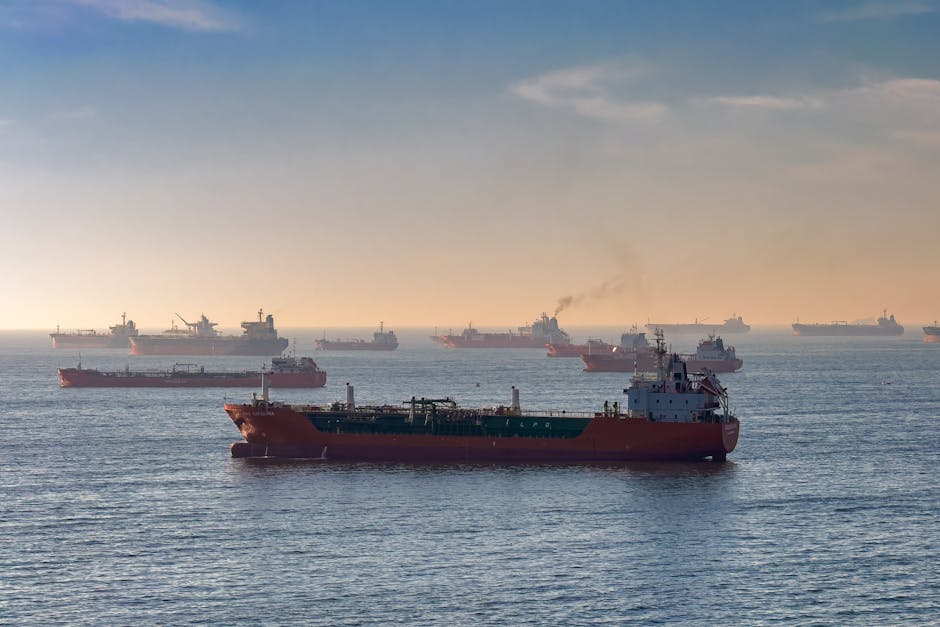
Is the Strait of Hormuz about to transform from a battleground to a bustling waterway? If recent reports are anything to go by, the U.S. is closing in on an arrangement to reopen the Strait of Hormuz, a critical artery for global oil shipments that has been mired in tensions for far too long. The implications for the Middle East and the world at large are monumental.
According to the New York Times, U.S. officials have indicated they are nearing an agreement that could restore free movement through this pivotal strait, which has been a flashpoint for conflicts involving Iran and its neighbors. This development comes amid escalating concerns about security and economic stability in the region.
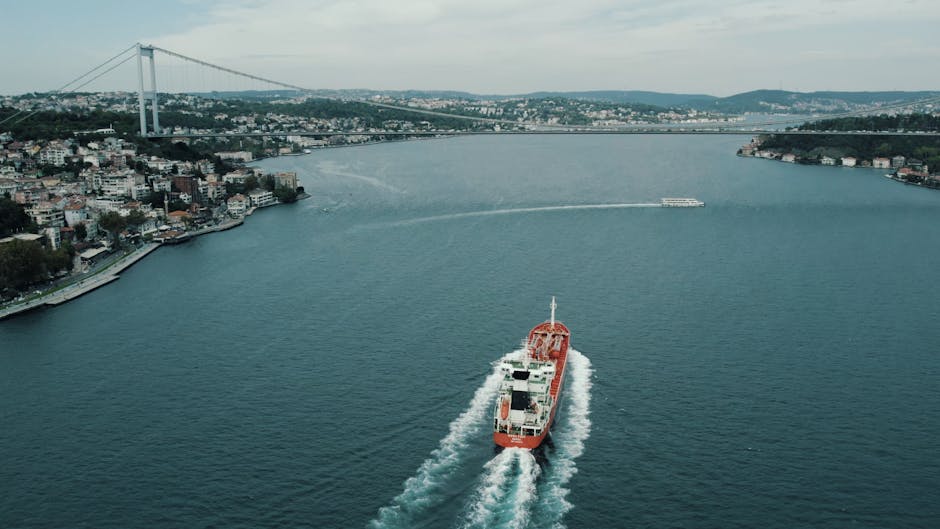
The Importance of the Strait of Hormuz in the Middle East
The Strait of Hormuz isn’t just a narrow passage; it’s the lifeblood of the global economy. Approximately 20% of the world’s oil passes through this narrow chokepoint. The stakes have been raised as Iran’s aggressive actions and threats against shipping in recent years have heightened global anxieties. It’s not just about oil; it’s a symbol of control and power in the Middle East, where the balance of influence hangs by a thread. The U.S. has long viewed the free passage of goods and energy as essential to its interests and those of its allies, particularly amid increasing Iranian assertiveness.
The history of hostilities in the Strait of Hormuz reveals the complexities that have led us here. The U.S. has engaged in intense diplomacy and military posturing, hoping to secure a reliable route for tankers and cargo ships. Yet, every attempt at peace in this region is met with challenges, as financial and political interests collide.
Who Stands to Win or Lose in the Middle East?
So, what does this potential reopening of the Strait of Hormuz mean? If successful, it could signal a momentous victory for the U.S. and its allies, reinforcing their dominance in a region long defined by chaos. This might also pave the way for improved relations with Gulf partners who have their eyes set on economic recovery post-pandemic.
However, let’s not sugarcoat it: the risks remain high. Iran will likely view any U.S. presence as a direct threat, raising the specter of further hostilities. There’s a real fear that a misstep could reignite tensions, plunging the region into chaos once more. The mainstream media often glosses over these complexities, painting a simplistic picture of diplomacy as a mere switch to turn on peace. It’s much messier than that.
On the ground, we may see mixed sentiments from local populations. For some, the reopening of the Strait of Hormuz could invigorate local economies and encourage international trade. For others, it might feel like a reassertion of foreign control over their waters, stirring resentment and resistance.
In a region where every action reverberates through history, the question looms large: can the U.S. navigate the treacherous waters of Middle East diplomacy without sinking? The Strait of Hormuz is more than just a passage for oil; it’s a gateway to understanding power dynamics that have persisted for decades. As we stand on the precipice of change, the hope is that this time, it leads to a more stable and prosperous future—though history has taught us to approach with caution.
What happens next could redefine not just the Middle East, but the global economic landscape. Are we witnessing the dawn of a new era, or are we merely placing a band-aid over an ever-widening wound? The answer remains unclear, but the stakes have never been higher.
Source: Google — Middle East