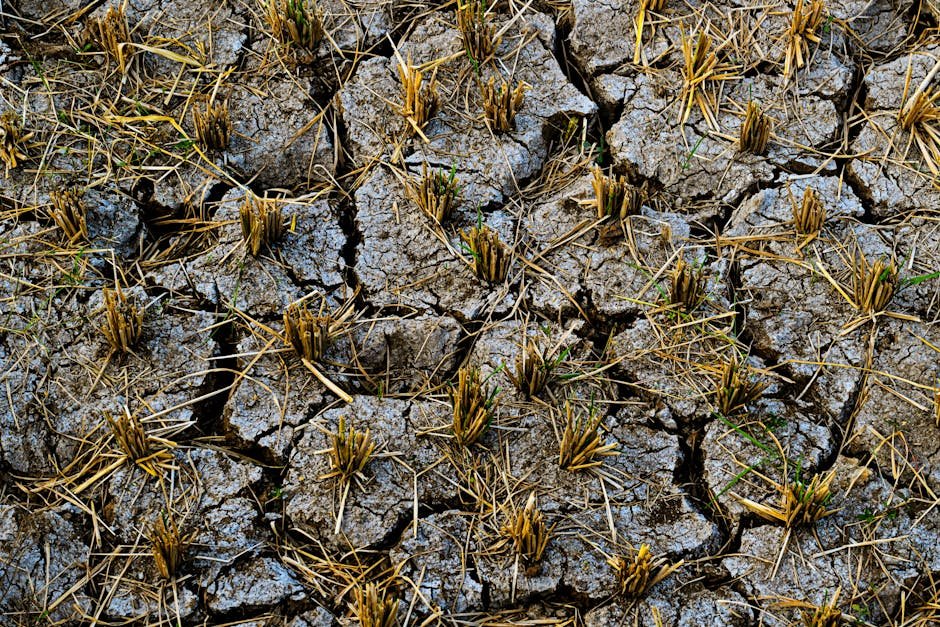
Droughts are often framed as nature’s adversaries, but what if I told you that technology could become our greatest ally in this relentless battle? The rise of predictive modeling and data-driven approaches is not just a trend; it’s a potential game-changer for how we manage droughts. According to a recent report from the University of California, researchers are harnessing the power of artificial intelligence to forecast and mitigate drought impacts like never before.
The Intersection of Technology and Drought Management
The University of California’s findings highlight a promising fusion between technology and environmental science. By utilizing AI algorithms, scientists claim they can predict drought conditions with a level of sophistication that traditional methods cannot achieve. This could revolutionize how agricultural sectors, urban planners, and policymakers strategize around water usage and conservation.
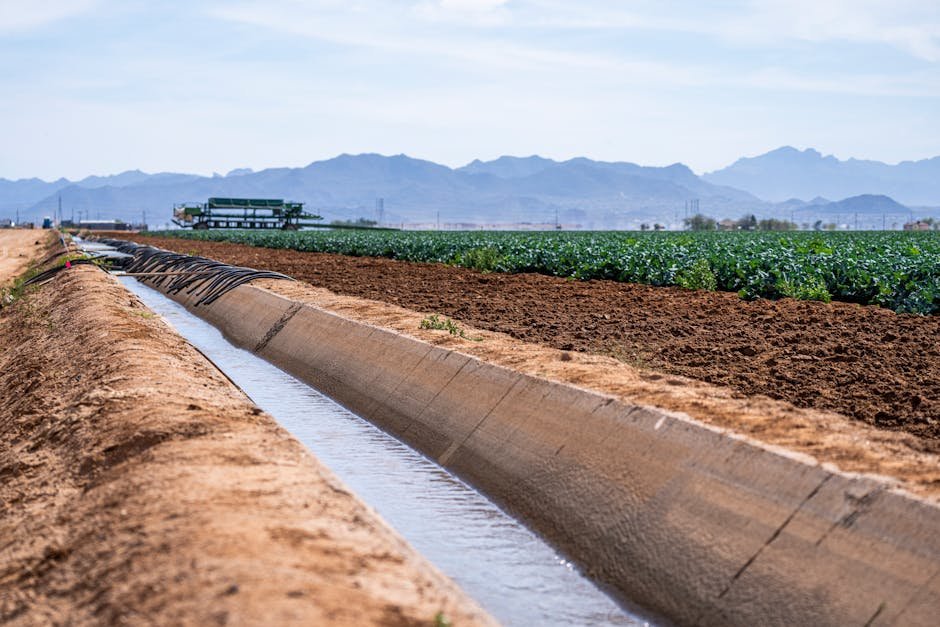
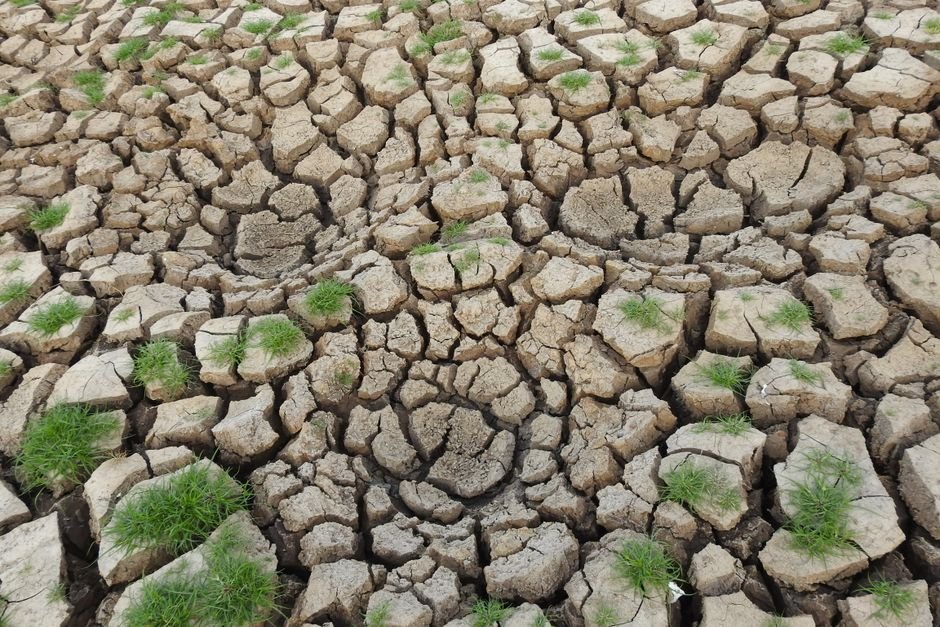
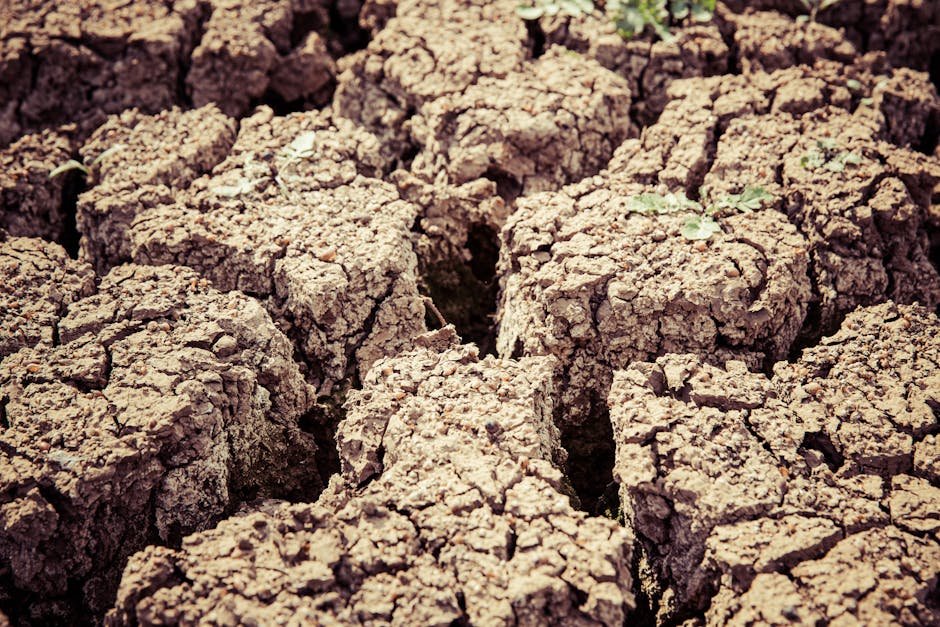
Drought has become a pressing global concern, exacerbated by climate change and unsustainable water practices. With regions like the American West increasingly facing acute water shortages, the timing of this research couldn’t be more critical. Who are the key players in this game? Tech-savvy researchers, farmers on the frontlines, and policymakers who need to act fast. The stakes are high; failure to adapt could lead to agricultural collapse and economic devastation.
Why Technology Matters in the Fight Against Drought
The implications of integrating technology into drought management are profound. For farmers, AI-powered predictions could mean the difference between a bountiful harvest and crippling losses. For urban centers, it could inform water rationing protocols before a crisis hits. However, the mainstream discussion often overlooks the urgent need for widespread adoption of such technological innovations. Many are still clinging to outdated methods, jeopardizing our ability to respond effectively.
Yet, we must also tread carefully. Relying heavily on technology without addressing underlying issues, such as overconsumption and policy failure, could backfire. The tendency to see technology as a silver bullet can lead to complacency. Therefore, while AI presents a powerful tool, it must complement a broader strategy that includes sustainable practices and community engagement.
The potential for technology to predict and manage droughts is undeniably exciting, but it raises questions about equity. Will small-scale farmers have access to these innovations? Or will they be left behind, as is often the case in a tech-driven landscape? The digital divide could exacerbate existing inequalities, leaving the most vulnerable communities to bear the brunt of climate change.
The integration of technology in drought management is not just an innovation story; it’s a societal challenge. It requires collaboration across sectors and a commitment to inclusivity. As we stand on the precipice of a new era in environmental management, we must ask ourselves: Are we ready to embrace technology not just as a tool, but as a cornerstone of our environmental strategy?
In conclusion, while the promise of AI in predicting and managing drought is bright, it’s fraught with implications that go beyond mere data analysis. We must ensure that this technology serves everyone, and that it is part of a comprehensive approach to water management—one that recognizes the value of nature alongside the capabilities of technology. As we venture into this new territory, let’s hope we don’t lose sight of the humanity at stake.
Source: Google — Technology & AI