
Is the future of health tech a remedy for our greatest anxieties, or just a distraction from deeper issues? The latest trends in health innovations, notably a groundbreaking sleep apnea wearable, aim to revolutionize patient care while also raising critical questions about the healthcare system’s true priorities.
According to the BBC, recent advancements include a sleep apnea wearable designed to monitor and mitigate one of the most common yet overlooked health issues. Additionally, there’s technology being developed to free up hospital beds and an app focused on breast health, aiming to make preventive care more accessible.
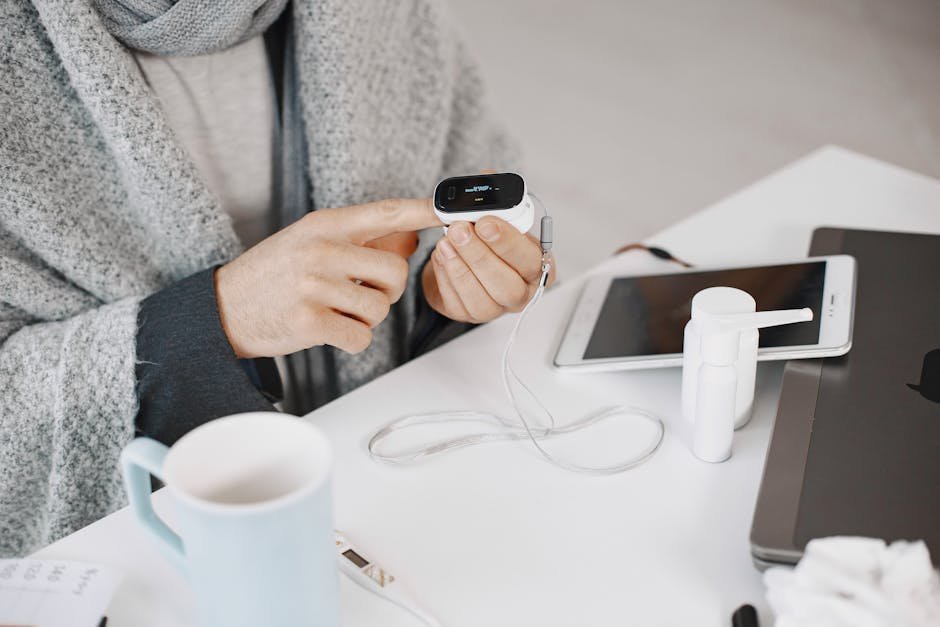
The Intersection of Health and Innovation
At first glance, these innovations in health seem like a shining beacon of progress. The wearable tech for sleep apnea could help millions who struggle nightly, while tools that optimize hospital resources are crucial in a healthcare system that often feels overwhelmed. But let’s not forget the context in which these developments are emerging. The healthcare landscape is grappling with systemic issues: long wait times, resource scarcity, and a glaring deficit of preventive care initiatives.
Moreover, the growing dependence on technology raises concerns. Are we focusing too much on gadgets while neglecting the fundamental problems within our healthcare system? The tech boom in health may alleviate symptoms but often neglects the root causes of these pressing issues, which could lead to a false sense of security among patients and providers alike.

Who Stands to Benefit?
The stakes are high. On one side, the developers and investors in health tech stand to profit handsomely from this new wave of inventions. Companies creating wearables and apps are poised for financial windfalls as people seek solutions to their health dilemmas. On the other hand, the real losers are the patients if these technologies divert attention from systemic reforms.
While the potential for innovation is exciting, there’s a dangerous complacency in thinking that gadgets alone can fix what ails us. What about addressing the fundamental disparities in access to healthcare? Instead of relying solely on technology to free up hospital beds, shouldn’t we be investing in more robust community health initiatives to prevent hospitalization in the first place?

Moreover, while a breast health app sounds helpful, it might be a band-aid on a much larger problem regarding women’s health awareness and accessibility. If we truly care about health, we need to focus on more than just putting out fires; it’s about creating sustainable practices that don’t depend solely on tech.
In an era where conflict and security concerns overshadow discussions about public health, let’s not forget that health and well-being are foundational to societal stability. The push for health innovations must not blind us to the realities of inequality and inefficiency that plague the system.
As we see more health tech hitting the market, one has to wonder: will we let these tools redefine healthcare for the better, or will they serve merely as distractions in a system that needs deeper reform? The future of health tech is uncertain, but its implications are undeniably critical. Are we ready to engage in a deeper conversation about what health truly means in 2026 and beyond?
Source: BBC Technology