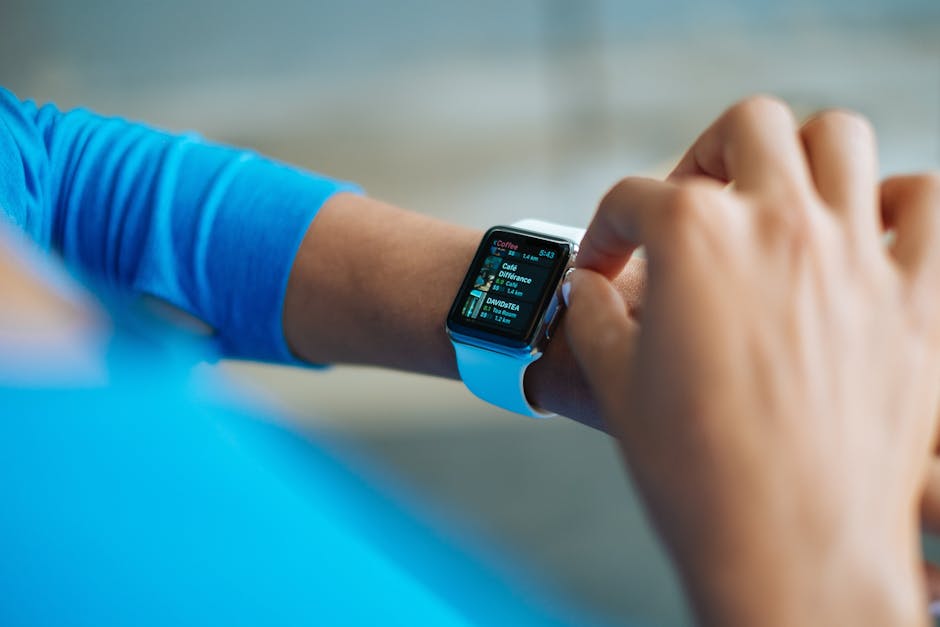
Are we truly ready for a tech-driven health revolution, or are we simply masking deeper systemic failures? As the world rushes headlong into the era of gadgets designed to monitor every heartbeat and breath, the focus on health has somehow morphed into a shiny promise rather than a tangible reality.
According to the BBC, recent innovations include a wearable device for sleep apnoea, technology aimed at freeing up hospital beds, and a new app dedicated to breast health. Each promises to tackle pressing health issues, but can we really trust gadgets to deliver what our healthcare systems have failed to provide?
The Health Tech Landscape: Progress or Palliative?
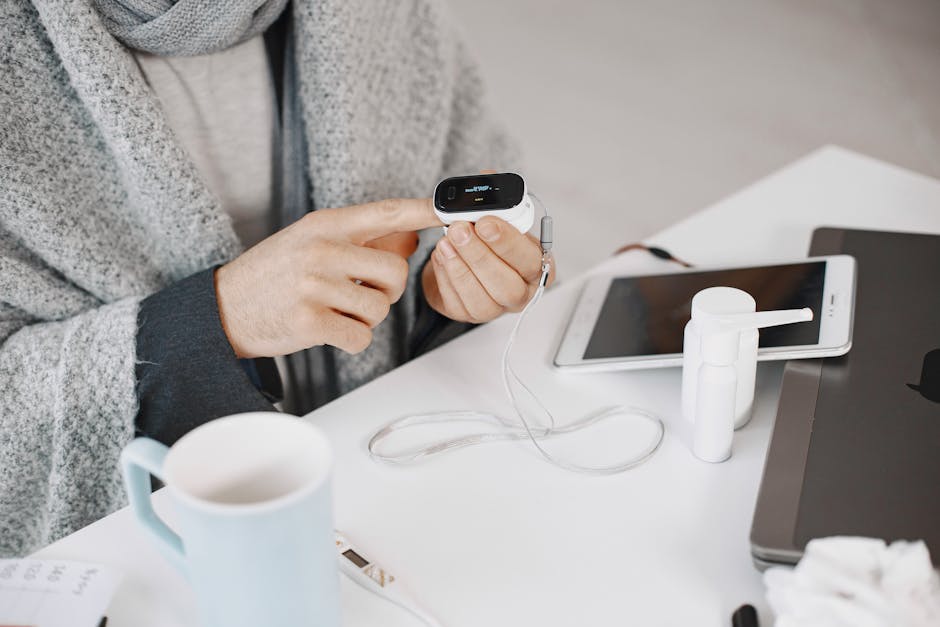
The intersection of technology and health has become a battleground of possibilities, yet it feels more like a patchwork of solutions than a cohesive strategy. The wearable for sleep apnoea is a noteworthy advancement, especially given the rising awareness of sleep disorders. Similarly, tech designed to alleviate hospital bed congestion, a critical issue in many regions, is desperately needed. And let’s not overlook the breast health app, which could empower individuals in preventive care.
However, these innovations emerge against a backdrop of an overstretched health system reeling from chronic shortages and rising demand. The irony is palpable: while we’re busy innovating ways to monitor and manage health, the core structure of health services is crumbling. It’s like trying to fix a car with a flat tire by merely adding a new set of rims.
Who Benefits? A Critical Look at Health Innovations
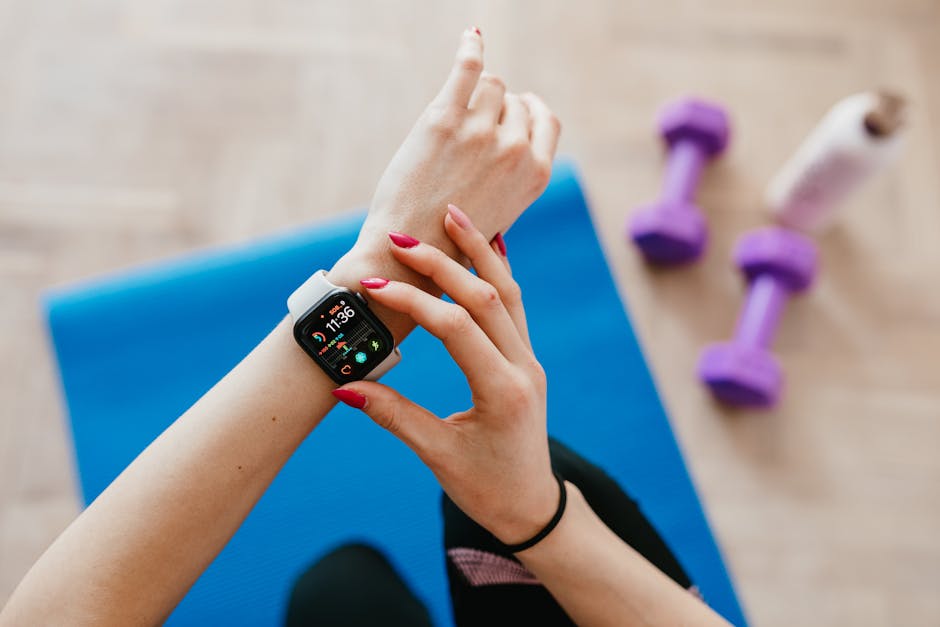
Let’s be clear: health technology does have the potential to revolutionize care. Wearables can provide critical data for patients and doctors alike; apps can empower users with information that was once confined to the doctor’s office. Yet, the central question remains: who really benefits from these advancements?
Patients hoping for a miracle gadget may find themselves disappointed when piecemeal technologies fail to address the underlying problems of access, affordability, and quality of care. The disparity between tech access and real health outcomes is glaring, yet largely overlooked by those heralding every new gadget as a game-changer.
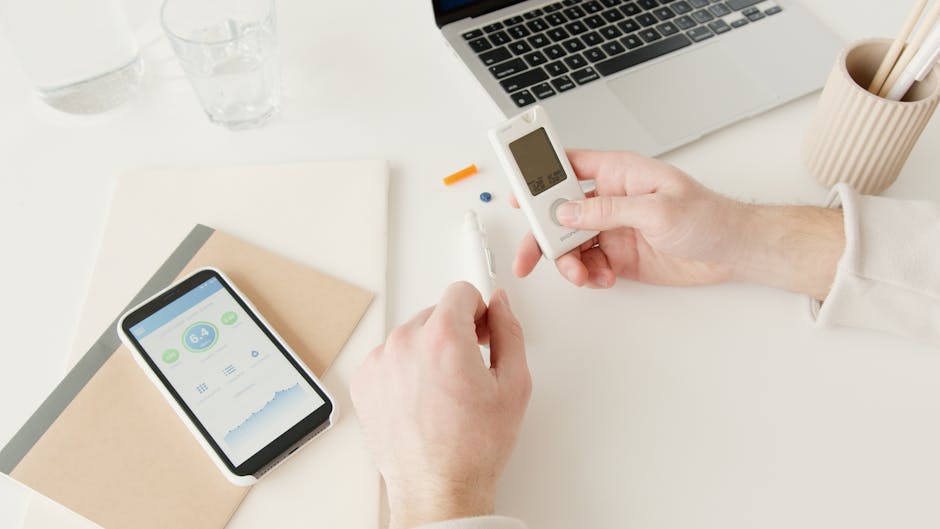
Moreover, in a world where tech giants are increasingly involved in healthcare, we must ask whether these innovations are genuinely in the public’s interest or simply a new revenue stream for corporations. The merger of tech and health can feel like a double-edged sword. Yes, it has the potential to improve lives, but it also risks commodifying our health in unprecedented ways.
As we embrace these wearable tech marvels and apps, we must remain vigilant. The potential for improvement in health outcomes is tantalizing, but the reliance on technology can also divert attention from the pressing need for comprehensive health reforms. Who knows? We might find ourselves in a future where the latest health gadget is just another shiny bauble in a broken system.
While innovation is crucial, it cannot substitute for the fundamental need for a robust and accessible healthcare framework. Until our health systems can assure quality and equity, no amount of tech wizardry will fill that void.
So here’s a question to ponder: will we allow health technology to distract us from the broader, more urgent battles we face in ensuring equitable and effective healthcare for all? Or will we seize the moment to demand a holistic approach that integrates innovation with genuine reform? The clock is ticking, and lives are on the line.
Source: BBC Technology