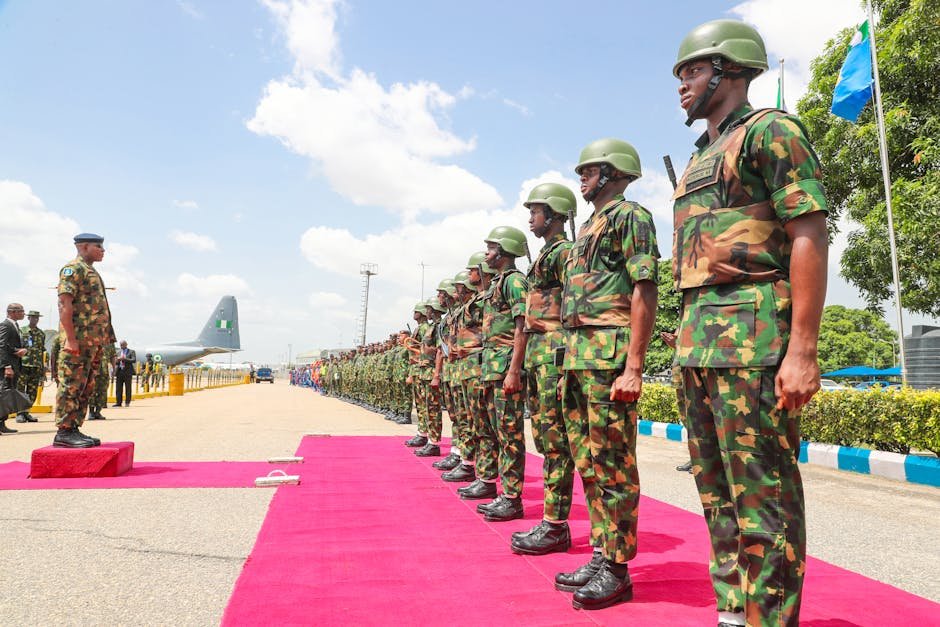
Trump Triumph frames the debate here: Another day, another headline sewn together with the threads of American militarism and bravado. This time, it’s President Donald Trump crowing about a joint US-Nigerian operation that reportedly resulted in the death of Abu-Bilal al-Mainuki, the leader of the Islamic State group. According to AP News, Trump shared this news in a late-night social media post, a platform he knows all too well for broadcasting both triumphs and controversies.
Why Trump trumps matters now
So, what are we really celebrating here? In an era where the West is increasingly skeptical of foreign interventions—watching them often devolve into quagmires—the elimination of a terrorist leader should theoretically be a win. But let’s not kid ourselves into thinking this is a decisive victory in the broader War on Terror. The implications of this operation resonate deeply, both for the future of US involvement in Nigeria and the fragile dynamics of global jihadism.

Here’s the crux: this operation raises fundamental questions about the efficacy of US military partnerships. While Nigeria has been wrestling with Boko Haram and Islamic State affiliates for over a decade, the US’s role has oscillated between a supportive ally and an imperial overseer. The optics of an American president boasting about a foreign mission may appeal to Trump’s base, but they ring alarm bells for those who remember the criticisms surrounding Iraq and Afghanistan. Are we stepping back into another endless conflict, just clad in different uniforms?
The stakes around Trump trumps
In the grand chessboard of geopolitics, such targeted eliminations can create a vacuum rather than fill one. The US may take one leader off the board, but the game continues. Al-Mainuki’s death is a reminder that while terrorist organizations may see leadership changes, their ideologies persist. As we’ve seen time and again, killing a figurehead doesn’t dismantle the network; it often galvanizes the movement. New leadership can emerge from the chaos, even more radical and committed than the last.
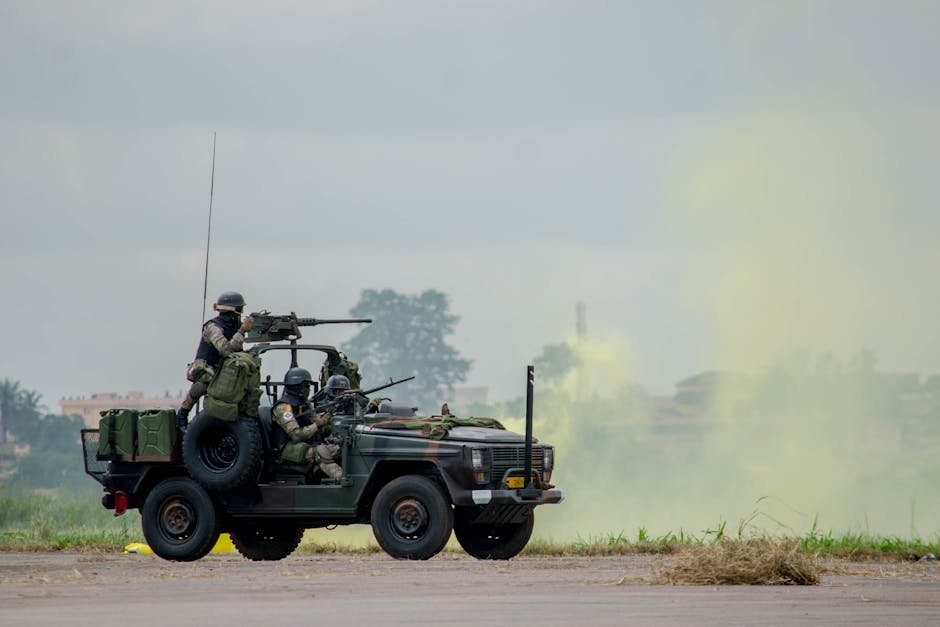
Let’s be clear: this isn’t a condemnation of the mission itself. If the combined forces of the US and Nigeria were effective in neutralizing a threat, that’s certainly something to acknowledge. But the question we must wrestle with is whether these kinds of operations are sustainable or merely temporary fixes. Can we expect the Nigerian forces, which have struggled amid endemic corruption and inadequate resources, to deal with whatever comes next?
Moreover, the timing of this announcement raises eyebrows. With Trump’s shadow looming large over the upcoming elections, is this a calculated move to bolster his national security credentials? If so, it’s a classic case of using military action to score political points, a practice that should worry every citizen. The stakes are high, and lives are at risk—not just for those in uniform, but for civilians caught in the crossfire of a renewed offensive against extremism.
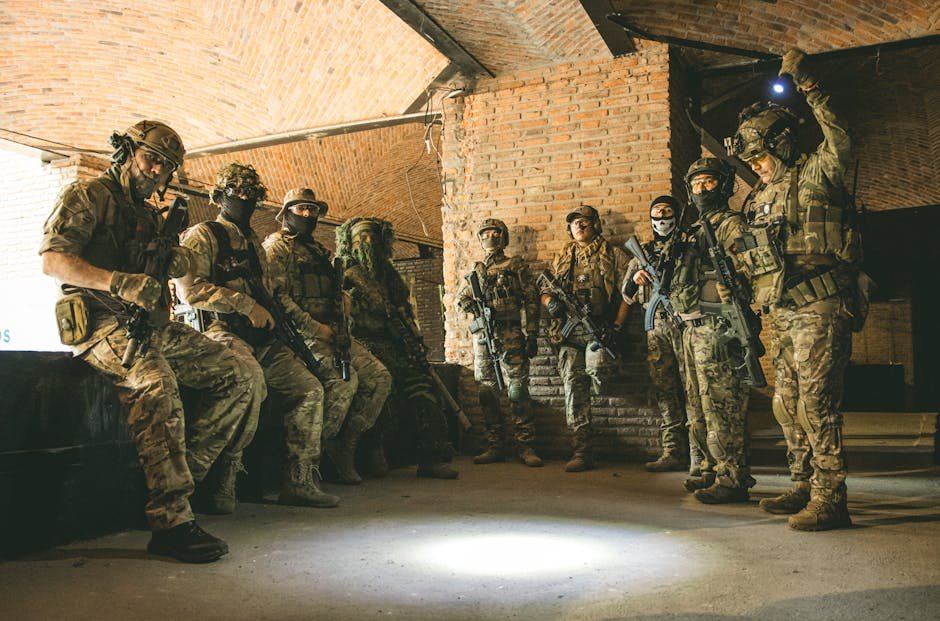
We’ve seen this before: a leader touts military success while conveniently glossing over the long-term ramifications. The mainstream narrative often simplifies such victories into sound bites, neglecting the complex realities at play. Critics will argue that this operation is just another example of “American exceptionalism” disregarding the sovereignty and agency of nations like Nigeria. Is this the kind of partnership we should aspire to, or is it a neo-colonial overreach wrapped in altruistic rhetoric?
As the dust settles on this latest operation, one thing is certain: the fight against terrorism is far from over. As long as ideologies thrive in the shadows, the US will find itself embroiled in these kinds of missions again and again, each time claiming victory while leaving a trail of questions in its wake.
So, are we truly prepared for the challenges that lie ahead, or are we merely flirting with the idea of security while risking deeper entanglements? With every announcement of success, we must remind ourselves that the war on terror is not defined by the death of a single leader but by the enduring resilience of the ideologies that feed it. As we watch the chess pieces move, let’s hope we’re not merely setting ourselves up for yet another checkmate.
Source: Top:general
That tension around Trump Triumph is not going away.