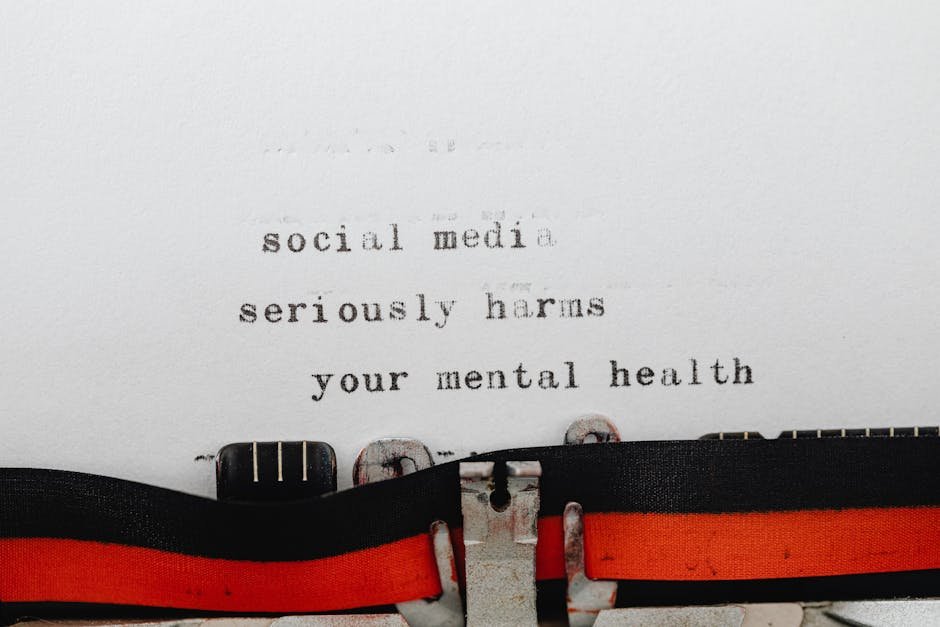
Mental health frames the debate here: As the dust settles on yet another legal skirmish in the tech world, one has to wonder: are social media platforms really responsible for the chaos in our classrooms? In a groundbreaking case, Snap, YouTube, and TikTok have reached a settlement over claims that their platforms have fueled an addiction epidemic among students, costing public schools dearly in both financial and emotional currency.
Why mental health matters now
According to Bloomberg, the lawsuit, initiated by the Breathitt County School District in Kentucky, argues that social media is not just distracting students but also exacerbating mental health issues that burden school budgets. It’s an unprecedented legal move that raises a clarion call for accountability in an industry often shielded by its own rhetoric of innovation and connection.

Why is this important? The mental health crisis among youth has become a national conversation, and social media’s role in this deterioration can no longer be understated. Schools across the country are grappling with an influx of anxiety, depression, and behavioral issues, all of which correlate with increased social media use. The lawsuit reflects a growing recognition that the tech giants, in their quest for clicks and engagement, may have a stake in the hardships faced by educational institutions. They are not mere platforms; they are active players in a broader societal narrative that has repercussions reaching far beyond screen time.
The stakes around mental health
Here’s the hot take: what we’re witnessing is a tectonic shift in the way society holds tech companies accountable. If schools can successfully argue that these platforms have contributed to a mental health crisis, what’s next? Expect more districts to seek justice, not just for financial compensation but for genuine accountability in the face of an epidemic. This settlement may be a mere band-aid; it doesn’t change the fundamental issues at play. The platforms may have escaped a huge financial bullet this time, but they’ve also opened up a Pandora’s box. What if other districts come forward with similar claims? Will we see a wave of lawsuits, and could this be the beginning of a broader movement to hold tech companies accountable for their societal impact?

But here’s where the mainstream narrative falters. While the focus is rightly on addiction and mental health, there’s scant conversation about the responsibility of parents and educators in this mix. Social media didn’t sprout out of nowhere; it’s a byproduct of a cultural obsession that many adults perpetuate. Regulations alone won’t solve the problem. There needs to be a collective effort to instill healthier tech habits in children, and this means confronting uncomfortable truths about our own usage.
Ultimately, the tech giants may think they’ve dodged a bullet, but the stakes have never been higher. Will they finally step up their game, investing in tools that promote mental wellness, or will they continue to prioritize profit over people? The settlement is just the tip of the iceberg, a mere signal that the public is starting to wake up to the consequences of unfettered digital consumption.

In a world increasingly dominated by screens, the question lingers: how much longer can we ignore the cost of connectivity?
Source: The Verge