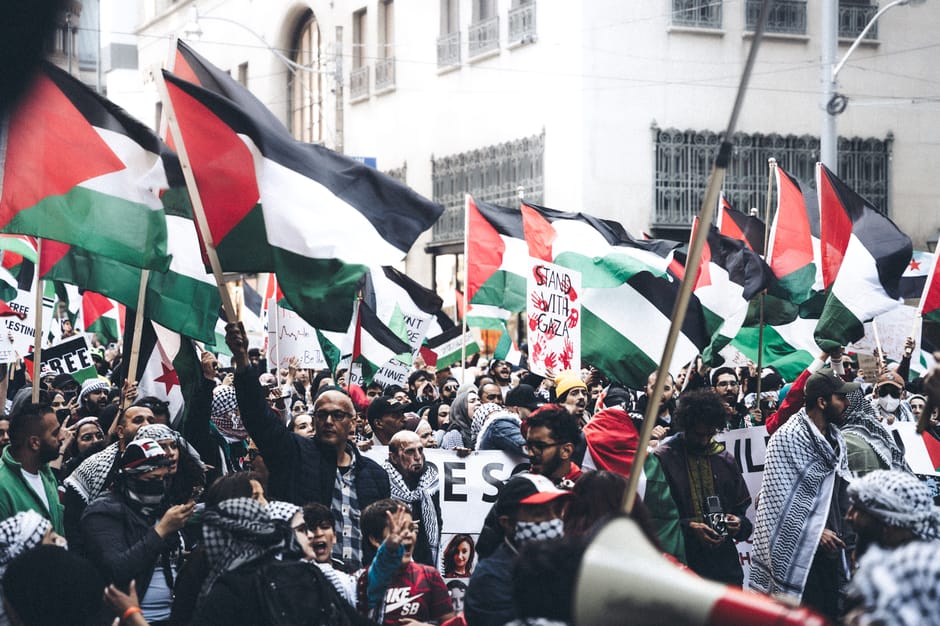
Middle East frames the debate here: Donald Trump is back in the news, spouting off about the Middle East, and once again, the world collectively holds its breath. With all the political maneuvering and tactical bluster, one can’t help but question: are we negotiating peace or priming the conflict in the region? According to PBS, Trump recently asserted that Iran is “negotiating on fumes,” while also guaranteeing that the upcoming midterm elections won’t affect his war strategy.
The Stakes in the Middle East
The context here is critical. The Middle East has been a powder keg for decades, and Trump’s declarations come at a time of escalating tensions not just with Iran, but across the entire region. His cabinet meeting rhetoric may rile up his base, but it also risks alienating potential allies who are weary of more conflict. Trump’s cavalier attitude toward the midterms suggests a dangerous confidence in military intervention, ignoring the actual consequences that military action has on people’s lives.
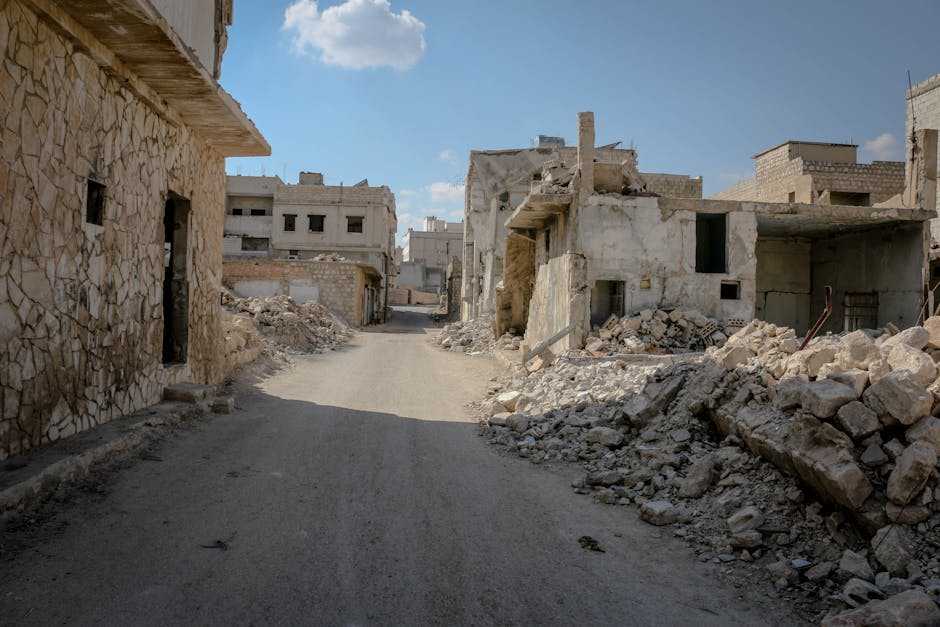
Iran is facing heavy sanctions and a struggling economy, but Trump’s oversimplified characterization of their negotiating position misses the mark. In the broader narrative, Trump’s insistence that midterms won’t affect his decisions indicates a troubling separation from reality. Does he really believe that American voters are indifferent to the human cost of his choices in the Middle East?
A Hot Take on Trump’s Strategy
Let’s be honest: Trump’s comments about Iran are not mere political strategy; they are a signal that the military-industrial complex has his unwavering support. His war strategy hinges on a macho bravado that dismisses diplomacy in favor of aggression. Who wins in this scenario? Certainly not the average American or Iranian citizen. The only clear winners are defense contractors and political elites who profit from perpetual conflict.
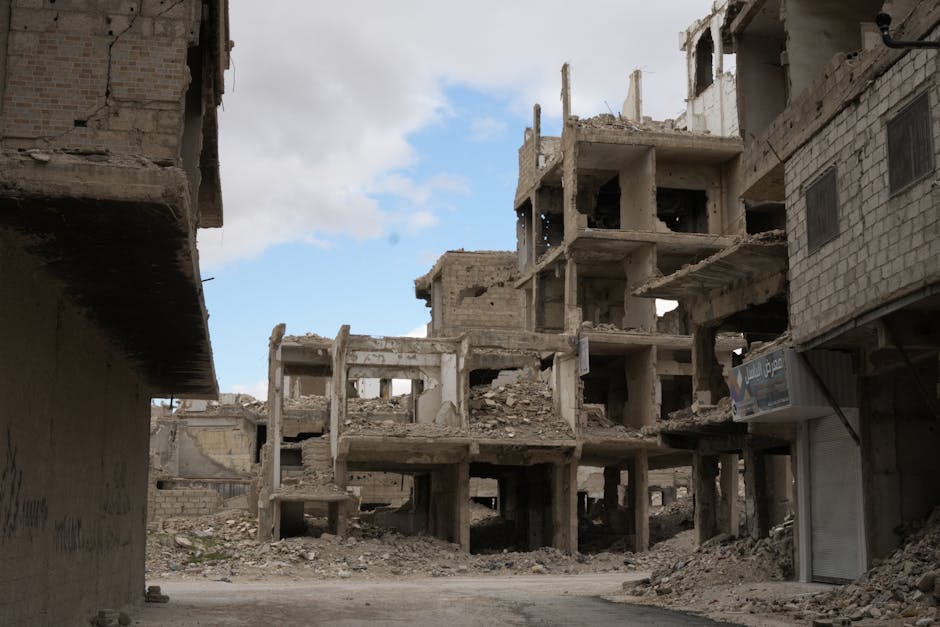
Moreover, the mainstream media often glosses over the voices of those who will bear the brunt of his decisions. The idea that the American public won’t resist more military engagement is not just naive; it is dangerous. The lack of robust dialogue about how these strategies impact real lives in the Middle East is a glaring oversight.
If we look at the historical significance of Trump’s approach, it mirrors past administrations’ failures—continuing to play a game of chicken with nations that have long memories and a history of retaliation. This is not just a diplomatic failure; it’s a humanitarian crisis waiting to explode.
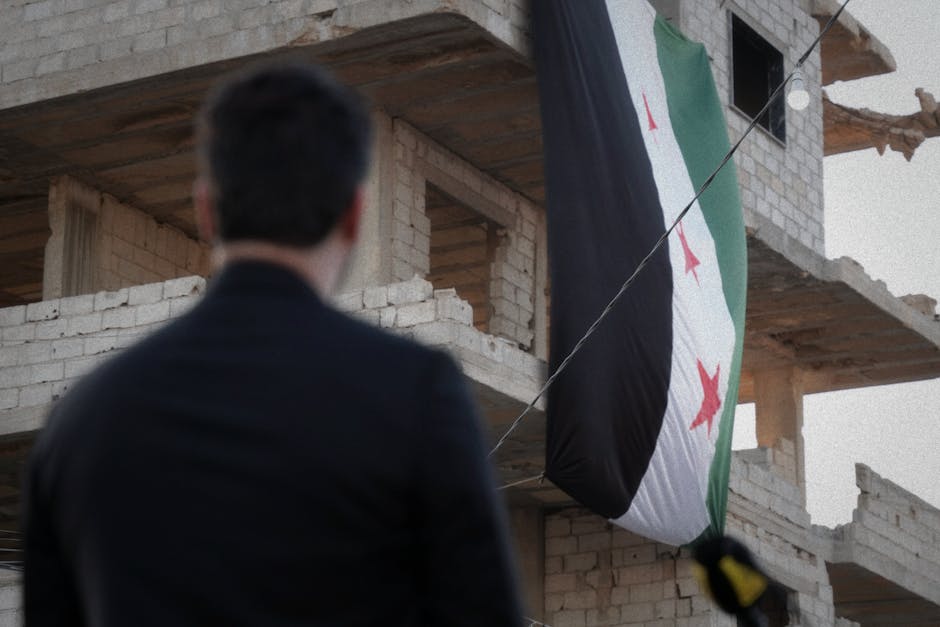
As we look ahead, the stakes could not be higher. If Trump sticks to his guns, expecting no backlash or consequences, he may find himself increasingly isolated—not only from the international community but also from American voters who are tired of endless wars.
In conclusion, as the dust settles on yet another provocative statement from a leader more focused on bravado than strategy, we must ask ourselves: are we prepared to endure the fallout of policies that put power over peace in the ever-volatile Middle East? The answer may very well define not just the future of American foreign policy, but the lives of millions in a region that deserves better.
Source: Google — Middle East