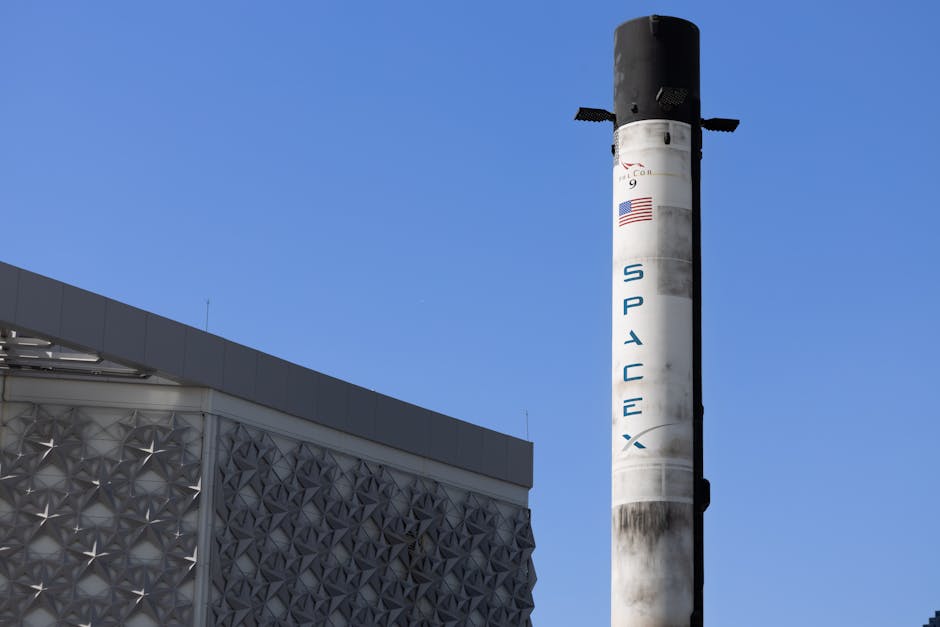
The markets are in a frenzy, and Elon Musk has just thrown a wrench into the works. SpaceX, the trailblazing space company that aims to revolutionize travel, has postponed its highly anticipated Starship launch, just one day after announcing plans for a record-breaking stock market debut. Talk about bad timing!
According to BBC Technology, the company’s latest delay has left investors scratching their heads, wondering if this is a sign of underlying issues or just a standard operational hiccup. With a stock market debut around the corner, analysts are questioning whether Musk’s audacious ambitions are running into the cold reality of financial markets.

The Market Context of SpaceX’s Delay
Musk has always been a figure of controversy, known for pushing the boundaries of technology and public expectations. His ventures—whether it’s Tesla’s electric cars or SpaceX’s interplanetary missions—have captured the imagination of investors and the public alike. However, with the announcement of a record-breaking stock market debut, the stakes are higher than ever. This isn’t just about launching a rocket; it’s about establishing SpaceX as a serious player in the markets.
The postponement of the Starship launch raises eyebrows, especially when the company is trying to signal confidence to potential investors. After all, an ambitious company’s credibility hinges on operational success. If SpaceX can’t get its launches right, what does that say about its promises for the future? The markets thrive on confidence, and any hint of insecurity can lead to a steep decline in stock prices.

Analyzing the Financial Stakes
Musk’s decision to delay the launch could result in significant market repercussions. Current investors may start to question the viability of SpaceX’s long-term plans. Meanwhile, competitors like Blue Origin are watching closely, waiting for any misstep that could allow them to gain market share. If investors lose faith, the fallout could cripple SpaceX’s valuation ahead of the IPO, which is a dangerous risk given the potential capital influx from the stock market.
On the flip side, this postponement might also serve as a strategic move. Perhaps Musk knows something we don’t, weighing the launch against possible market reactions. If he can come back stronger, with a successful launch that wows the investors, the initial delay could be forgotten, and SpaceX might even gain a stronger foothold in the market. However, if the problems are more systemic, the consequences could be dire.
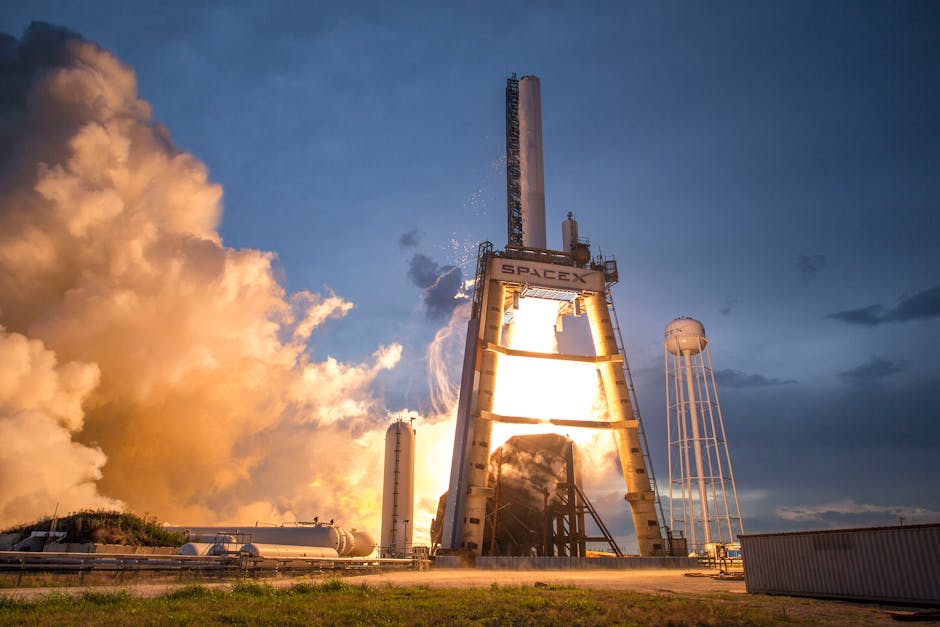
The mainstream analysis often overlooks one critical aspect: the volatility inherent in the markets, especially when intertwined with high-tech innovations. Investors usually expect rocket launches to be flawless. A single misstep can lead to a loss of confidence that cascades through the financial system, affecting not only SpaceX but the entire sector.
The upcoming IPO could have tremendous implications for SpaceX and Musk himself. Should the markets react negatively to this delay, it might not just impact stock prices but also shake the very foundation of Musk’s credibility. And let’s not forget, in the world of high finance, perception is often reality.
As we watch this drama unfold, one question lingers: can SpaceX navigate the treacherous waters of the markets without capsizing? The fate of this space titan rests not just on its technological prowess but on its ability to maintain investor confidence in an unpredictable landscape. As we look ahead, one thing is certain—the markets are watching closely, and so are we.
Source: BBC Technology