
Zee Entertainment frames the debate here: It’s a curious time to be in the broadcast business in South Asia, where Zee Entertainment is reportedly negotiating with FIFA for World Cup broadcast rights. Will this deal signal a change in the game, or just another round of corporate posturing?
According to Reuters, Zee is in talks with FIFA to secure the rights to broadcast the World Cup in India, a move that could reshape sports viewership in a country where cricket has long reigned supreme. Given the growing interest in football, this could be a strategic pivot for Zee.
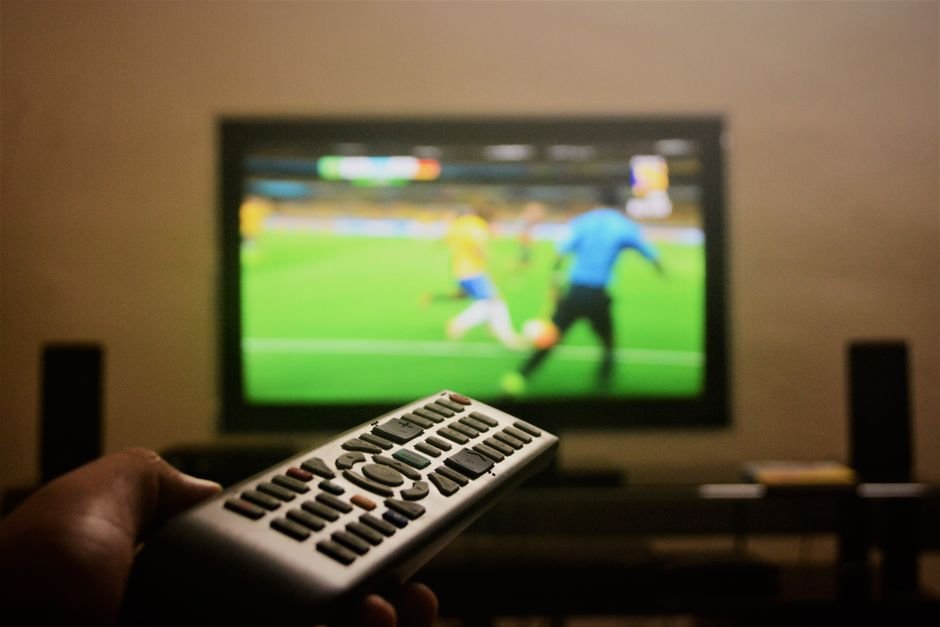
Broadcast Rights and Changing Dynamics in South Asia
The significance of this potential deal cannot be overstated. The World Cup is not just a sporting event; it’s a cultural phenomenon. In South Asia, football’s popularity is on the rise, thanks to the influence of European leagues and the Indian Super League. This shift presents an opportunity for broadcasters like Zee to tap into a burgeoning market. However, the stakes are high. Traditionally, cricket dominates the airwaves, leaving little room for other sports.
As Zee positions itself to capture a slice of the football pie, it faces stiff competition from established rivals. Companies like Star India, which has a stronghold on sports broadcasting, will not relinquish their dominance without a fight.
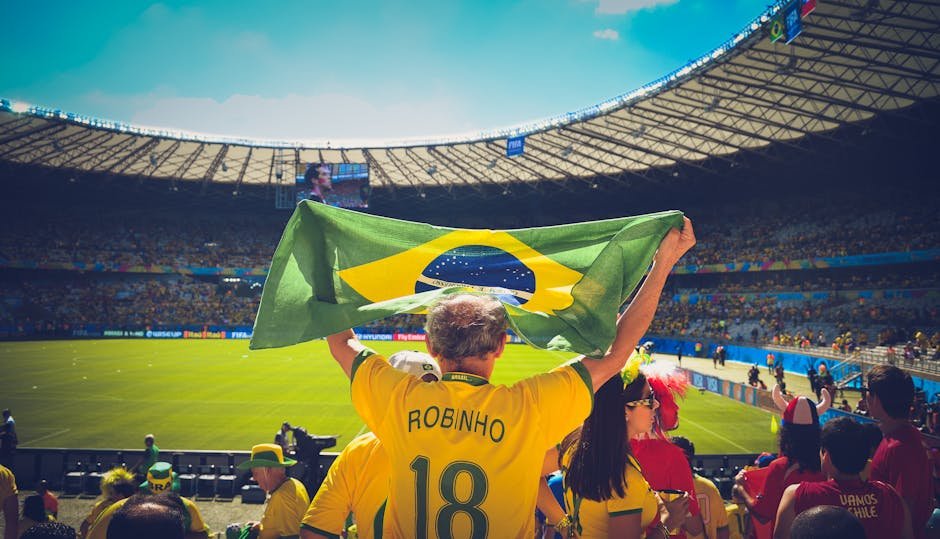
The Stakes: Who Wins and Who Loses?
So, what does this mean for the average viewer in South Asia? If Zee successfully secures these rights, it could lead to an influx of football content, enhancing the options available to sports fans. This would not only elevate the profile of football in India but also empower Zee as a key player in the sports broadcasting arena. However, if this negotiation falters, the consequences could be dire. Without a proper platform to showcase the World Cup, football’s growth in the region may stagnate.
The real question is whether Zee can innovate and deliver compelling coverage that captivates audiences. In a landscape saturated with cricket, there’s a risk that viewers might not tune in. If they fail, it could reinforce the notion that football is simply a secondary sport in a cricket-dominated market.
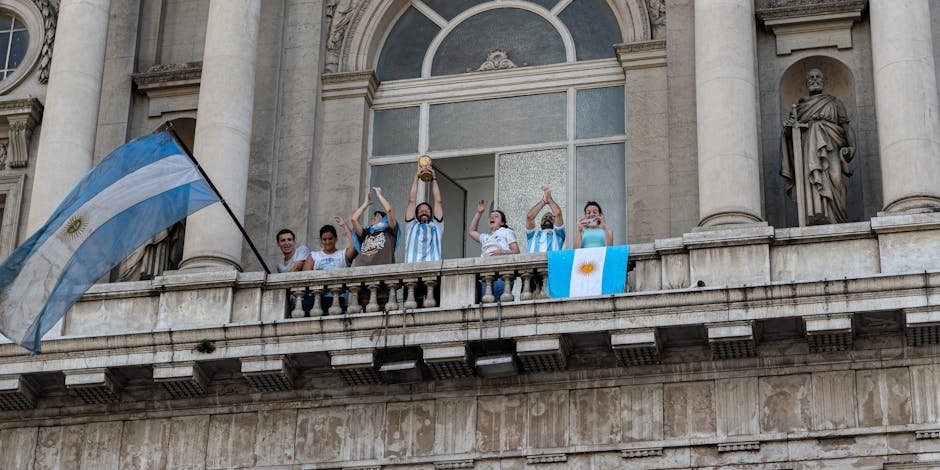
However, let’s not overlook the broader implications here. The negotiations reflect a shifting paradigm in South Asia’s media landscape, where traditional sports hierarchies are being challenged. Streaming platforms and digital media are making waves, and viewers are increasingly expecting diverse sports content. Zee’s move could either be a brave step into this new reality or a costly misstep.
As the talks progress, all eyes will be on how Zee navigates this complex terrain. If they successfully secure the broadcast rights, they may just redefine the sports broadcasting playbook in South Asia. The clock is ticking, and the world will be watching to see if Zee can kick it into high gear.
At the end of the day, it comes down to viewer choices and the hunger for a wider array of sporting content. Will South Asia’s appetite for football finally be satisfied, or will it remain an afterthought in a cricket-crazy culture? Only time will tell, but one thing is certain: the game is changing, and those who fail to adapt might find themselves sidelined.
That tension around Zee Entertainment is not going away.
Source: Google — South Asia