Vladimir Putin’s recent trip to China was billed as a display of unity between two global heavyweights, but in the world of realpolitik, appearances can be deceiving. The backdrop of this visit? An empty promise regarding a critical pipeline deal between Russia and China. As tensions simmer worldwide, can Russia truly count on its supposed ally?
According to the BBC, while Putin was warmly welcomed in China, the trip did not yield the anticipated pipeline agreement, exposing the fragility of their partnership. It was a grand show of camaraderie, yet the lack of a concrete deal underscores a significant rift beneath the surface.

The Fragility of Russia’s Alliances
This situation is especially alarming considering the geopolitical landscape. In recent months, as Western sanctions continue to cripple the Russian economy, Putin has increasingly leaned on China as a lifeline. However, the reality is that despite their shared interests, the relationship is far from a marriage made in heaven. China, with its own aspirations for dominance, is not eager to become entirely dependent on Russia, particularly when it comes to energy resources. The failure to nail down this pipeline deal signals that Russia’s bargaining power may be weaker than it appears.
In this context, the lack of a definitive agreement on energy trade underscores a crucial aspect of global politics: strength in numbers does not equate to equal power. While Russia may project an image of strength on the world stage, with its military maneuvers and alliances, the truth is it is more vulnerable than ever. If the partnership with China is not as solid as it seems, Russia could find itself isolated again.
The Cost of Miscalculation for Russia
What’s at stake here? For Russia, the failure to secure energy deals with China could lead to an economic nose-dive. This is not just about energy; it’s about survival. The Russian economy is heavily reliant on oil and gas exports, and without new agreements, particularly with a massive consumer like China, the repercussions could be catastrophic.
On the flip side, Xi Jinping remains cautious; he knows that aligning too closely with Russia could provoke the West. China is playing a long game, one where it seeks to maximize its own gains while minimizing its risks. This leaves Russia in a precarious position. The idea that China has Russia’s back is beginning to look more like a mirage than a solid alliance.
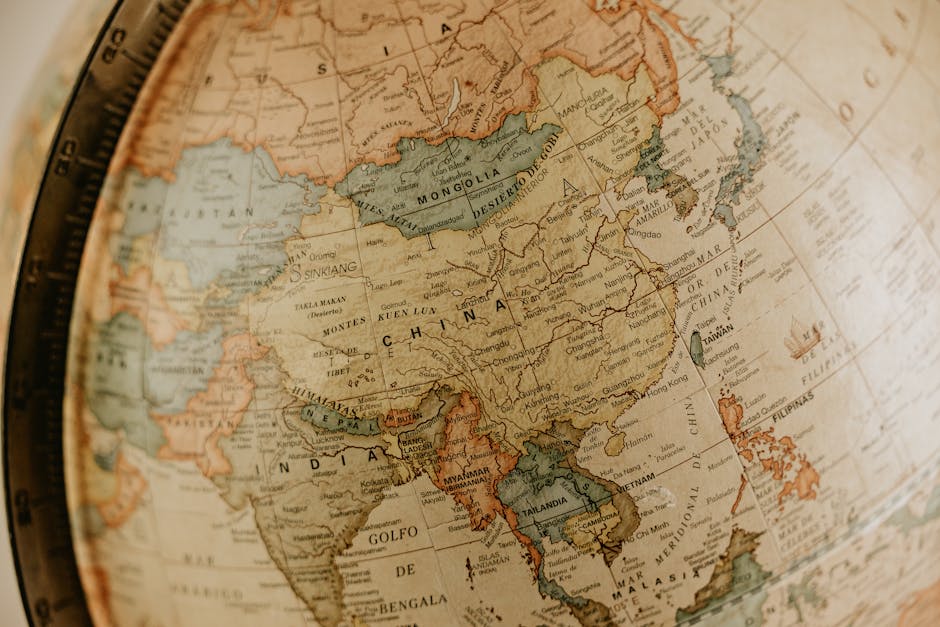
And let’s not ignore how the mainstream narrative often oversimplifies this relationship. Commentators love to tout the “axis of solidarity” between Russia and China, but this trip illustrates the complexities at play. The failure to finalize the pipeline deal reveals that while they might stand shoulder-to-shoulder in public, behind closed doors, each is calculating the best moves for its national interests.
As we digest this news, we need to ask ourselves: can Russia really afford to take China for granted? The answer may not be as reassuring as Moscow would hope. The stage is set for a drama that could unfold in ways we cannot yet predict, with both countries potentially risking more than they’re willing to admit in their dance of diplomacy.
In conclusion, while Putin may have enjoyed the warm embrace of China, he heads home with empty hands. This visit serves as a stark reminder that for all the posturing and camaraderie, the relationship between Russia and China is anything but straightforward. As the geopolitical chess game continues, both nations must tread carefully—or face the consequences of miscalculation.
Source: BBC Asia