Iran historic frames the debate here: In the high-stakes game of Middle East diplomacy, one question looms larger than the rest: can the U.S. and Iran finally strike a deal that sticks? According to CBS News, negotiators from both countries have reportedly agreed on broad principles toward a new agreement, marking a potential turning point in a relationship fraught with tension and mistrust. Yet, as former President Trump boldly claims, “time is on our side,” we must ask, whose side is time really on?
CBS reports that these negotiations come after years of escalating rhetoric and sanctions, indicating that the U.S. and Iran might be ready to step back from the brink. This shift is crucial given the region’s instability, which has been fueled by bitter conflicts and power struggles. The key players here are not just the U.S. and Iran; they include a patchwork of regional actors—Israel, Saudi Arabia, and various militant groups—who are keenly watching these developments.

The Middle East at a Crossroads
This moment couldn’t be more pivotal. The U.S. has been increasingly isolated in its hardline stance against Iran, while Tehran has shown its willingness to negotiate, perhaps buoyed by the economic consequences of sanctions and the desire to re-enter the global stage. This is a strategic pivot for both nations, signaling a potential thaw that could reshape the Middle East. However, skepticism lingers. The ghosts of past agreements—like the 2015 nuclear deal which unravelled under Trump’s administration—haunt these talks.
Adding to the complexity is the internal politics of both nations. Iran is grappling with its own political pressures, and any agreement will face scrutiny from hardliners who view compromise as a betrayal. Meanwhile, the U.S. administration must navigate a political landscape where any hint of “softness” toward Iran could spark outrage from hawkish elements within Congress and the electorate.
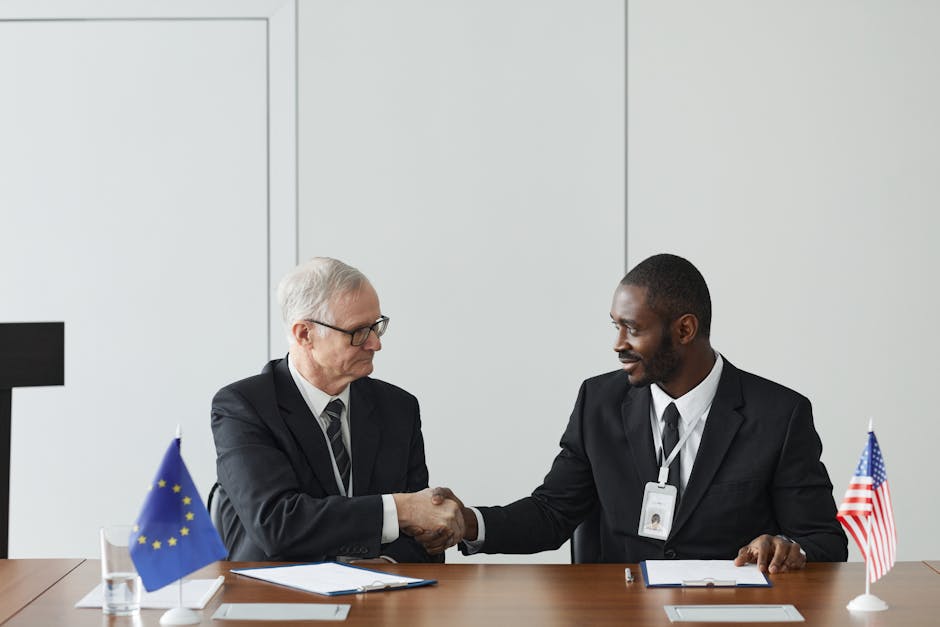
Who Wins in the Middle East?
So, who stands to gain from this renewed diplomacy? If an agreement is reached, it could herald a new era in the Middle East, one where countries are less reliant on military confrontations and more open to dialogue. This could set the stage for economic revitalization across the region, as sanctions ease and international investment flows back in. However, the losers could be those who thrive on conflict—militant groups and opportunistic political actors.
It’s crucial to recognize the stakes involved. If negotiations falter, we could see an escalation of tensions that might spiral into conflict, further destabilizing an already volatile region. The mainstream narrative often misses how intertwined these issues are. A single misstep during negotiations can trigger a cascade of consequences, putting regional stability at risk.

As we watch these developments unfold, one thing is clear: the Middle East remains a complex tapestry woven with competing interests and historic grievances. Much like a game of chess, every move matters. Will the U.S. and Iran find common ground, or will they retreat back into their corners, emboldened by the belief that time is on their side? The answer, it seems, will shape not just their futures but the very landscape of the Middle East for years to come.
That tension around Iran historic is not going away.
Source: Google — Middle East