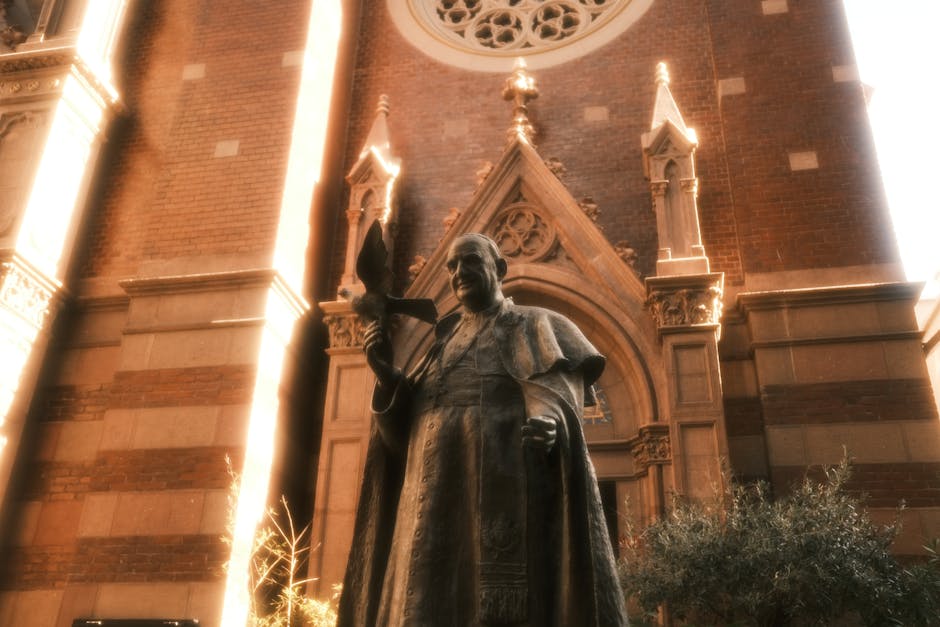
Can Pope frames the debate here: In an age defined by technology, can the Church still find its voice? Pope Leo XIV’s first encyclical, titled *Magnifica humanitas*, is set to be published on May 25, 2026, as reported by Vatican News. This document is expected to address how the Catholic Church can respond to the immense shifts caused by technology and AI, shaping its moral compass in the 21st century.
The Intersection of Technology and Faith
The timing of this encyclical couldn’t be more critical. In a world increasingly dominated by technology, the Church faces a crossroads. On one side, advancements in AI, machine learning, and digital communication are reshaping social interactions, ethical considerations, and even spiritual practices. On the other side, traditional religious frameworks often struggle to keep pace with these rapid developments. Pope Leo XIV is stepping into this complex arena with the potential to redefine how the Church views technology and its place in the moral landscape.
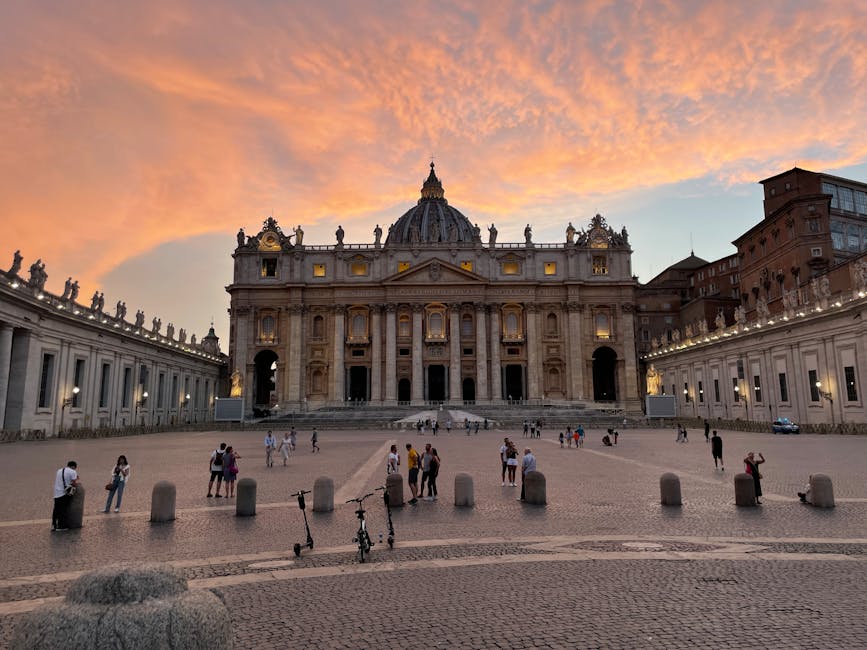
This encyclical follows a long line of papal communications that have attempted to bridge the gap between faith and modernity. The last few pontiffs have issued calls for more engagement with contemporary issues, but none have addressed technology quite as directly as this. This could be a pivotal moment for the Vatican, where the need for a more nuanced understanding of technology becomes paramount.
Navigating the Digital Divide
What does this mean for the Church? First and foremost, it poses a significant opportunity for Pope Leo XIV to reclaim relevance among younger generations, many of whom interact with faith through the lens of technology. If the Church can articulate a vision where technology serves to enhance spiritual life rather than diminish it, it could foster greater engagement and commitment. However, there’s a fine line between embracing technology and becoming a mere echo of it.
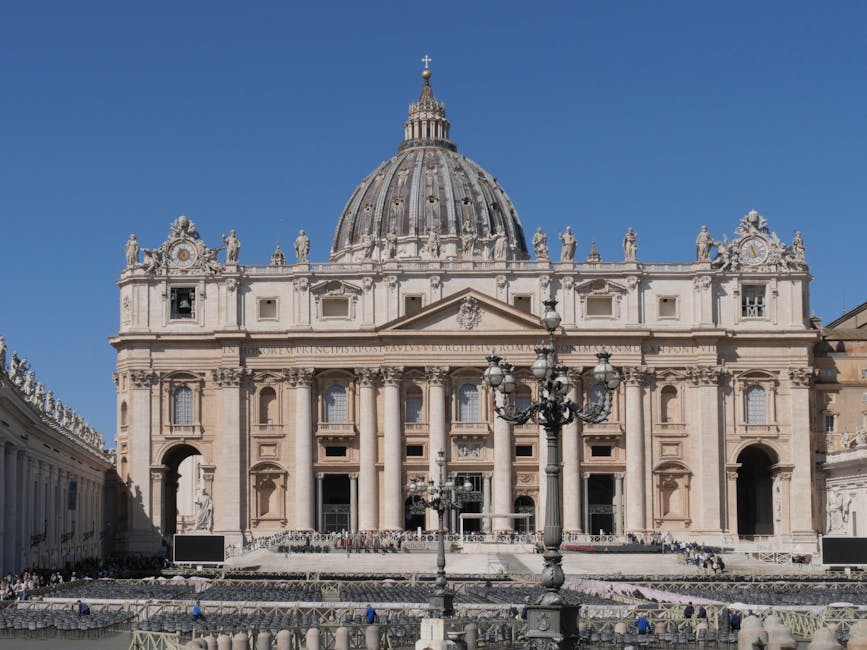
There’s a risk that the Church could fall into the trap of technology-worship instead of fostering a critical dialogue about its implications. Will this encyclical empower parishioners to navigate ethical dilemmas in a tech-driven world, or will it simply be another document lost in the digital noise?
Moreover, the broader implications extend beyond the Church itself. As technology becomes increasingly intrinsic to our lives, the moral and ethical questions surrounding it will only grow. The Church has a unique role in addressing these questions, serving as a guiding light in a time when many are struggling to find their way. What would it look like if *Magnifica humanitas* offered a pathway to a more thoughtful relationship with technology?
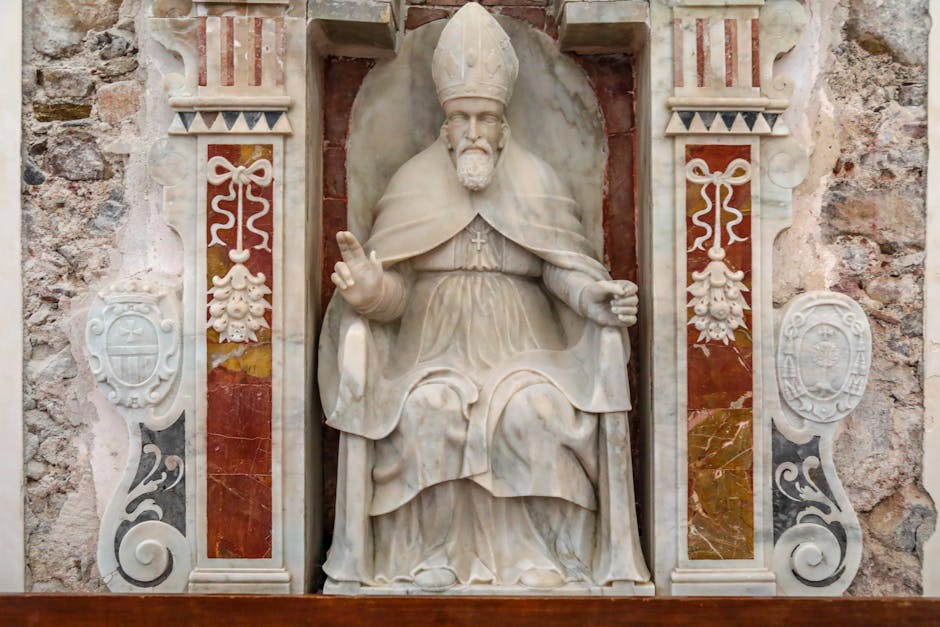
For believers and skeptics alike, the stakes are high. If Pope Leo XIV can foster a dialogue that embraces technology while advocating for human dignity, he could pave the way for a more meaningful engagement with faith in a digital age. Conversely, a failure to address the challenges posed by technology could lead to further alienation from the very people the Church seeks to serve.
As the encyclical approaches, the conversation surrounding technology and faith becomes increasingly urgent. Will Pope Leo XIV seize this moment to redefine the Church’s relationship with technology, or will it merely be another missed opportunity in an ever-evolving landscape?
In a world where technology continues to dominate our lives, the question remains: can the Church adapt, or will it become a relic of a bygone era? As we await *Magnifica humanitas*, one thing is clear — the intersection of technology and faith is not just a footnote; it could become a defining chapter.
That tension around Can Pope is not going away.
Source: Google — Technology & AI