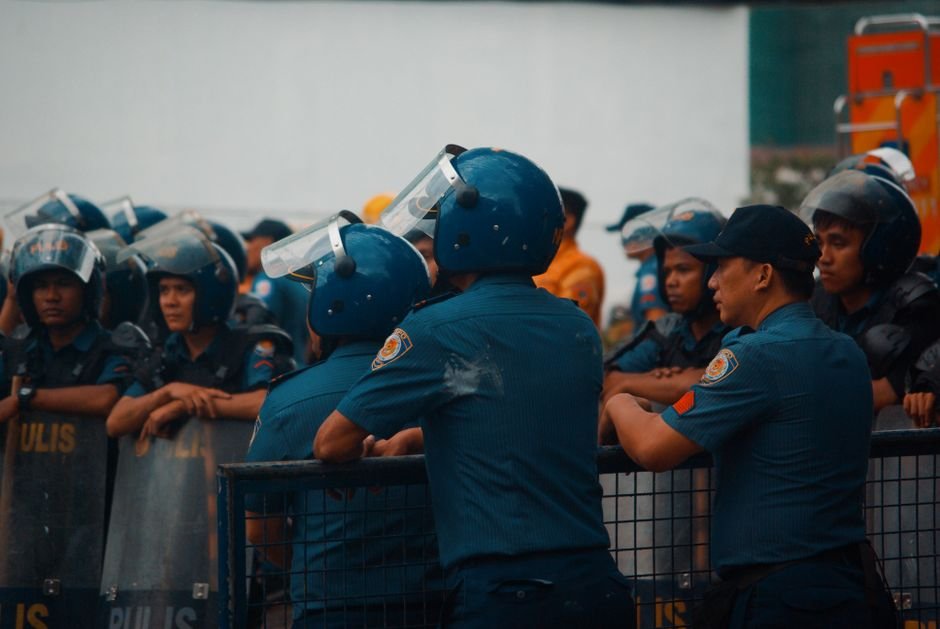
Deadly protests have ripped through the streets of Bangladesh, turning what began as a political rally for an exiled former leader into a blood‑soaked nightmare. The New York Times reports that the unrest has already claimed multiple lives, and the city’s hospitals are struggling to keep up with the influx of wounded demonstrators. This is not a distant skirmish; it is a flashpoint that could redraw the balance of power in South Asia.
According to The New York Times, crowds gathered in Dhaka and several provincial towns after the opposition figure, who fled the country last year under a cloud of corruption charges, announced a return campaign. Within hours, clashes erupted between the protestors and security forces, and live ammunition was reportedly used, sparking the deadly protests that dominate today’s headlines.
Why the Deadly Protests Matter Now
The timing of the unrest is no accident. Bangladesh’s ruling party has been riding a wave of nationalist rhetoric, positioning itself as the guardian of stability after years of economic growth and pandemic‑era strain. Meanwhile, the exiled leader’s return promise taps into deep‑seated grievances over unemployment, rural neglect, and alleged electoral tampering. As a result, the streets have become a battleground for competing visions of the nation’s future.
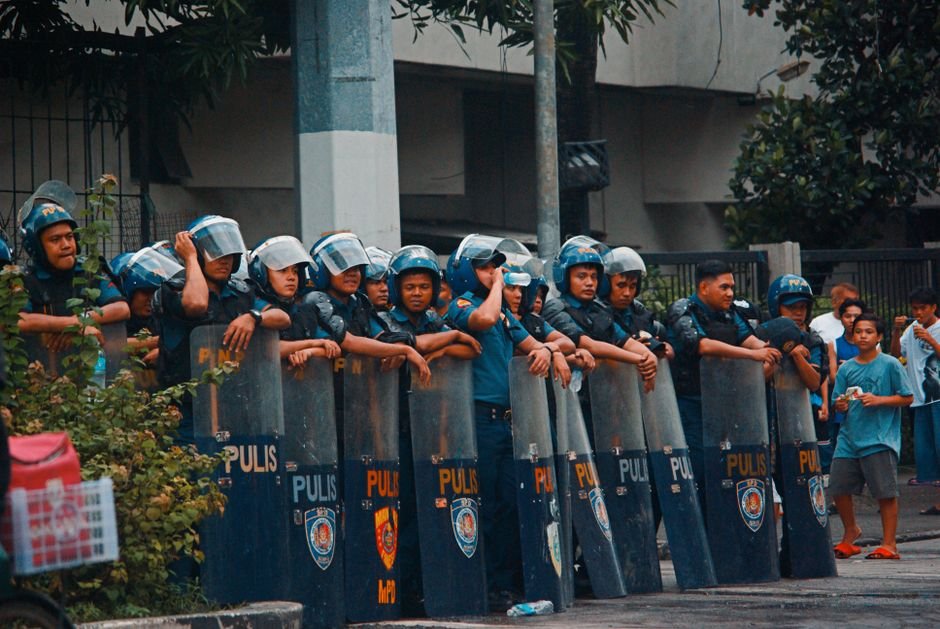
In fact, the government’s heavy‑handed response reflects a broader trend across the region, where leaders increasingly weaponize security forces to silence dissent. The use of live fire, as reported by The New York Times, signals a willingness to cross the line from crowd control to outright repression. Meanwhile, opposition groups argue that the state’s crackdown only validates their claims of an authoritarian drift.
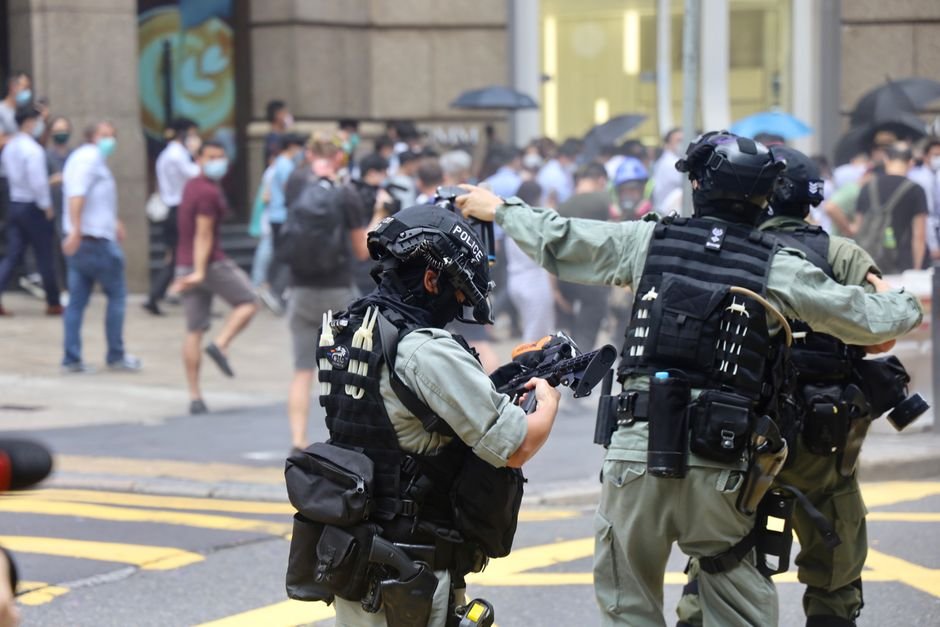
On the other hand, some analysts point out that the ruling party’s hard stance may be a calculated gamble to deter further unrest. By demonstrating that any challenge will be met with force, they hope to project an image of invincibility ahead of the upcoming parliamentary elections. Yet this strategy risks alienating a populace already weary of economic hardship and political polarization.
The Hot Take: Who Wins, Who Loses, and What Could Go Wrong
The immediate winner of the deadly protests is, paradoxically, the opposition’s media narrative. Every headline about gunfire and casualties fuels a story of government overreach that can be amplified on social platforms, potentially rallying international attention and pressure. The regime, however, stands to lose legitimacy at home and abroad if the death toll climbs and the crackdown is deemed disproportionate.
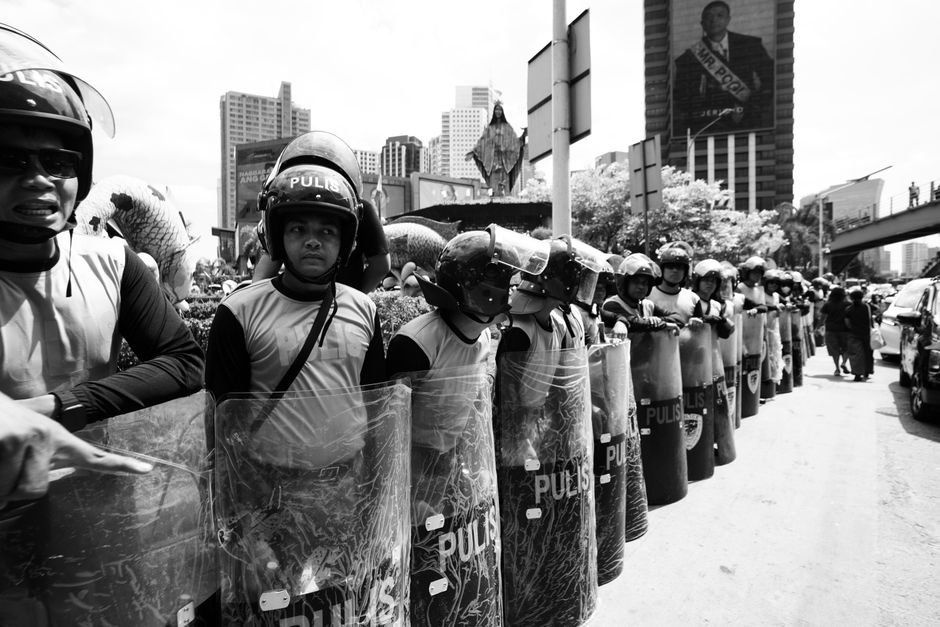
If the government doubles down, we could see a spiral of violence that drags Bangladesh into a prolonged crisis. Security forces may broaden their net, arresting not only protestors but also journalists and civil‑society actors, thereby stifling any dissenting voice. This would further erode the country’s democratic credentials and could trigger sanctions or diplomatic isolation from Western partners who are already watching South Asia’s political currents with heightened anxiety.
Conversely, a swift concession—such as granting the exiled leader a conditional return or opening a dialogue—might defuse the situation but at the cost of emboldening other opposition figures to demand similar concessions. The ruling party could then appear weak, inviting challenges from regional rivals who may seek to exploit Bangladesh’s internal discord for their own strategic ends.
What the mainstream coverage often misses is the role of Bangladesh’s youthful demographic. Over half the population is under 30, and many have never known a government that tolerates peaceful protest. The deadly protests are, in many ways, a generational litmus test: will the state adapt to a more outspoken citizenry, or will it cling to coercive tactics that risk igniting a broader uprising?
There is also a hidden economic dimension. Bangladesh’s garment industry, a linchpin of its export economy, depends on political stability to maintain supply‑chain confidence. Prolonged unrest could disrupt production, trigger order cancellations from Western retailers, and ultimately hurt the very workers the government claims to protect. In that sense, the deadly protests are not just a political flashpoint but a potential economic landmine.
Where This Leaves Bangladesh and What Comes Next
If the death toll from the deadly protests rises further, international bodies are likely to call for an independent investigation, and the United Nations may consider deploying observers. Such moves could pressure the government into a more measured response, but they could also be portrayed domestically as foreign interference—a narrative the ruling party can exploit to rally nationalist sentiment.
My prediction is stark: unless the government opens a credible channel for dialogue within the next week, Bangladesh will slip into a cycle of protest and repression that could last months, if not years. The stakes are too high for both sides to ignore. The opposition needs to translate street anger into political leverage, while the regime must decide whether to cling to force or to gamble on reform.
In a region where political violence often stays hidden behind official statements, the images of blood‑stained streets in Bangladesh force us to confront an uncomfortable truth: when governments treat dissent as a threat to be eliminated, the result is inevitably deadly protests that scar a nation’s conscience for generations. The question now is not who will win the next election, but whether Bangladesh can survive the fallout without losing its soul.
Source: Google — South Asia