Trump Bumbling frames the debate here: Is the United States finally ready to confront the tangled mess that is Middle East diplomacy? Donald Trump has stirred the pot once again, declaring that the Iran nuclear deal is not yet finalized and pledging to secure a “good and proper” agreement. But can we trust a man whose foreign policy is often dictated by tweets and ego rather than strategy?
According to NewsNation, Trump’s declaration comes amid ongoing discussions about revamping the Iran deal, which has been a hot-button issue since he withdrew the U.S. from it back in 2018. Talks remain fraught, and the timeline for any resolution is murky at best.
The Current State of Middle East Diplomacy
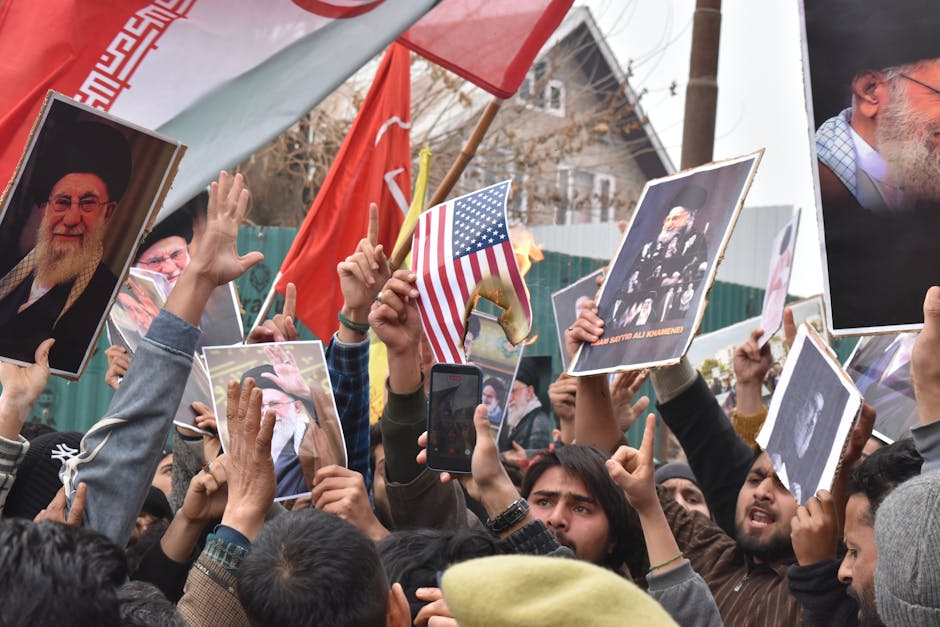
The Middle East is an ever-shifting landscape of alliances and enmities, where yesterday’s friends can become today’s foes at the blink of an eye. Trump’s approach to the Iran deal represents a broader trend of U.S. foreign policy: oscillating between aggression and negotiation while rarely achieving lasting solutions. Since pulling out of the 2015 agreement, tensions have escalated, with Iran ramping up its nuclear program, leaving an already volatile region even more precarious.
The players in this ongoing drama are numerous. Iran is adamant about protecting its sovereignty and bolstering its nuclear capabilities, while the Biden administration grapples with its legacy and the looming threat of Iran as a nuclear power. The Gulf nations, including Saudi Arabia and the UAE, watch with bated breath, fearing that a weak deal could embolden Tehran’s ambitions.
Analyzing Trump’s Promises on Middle East Peace
It’s hard to take Trump’s promises seriously when he insists that a “good and proper” agreement is just around the corner. Who exactly is he trying to persuade? In the past, his negotiating style has leaned heavily on bombast and bravado, often sidelining critical diplomatic norms. The stakes are high: if a deal isn’t struck soon, the U.S. risks pushing Iran closer to the nuclear threshold, thus igniting a regional arms race that could engulf the entire Middle East.
Furthermore, what happens if Trump—should he regain political power—fails to deliver on this so-called deal? Critics would claim he is repeating history, perpetually promising solutions that never materialize, while his supporters bask in the glow of his grandiose rhetoric.
The mainstream media would have us believe that Trump’s return to the political forefront could somehow change the curve of Middle Eastern diplomacy. However, a “good and proper” agreement sounds more like a comforting slogan than a concrete plan. The reality is that trust has been eroded on both sides, and any deal will require significant compromises from a regime that operates on defiance.
As the dust settles, one question looms large: can a deal be made that adheres to the complex tapestry of interests at play in the Middle East? Given the historical failures of U.S. policy in the region, it’s a daunting prospect. One thing is certain—Trump’s latest rhetoric is just another chapter in an ongoing saga filled with empty promises and political theater.
If we’re truly seeking stability in the Middle East, we need more than bluster; we need a serious, sustained commitment to diplomacy—something that still seems far from Trump’s understanding of “good and proper.” As we move forward, let’s hope for more than just a flashy headline and less of the same old rhetoric. The stakes are too high for the Middle East, and the world is watching.
That tension around Trump trumps is not going away.
Observers say Trump trumps will shape the debate for months.
That tension around Trump Bumbling is not going away.
Source: Google — Middle East