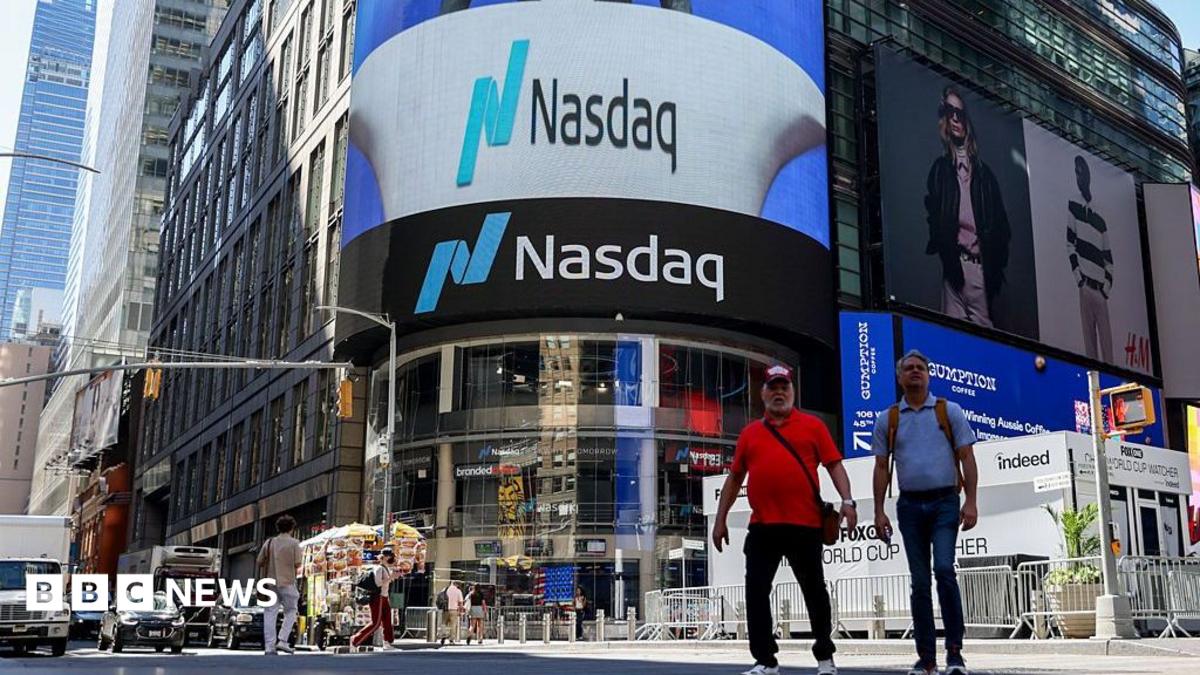
Artificial intelligence has become the new market barometer, and the moment it flickers, Wall Street shivers. The tech‑heavy Nasdaq opened this Monday at its lowest point in more than two months, while Intel’s shares kept sliding, a clear signal that investors are nervous about the next wave of AI spending that is edging toward a trillion‑dollar bill.
According to the BBC, Intel’s stock continued its decline on Friday, and the Nasdaq’s opening dip was the steepest since August. Those numbers are not just a blip; they echo a broader hesitation as companies grapple with ever‑higher AI budgets and uncertain returns.

Artificial intelligence and the market reset
The rush to pour money into artificial intelligence has been relentless. Over the past year, chip makers, cloud providers and software firms have announced multi‑billion‑dollar projects to train ever‑larger models. In theory, that surge should lift the entire tech sector, but the reality is a different story. Investors are now confronting the fact that the promised productivity gains may arrive slower than the cash outflows.
One reason for the pull‑back is the looming “AI spending ceiling” that analysts estimate will soon hit $1 trillion. When a sector’s capital appetite reaches that scale, even modest setbacks can trigger sharp sell‑offs. Intel, which has been banking on AI‑centric chips to revive its fortunes, is feeling the pressure as its latest earnings failed to convince the market that the gamble is paying off.

Meanwhile, the political backdrop adds another layer of complexity. Over the weekend, US lawmakers debated the need for tighter AI regulation, warning that unchecked development could threaten national security. Across the Atlantic, UK ministers hinted at a new tech strategy that could reshape funding for AI research. Those conversations matter because policy shifts can alter the cost of compliance and the speed at which new models reach the market, directly affecting profit margins for the very firms that dominate the Nasdaq.
Hot take: Who really wins when artificial intelligence spending hits $1 trillion?
The obvious answer is that AI pioneers will reap massive rewards, but the market’s recent tremor suggests the upside is not guaranteed. Winners are likely to be the entrenched hardware giants that already own the manufacturing capacity to churn out AI‑optimized silicon. Companies like Nvidia and AMD, with deep supply chains and proven performance, stand to capture the lion’s share of the next wave of demand.

Losers, however, are the over‑leveraged challengers that have rushed to claim a slice of the AI pie without a clear path to profitability. Intel’s continued slide illustrates how a single miss can erode confidence in an entire business model. As investors become more discerning, they will favor firms that can demonstrate tangible revenue growth rather than speculative hype.
The broader market also risks a feedback loop of anxiety. If policymakers impose stricter rules, compliance costs could rise, squeezing margins further. Conversely, a lax regulatory environment could spark a frenzy of spending that inflates valuations beyond realistic earnings, setting the stage for a harsher correction later. The mainstream narrative often celebrates AI as an unstoppable force, but it conveniently glosses over the capital intensity and the regulatory headwinds that could stall progress.
Critics might argue that the market is simply overreacting to short‑term volatility and that the AI boom will smooth out the bumps. That view has merit; history shows technology cycles eventually stabilize. Yet the current data point—Nasdaq’s lowest opening in two months—should not be dismissed as a fleeting anomaly. It is a symptom of deeper uncertainty about whether the AI spenders can deliver on their lofty promises without tripping over fiscal constraints or political roadblocks.
In the end, the real story is not just about how much money pours into artificial intelligence, but about who can turn that spending into sustainable growth. Companies that blend cutting‑edge research with disciplined financial management will likely emerge as the true beneficiaries, while the rest may find themselves caught in a wave that recedes faster than expected.
The market’s reaction this week is a cautionary reminder that hype alone cannot sustain a trillion‑dollar AI rush. Investors, regulators and CEOs must all reckon with the fact that massive spending does not automatically translate into massive returns. As the Nasdaq steadies after today’s dip, the question remains: will the AI giants ride out the turbulence, or will they be swept aside by a reality check that the era of limitless growth has finally met its limits?
Source: BBC Technology