
The moment you hear “artificial intelligence” paired with “radiology,” you either picture a futuristic clinic where machines whisper diagnoses or a dystopian nightmare where doctors are rendered obsolete. Either way, the debate is no longer theoretical – a new systematic review in *Cureus* forces the conversation into the operating room.
According to the review, dozens of studies comparing AI algorithms to human radiologists were pooled to assess both diagnostic accuracy and workflow speed. The authors report that artificial intelligence matched or even outperformed human interpretation on several imaging tasks, while simultaneously shaving minutes off the reading process.
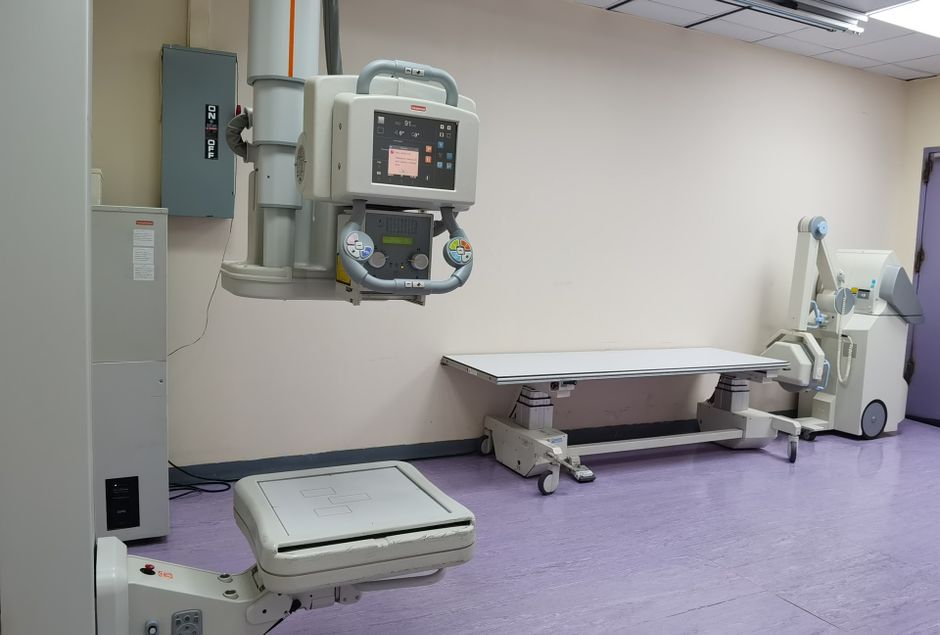
Why artificial intelligence in radiology matters now
The timing could not be more political. Over the weekend, the UK Parliament’s Health Committee held a heated session on the NHS’s AI strategy, demanding clearer accountability and funding safeguards. Across the Atlantic, the US Senate’s Health, Education, Labor, and Pensions Committee scheduled a hearing on the FDA’s fast‑track approvals for AI‑driven diagnostic tools. Both sides of the pond are wrestling with the same paradox: the promise of faster, more accurate care versus the risk of eroding professional standards and patient trust.
The systematic review underscores why policymakers should sit up. It shows that artificial intelligence is not a gimmick; it can reliably detect lung nodules, breast lesions, and even subtle strokes that sometimes slip past even seasoned eyes. At the same time, the efficiency gains—fewer bottlenecks in busy emergency departments, reduced backlog for elective scans—could alleviate the chronic staffing shortages that have plagued radiology departments for years. In short, AI is poised to become a lever for both clinical excellence and cost containment.
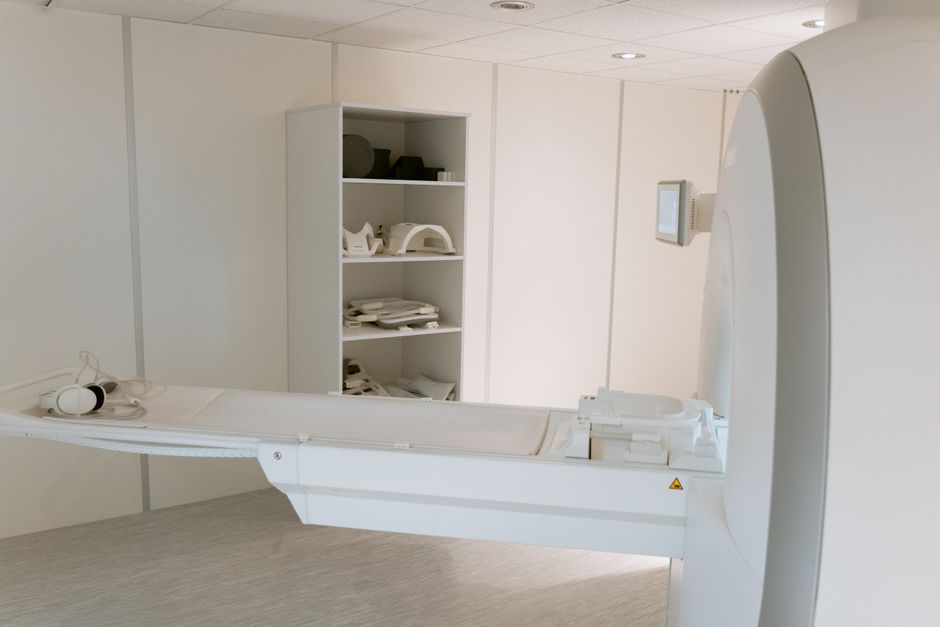
Yet the review also flags a crucial caveat: most studies were conducted in controlled environments with curated datasets. Real‑world hospitals grapple with messy images, diverse patient populations, and the inevitable software glitches that no peer‑reviewed paper can fully anticipate. The political momentum in London and Washington, therefore, must translate into robust regulatory frameworks that demand transparency, continuous monitoring, and clear pathways for clinicians to override algorithmic suggestions when necessary.
The hot take: AI will reshape radiology, but the winners are not who you think
The mainstream narrative celebrates AI as a hero that will free radiologists from repetitive reads, allowing them to focus on complex cases and patient interaction. In reality, the technology will likely consolidate power in the hands of large tech firms and hospital networks that can afford the steep upfront costs of integration. Small community hospitals, already strapped for cash, may be forced to outsource image interpretation to cloud‑based AI platforms, further marginalizing local expertise.
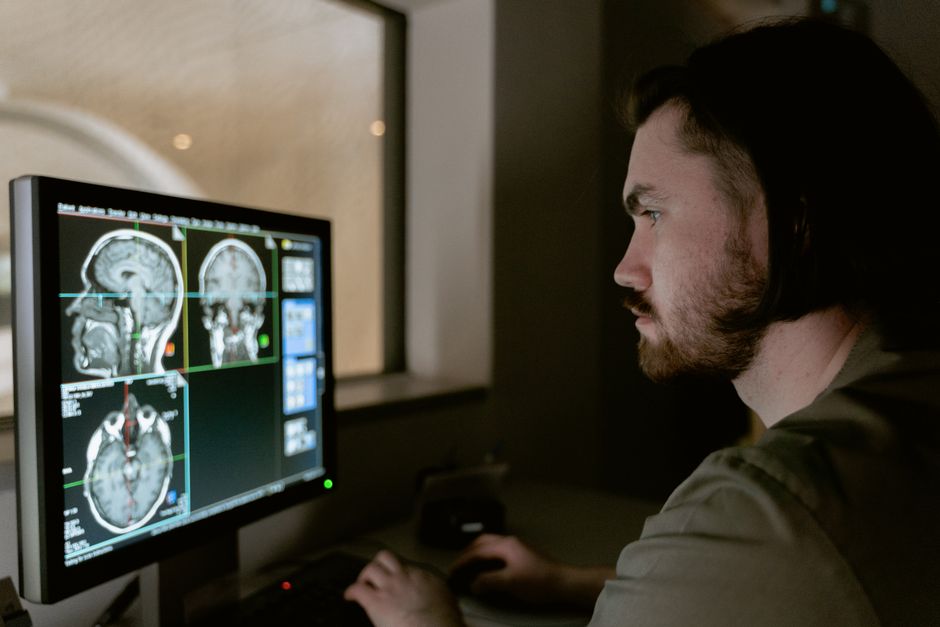
Moreover, the review’s optimism about diagnostic parity glosses over a subtle but profound shift: AI’s “black‑box” decisions can erode the radiologist’s role as the ultimate arbiter of truth. When an algorithm flags a finding with a 99% confidence score, clinicians may feel compelled to trust it, even if it contradicts their own judgment. This dynamic could diminish professional autonomy and, paradoxically, increase liability if AI errors go unnoticed.
Politically, the weekend’s legislative moves expose a double‑edged sword. The UK’s push for a national AI framework could democratize access, but only if funding follows the rhetoric. The US Senate’s focus on fast‑track approvals risks bypassing rigorous post‑market surveillance, opening the door for premature deployment in high‑stakes settings. Both approaches risk creating a regulatory gap where profit motives outweigh patient safety.
That said, the review does highlight a genuine upside: AI can act as a safety net, catching anomalies that human eyes miss during high‑volume shifts. If integrated thoughtfully—paired with mandatory double‑reading protocols and continuous performance audits—artificial intelligence could become an indispensable colleague rather than a replacement. The key will be to embed ethical guardrails that preserve the radiologist’s expertise while leveraging AI’s speed.
In the end, the battlefield will be less about machines versus doctors and more about who controls the data, the algorithms, and the reimbursement models. As the UK and US grapple with legislation this week, the decisions made in Westminster and Capitol Hill will set the tone for whether AI serves as a catalyst for equitable healthcare or a tool that widens existing gaps.
If the current trajectory holds, we will soon see a hybrid model where AI handles the bulk of routine scans, while a dwindling cadre of highly trained radiologists becomes the elite “interpreters‑in‑chief,” consulted only for the most ambiguous cases. The question remains: will that elite be a beacon of better care, or a monopoly that prices out the very patients it claims to help?
Source: Google — Technology & AI