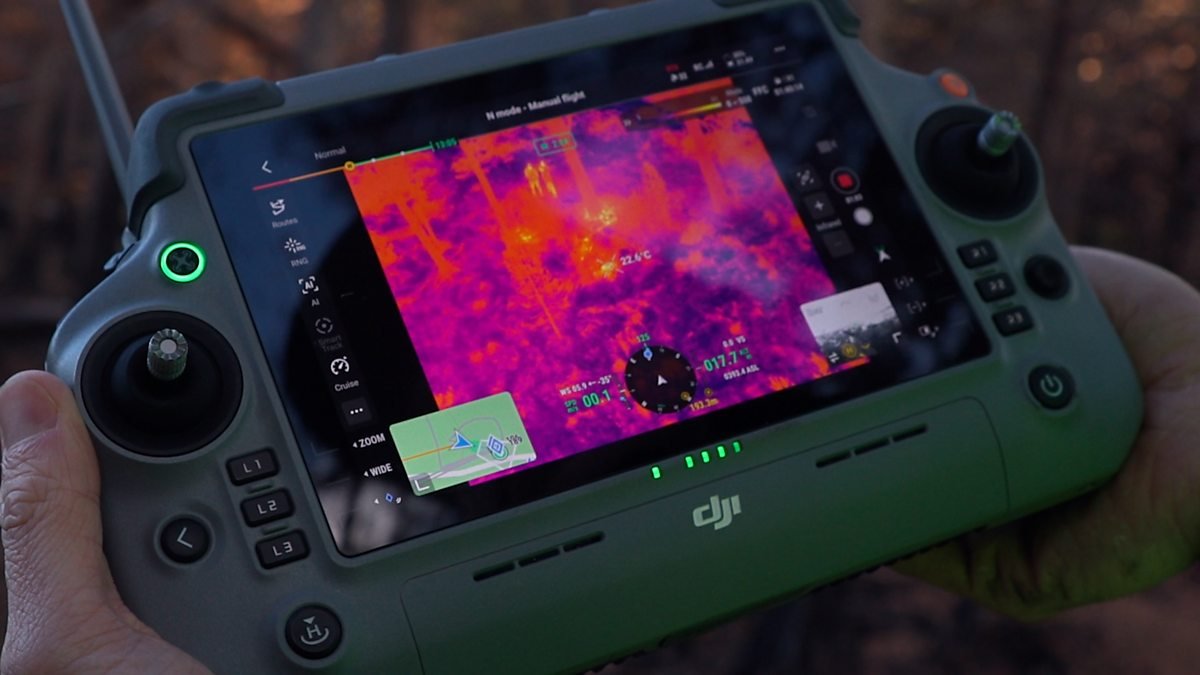
Tech Now isn’t just a slogan on a glossy brochure – it’s the headline of a quiet, high‑altitude experiment that could reshape how we fight wildfires. When BBC’s Shiona McCallum trekked into Scotland’s Cairngorms National Park last week, she wasn’t chasing scenery; she was checking on a fleet of drones and satellite‑linked sensors that claim to spot a blaze before the smoke even curls upward.
According to a BBC Technology report, the field visit showcased a prototype system that blends AI‑driven image analysis with real‑time climate data to map fire‑prone zones and flag early ignition points. The pilot, funded by a coalition of university researchers and a private tech firm, has already logged several “near‑miss” detections during the current dry spell.

Tech Now in the Highlands: Why It Matters
The relevance of this experiment is amplified by a perfect storm of factors. Climate change has pushed Scotland’s once‑mellow hills into a tinderbox, with summer temperatures hitting record highs and lightning strikes becoming more frequent. At the same time, the UK government has pledged to cut greenhouse gases while simultaneously demanding better emergency response tools. The Cairngorms project lands squarely at the intersection of those pressures, promising a data‑rich early‑warning network that could give fire crews precious minutes – minutes that often decide whether a blaze stays contained or erupts into a disaster.
The technology itself isn’t brand‑new; satellite imaging and drone surveillance have been used in agriculture for years. What’s novel is the integration of machine‑learning algorithms that can differentiate a smoldering peat fire from a harmless heat signature, and the deployment of edge‑computing nodes that process data on the spot, bypassing the latency of cloud servers. In theory, the system can alert park rangers, local authorities, and even nearby hikers via a dedicated app, turning a passive landscape into an active, self‑monitoring entity.
Yet the rollout also raises questions about jurisdiction and data ownership. The Cairngorms span multiple council areas, each with its own emergency services protocol. Who decides which alerts trigger a full‑scale response? Moreover, the sensors collect continuous environmental data that could be repurposed for commercial farming or even surveillance, blurring the line between public safety and private profit. Those concerns are not merely speculative – they echo the broader debate over AI ethics that has haunted governments across Europe.
The Real Stakes of AI‑Driven Fire Monitoring
If the pilot succeeds, the winners are clear: ecosystems, tourism operators, and rural communities stand to gain a shield against a threat that has already forced evacuations in Spain, Greece, and even the UK’s own New Forest. A reliable early‑warning system could preserve centuries‑old pine forests, protect wildlife corridors, and keep the summer hiking season profitable for local businesses. On the flip side, the losers may be the entrenched bureaucracy that prefers traditional, slower‑moving detection methods, as well as any tech firms that hope to monetize the data without transparent licensing agreements.

However, the hype must be tempered with realism. AI models are only as good as the data they train on, and the high‑altitude, low‑light conditions of the Scottish Highlands pose a unique challenge. False positives could desensitize responders, leading to “alert fatigue” where genuine threats are ignored. Conversely, false negatives – missed detections – could erode public trust faster than any successful alert. The pilot’s limited geographic scope also means it has yet to prove scalability; rolling the system out across the UK’s 15 national parks would demand billions in infrastructure and coordination.
Mainstream coverage tends to celebrate the sleek drones and glossy dashboards while glossing over the ethical tightrope. What’s missing is a hard look at how such surveillance could be weaponized or how it might shift liability onto local authorities when an algorithm fails. The conversation needs to move beyond “cool tech” to a rigorous assessment of governance, accountability, and long‑term sustainability. As the BBC piece notes, the current trial is still in its infancy, and the next year will reveal whether the system can survive real‑world pressure without becoming a costly vanity project.
Tech Now, in this context, is a litmus test for how quickly society can adopt AI for public good without surrendering oversight. The Cairngorms experiment could become a blueprint for climate‑resilient infrastructure, or a cautionary tale of techno‑optimism run amok. Either way, the weekend field trip that Shiona McCallum documented is a reminder that the battle against wildfires is no longer fought solely with water and hoses; it now involves algorithms humming in the clouds and drones buzzing over ancient hills.
If the early data proves reliable, we may soon see fire‑watch dashboards on every smartphone in the Highlands, and perhaps even a national “Tech Now” alert system that triggers before the first ember flickers. If not, the project will join a long list of well‑intentioned pilots that fizzled under the weight of bureaucracy and misplaced expectations. The question remains: will policymakers let the promise of Tech Now become a permanent fixture in our emergency toolkit, or will they let it fade into another forgotten experiment as the next heatwave rolls in?
Source: BBC Technology