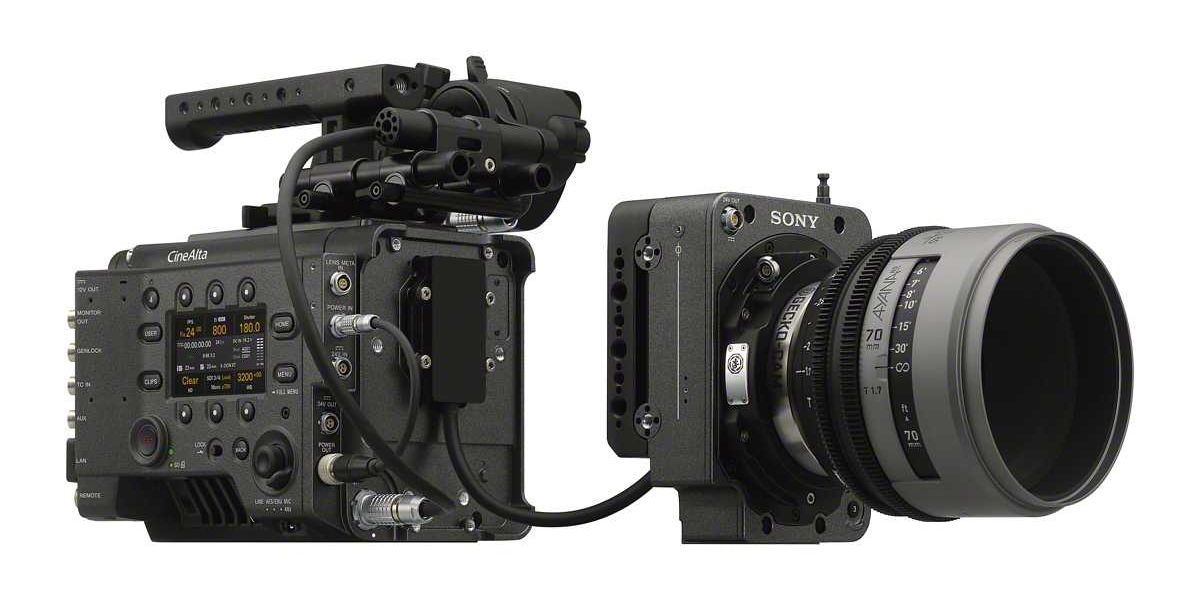
Sony is finally giving the cine‑world a concrete date for its long‑promised RIALTO 65 Camera Extension System, and the news feels less like a product rollout and more like a runway debut for the next generation of visual fashion. The brand‑heavy moniker alone—RIALTO—evokes the plush velvet ropes of old‑world theatres, while the promised 65 mm format promises a look so lush it could double as a style statement for directors who want their frames to wear the same couture as their subjects.
According to No Film School, Sony announced the RIALTO 65 in June, but left the market guessing when the hardware would actually arrive. The latest update pins the launch in the first half of 2027, confirming that the extension will turn the VENICE 2 CineAlta camera into a full‑frame 65 mm beast. The system will add a larger sensor module, new lens mount adapters, and a suite of ergonomic accessories designed to keep the rig lightweight enough for handheld work while delivering the cinematic depth of field that has become the visual shorthand for “epic” in today’s streaming wars.
Sony’s RIALTO 65: A Style Upgrade for Cinematography
The timing of this announcement is no accident. In a year where high‑budget series are battling for visual supremacy on platforms that market themselves as the new “fashion magazines of the screen,” a 65 mm look has become the equivalent of a designer suit—immediately recognizable, instantly aspirational, and costly enough to separate the serious from the pretenders. Sony’s decision to push a 65 mm extension onto the VENICE 2 signals that the company is betting on this visual couture to become the standard for premium storytelling.
Why does this matter now? The pandemic‑era boom in streaming content has flooded the market with mid‑range productions that rely heavily on 35 mm or even 4K sensor formats. Yet the most talked‑about titles—think “The Crown” or “House of the Dragon”—continue to flaunt the shallow focus and buttery bokeh that only a larger sensor can deliver. Directors and cinematographers have begun treating sensor size as a wardrobe choice, selecting gear that matches the narrative tone as carefully as they choose costume designers. By offering a plug‑in that upgrades an already popular camera, Sony is giving creators a quick way to dress their images in the most opulent “fabric” without a full system overhaul.
The RIALTO 65 also arrives at a moment when the industry’s appetite for sustainability is growing louder. Sony’s engineering team claims the extension uses recycled aluminum and a modular design that reduces waste compared to buying an entirely new 65 mm camera body. In the same way that fashion houses tout “slow fashion” to justify higher price points, Sony is positioning the RIALTO 65 as a premium, yet environmentally conscious, choice for the elite visual stylist.
Hot Take: Who Wins, Who Loses, and What the Mainstream Is Overlooking
Sony’s move will undoubtedly please a select cadre of high‑end directors who crave the cinematic gravitas that 65 mm offers, but it also risks widening the gap between boutique productions and the vast middle tier that now dominates streaming. The immediate winner is Sony itself—its brand equity gets a fresh infusion of hype, and the company locks in a lucrative niche that can command premium pricing for accessories, lenses, and service contracts. Cinematographers who have already invested in the VENICE 2 ecosystem will feel a sense of relief, as the upgrade path avoids the dreaded “obsolescence” penalty that haunts many camera owners.

On the losing side, smaller indie crews may feel the pressure to chase a visual aesthetic that is increasingly out of reach. The RIALTO 65’s price tag, while not disclosed, is expected to sit comfortably in the six‑figure range once accessories and lenses are added. For a world where a $10,000 DSLR can now produce respectable 4K footage, the new system could be viewed as an ostentatious status symbol—a visual “designer label” that signals “I can afford to waste film‑stock on a single shot.” This dynamic may force festivals and distributors to re‑evaluate judging criteria that currently favor story over spectacle, inadvertently privileging those who can afford Sony’s sartorial upgrade.
What mainstream coverage is missing is the cultural ripple effect of turning sensor size into a fashion statement. The conversation is still framed around “image quality” and “depth of field,” but the underlying narrative is about identity and belonging. In the same way that streetwear brands have turned sneakers into social capital, Sony’s RIALTO 65 could turn the act of shooting a scene into a badge of cultural cachet. Directors who adopt the system may find their work automatically associated with a certain elite aesthetic, influencing everything from award nominations to advertising rates. Conversely, filmmakers who reject the 65 mm look might be labeled as “retro” or “budget‑conscious,” a stigma that could affect financing in an industry where visual polish often equates to marketability.
There is also a geopolitical angle. As Chinese manufacturers push increasingly capable full‑frame cinema cameras at lower prices, Sony’s decision to double down on a premium, high‑cost extension could be read as a defensive posture—asserting that the market for “luxury” cinema gear is still viable. If the RIALTO 65 fails to capture the imagination of the creative class, Sony could be left defending an expensive niche while competitors steal market share with more affordable alternatives.
Nevertheless, the risk might be calculated. The 65 mm format has a storied legacy—think Panavision’s iconic lenses that defined the look of classic Hollywood. By attaching that heritage to a modern, modular system, Sony is not merely selling hardware; it is selling a story of continuity, prestige, and artistic ambition. If the rollout includes high‑profile collaborations—perhaps a fashion‑forward music video or a luxury brand’s cinematic ad—Sony could cement the RIALTO 65 as the new “must‑have” accessory, just as a limited‑edition handbag becomes a collector’s item.
In the end, the RIALTO 65 may not revolutionize filmmaking the way digital sensors did a decade ago, but it will certainly reshape the cultural hierarchy of visual tools. Sony is betting that the allure of a larger format will be enough to persuade creators to splurge, and that the resulting aesthetic will become as synonymous with high‑end storytelling as a designer suit is with power dressing.
The real question isn’t whether the RIALTO 65 delivers on its technical promises; it’s whether the industry will let a piece of hardware dictate style, status, and perhaps even the future of visual storytelling. If Sony’s gamble pays off, the next decade of cinema could look less like an evolution of technology and more like a runway show—where every frame is a fashion statement, and every director is a stylist in their own right.
Source: NewsAPI:q