
Bangladesh is suddenly the hottest sandbox for donors who think the old playbook of grants and loans is obsolete. The Atlantic Council’s latest deep‑dive warns that the country’s development assistance landscape is morphing faster than any bureaucracy can keep up, and the headline‑grabbing buzz around AI and digital platforms is only the tip of a much larger iceberg.
According to the Atlantic Council, Bangladesh’s aid environment is no longer dominated solely by traditional Western donors. Instead, a mosaic of new financiers—private‑sector investors, regional powers, and tech‑driven platforms—has entered the field, each bringing its own playbook and expectations. The report maps these “manifestations, implications, and opportunities” without pretending the shift is smooth or universally welcomed.

Bangladesh’s shifting development assistance landscape
The first thing the Atlantic Council makes clear is that the change is structural, not cosmetic. Decades of reliance on concessional loans from the World Bank and bilateral aid from Europe have given way to a more eclectic mix that includes Chinese infrastructure financing, Gulf sovereign wealth funds, and venture capital targeting clean‑energy start‑ups. This diversification, the report argues, is both a symptom and a catalyst of Bangladesh’s growing economic clout.
Why does this matter now? Bangladesh’s GDP has been expanding at a double‑digit pace for several years, lifting millions out of poverty and turning the nation into a regional manufacturing hub. That growth has attracted investors who see the country as a gateway to South‑Asia’s 1.8 billion‑person market. At the same time, climate‑change pressures are intensifying; the nation sits on the front line of rising sea levels and extreme weather, prompting donors to tie financing to resilience outcomes. The Atlantic Council notes that these twin forces—economic dynamism and environmental vulnerability—are forcing donors to rethink how they allocate resources.

The report also flags a cultural shift among Bangladesh’s own policymakers. Rather than passively receiving aid, ministries are now demanding data‑driven results, insisting on transparency, and even co‑creating funding mechanisms with private partners. This newfound assertiveness is reshaping power dynamics, making Bangladesh less of a passive recipient and more of an active architect of its development trajectory.
Tech, AI, and the new aid frontier
If the financing mix is the visible layer, technology is the hidden engine that could either accelerate progress or deepen inequality. The Atlantic Council points to a surge in AI‑enabled project monitoring, blockchain‑based disbursement systems, and digital platforms that match donors with local innovators. In theory, these tools promise precision: real‑time impact tracking, reduced corruption, and faster fund flows. In practice, the report cautions, they also introduce new vulnerabilities.
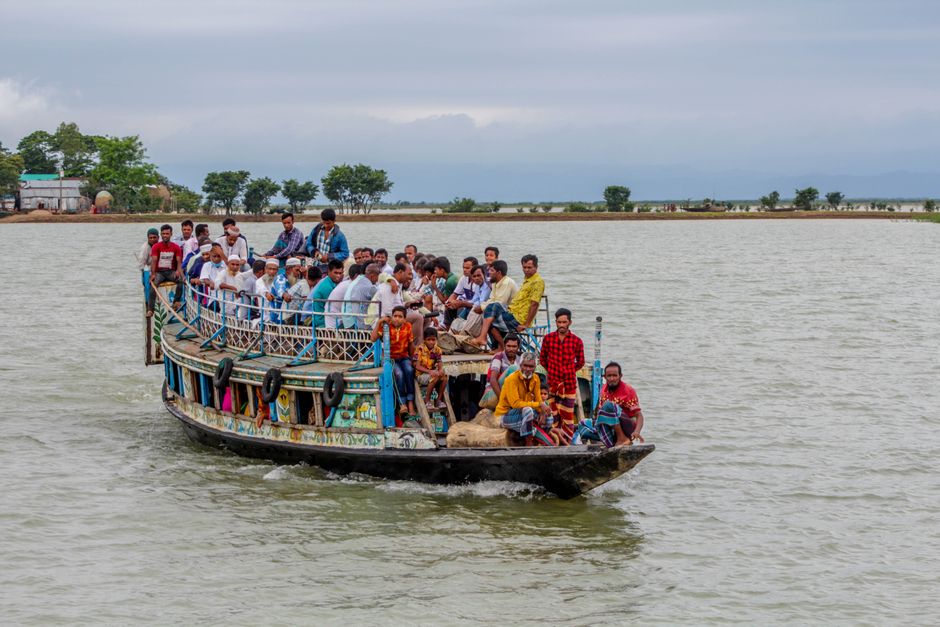
First, AI models trained on Western data sets can misinterpret local contexts, leading to misallocation of resources. A pilot AI‑driven flood‑risk assessment in the delta region, for example, might underestimate the impact of informal settlements because the training data ignored them. The Atlantic Council warns that without locally sourced data and robust oversight, technology could reinforce the very blind spots it claims to fix.
Second, the rise of private fintech firms in Bangladesh’s aid ecosystem raises questions about profit motives. While digital wallets and mobile money have expanded financial inclusion, they also generate valuable user data that can be monetized. The report suggests that donors must negotiate data‑sharing agreements that protect citizen privacy, lest development assistance become a Trojan horse for commercial exploitation.
Third, the push for AI‑powered outcomes is reshaping how success is measured. Traditional development metrics—like school enrollment or road kilometres—are being supplanted by algorithmic indicators such as “digital engagement scores” or “predictive poverty indices.” The Atlantic Council argues that this shift can marginalize communities that lack digital footprints, effectively writing them out of the development narrative.
Nonetheless, the report does not dismiss technology outright. It highlights promising pilots where AI is used to optimize solar‑panel placement in off‑grid villages, cutting costs by 15 percent and accelerating rollout. It also notes that blockchain‑based supply‑chain tracking has reduced leakages in agricultural aid programs, delivering more seed to farmers who need it. These examples illustrate that, when paired with strong governance, tech can be a force multiplier for Bangladesh’s development agenda.
The mainstream conversation often celebrates the influx of capital and the allure of high‑tech solutions, but the Atlantic Council insists that the real story is about power. Who decides which AI model gets deployed? Who owns the data generated by digital platforms? Who profits when a private equity fund backs a climate‑resilient infrastructure project? The answers will determine whether Bangladesh’s development assistance becomes a lever for inclusive growth or a conduit for external agendas.
In the final analysis, the country stands at a crossroads. The diversification of financing offers a hedge against donor fatigue and opens doors to innovative projects that could leapfrog traditional development stages. Yet the same diversification threatens to dilute accountability, especially when opaque private actors and algorithmic decision‑making enter the mix. The Atlantic Council’s deep dive makes it clear: Bangladesh must seize the negotiating table, embed robust data‑governance frameworks, and demand that technology serve as a transparent tool rather than a black box.
If Bangladesh can master this balancing act, it may well become the template for how emerging economies harness the twin engines of capital and code. If it falters, the nation risks trading its development gains for a new form of dependency—one measured not in dollars alone, but in data points and algorithmic verdicts. The question isn’t whether the aid landscape will change; it’s whether Bangladesh can shape the change on its own terms.
Source: Google — South Asia