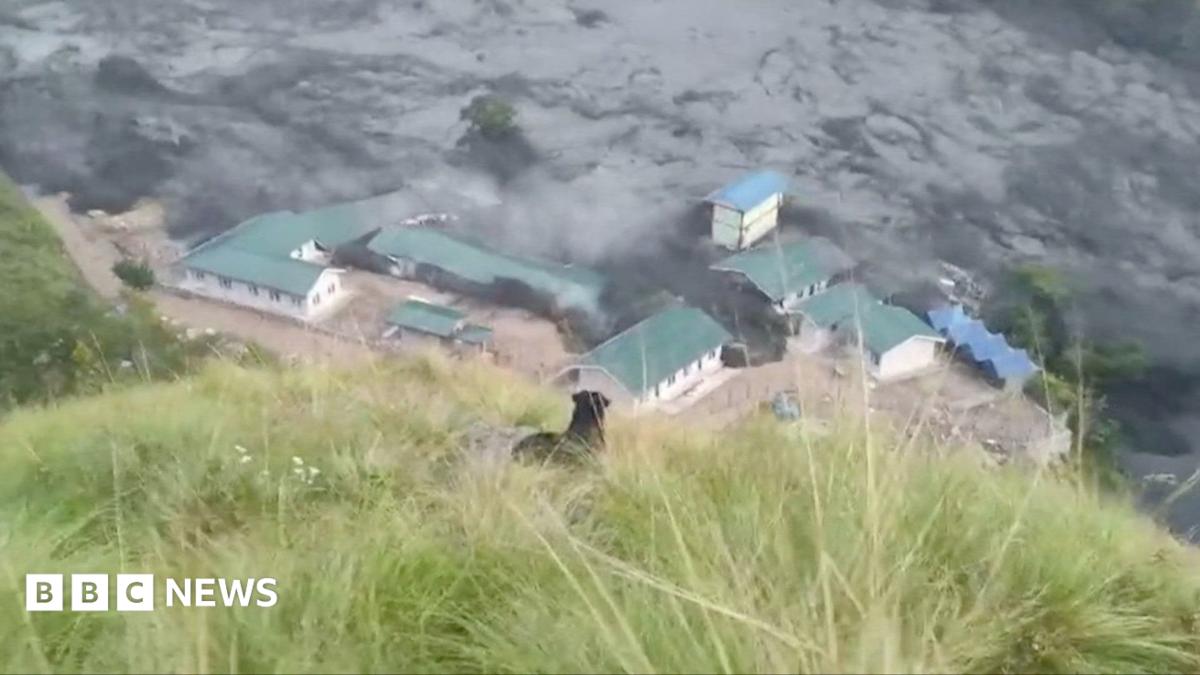
Homes are disappearing under water faster than any government can rebuild, and Nepal’s latest flood season proves that the country’s infrastructure is as fragile as the mud‑caked roofs it once sheltered. The fresh deluge that slammed into the Himalayan nation this week has already swept away entire villages, toppled bridges, and left thousands scrambling for shelter. According to BBC Asia, the new torrent follows a catastrophic monsoon two months earlier that claimed thousands of lives and left countless families without a place to call their own.
The latest onslaught has ripped through the Terai plains, where low‑lying farms and densely packed settlements are most vulnerable. Satellite images show swathes of arable land turned into raging rivers, while locals describe how entire rows of homes were ripped from their foundations and carried downstream. Relief teams, still reeling from the earlier disaster, are now forced to divide scarce supplies between the newly displaced and those still trying to salvage what remains of their ruined houses.

Homes in the Balance: The Human Toll of Nepal’s Floods
The tragedy is not merely a story of water and wind; it is a crisis of habitation, of people being stripped of the very structures that define safety and dignity. The first wave of floods in August left an estimated 1.2 million people without homes, according to the United Nations. Those numbers have ballooned again as fresh rains inundated the same regions, forcing families to seek refuge in makeshift camps that are already bursting at the seams. The loss of homes translates directly into a loss of livelihood, as many of these families depend on the small plots of land attached to their houses for subsistence farming.
Why does this matter now more than ever? Nepal sits at a geopolitical crossroads, balancing ties with China to the north and India to the south. Both neighbors have pledged aid, but the assistance has often been filtered through bureaucratic red tape that slows delivery to the most affected districts. Meanwhile, climate scientists warn that the monsoon season is becoming increasingly erratic, a trend that could turn these “once‑in‑a‑generation” floods into an annual nightmare. The country’s fragile road network, already compromised by the earlier disaster, is being further eroded, making it harder for aid convoys to reach isolated hamlets where homes have been completely washed away.

The political fallout is equally stark. The ruling Nepali Congress party has faced criticism for its slow response to the first disaster, and opposition parties are now seizing on the new floods to demand a national emergency declaration. Yet, the government’s narrative emphasizes resilience and community spirit, urging citizens to “rebuild stronger.” While that rhetoric sounds noble, it glosses over the stark reality that many families simply cannot afford to reconstruct homes that have been demolished for the second time in less than a year.
Why the International Community Is Missing the Mark
The global response has been a mixture of well‑intentioned donations and hollow promises. International NGOs have dispatched emergency kits, but the bulk of aid is still being channeled through UN agencies that struggle with coordination on the ground. In fact, a recent briefing from the World Food Programme highlighted that only 40 % of the pledged funds have been released, leaving relief workers to juggle between feeding the hungry and rebuilding homes. This lag is especially damaging in a context where the rainy season is set to return within weeks, threatening to undo any progress made in shelter reconstruction.
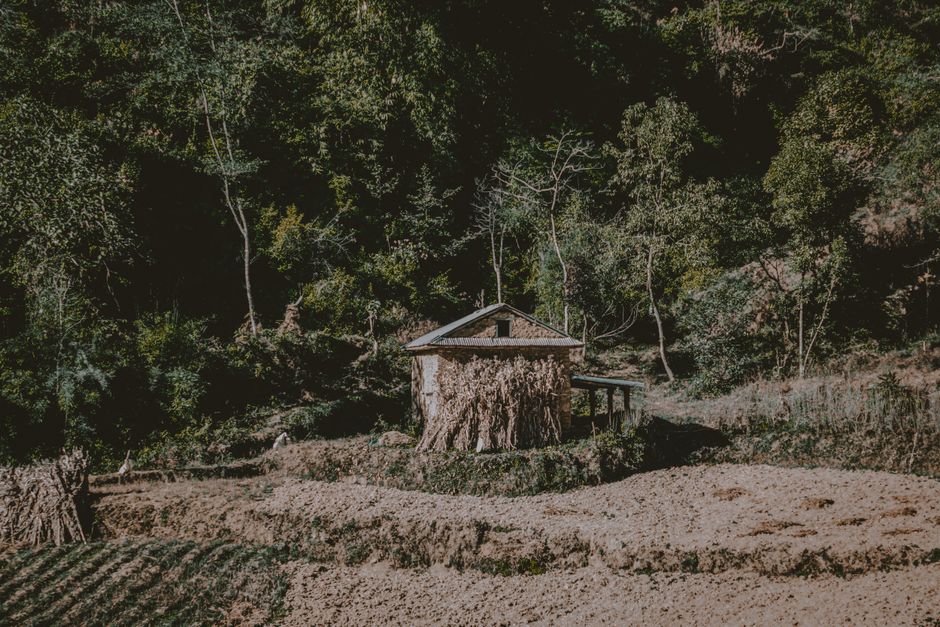
Critics argue that the world’s focus on disaster relief often eclipses the need for long‑term adaptation. Investment in flood‑resilient housing, early warning systems, and sustainable land‑use planning could mitigate the loss of homes far more effectively than short‑term cash drops. Yet, donors continue to allocate the bulk of their budgets to immediate relief, a pattern that perpetuates a cycle of rebuilding only to watch the structures wash away again. On the other hand, some officials contend that the sheer scale of the crisis demands urgent humanitarian aid before any strategic planning can take place. The tension between emergency response and future‑proofing is at the heart of the current debate.
The stakes extend beyond Nepal’s borders. With climate change intensifying monsoon variability across South Asia, the region could see a cascade of similar disasters, testing the resilience of neighboring economies and straining cross‑border cooperation. If Nepal fails to secure the resources needed to protect its homes and infrastructure, the humanitarian crisis could spill over, prompting a wave of refugees and further destabilizing an already volatile region.
In the meantime, the people of Nepal are forced to confront a brutal reality: homes are no longer a guarantee of safety, but a gamble against an increasingly hostile climate. The government’s pledges to “build back better” ring hollow when the very ground beneath those new structures is still prone to collapse. As the waters recede, the true cost will be measured not just in dollars or statistics, but in the shattered lives of those who have lost everything they owned.
The next monsoon will come whether Nepal is ready or not. If the international community continues to treat each flood as an isolated tragedy rather than a symptom of a deeper, climate‑driven crisis, the cycle of destruction will repeat. The question that looms over the shattered villages is simple yet unforgiving: will we finally learn to protect homes before the next wave arrives, or will we watch another generation drown in the same preventable misery?
Source: BBC Asia