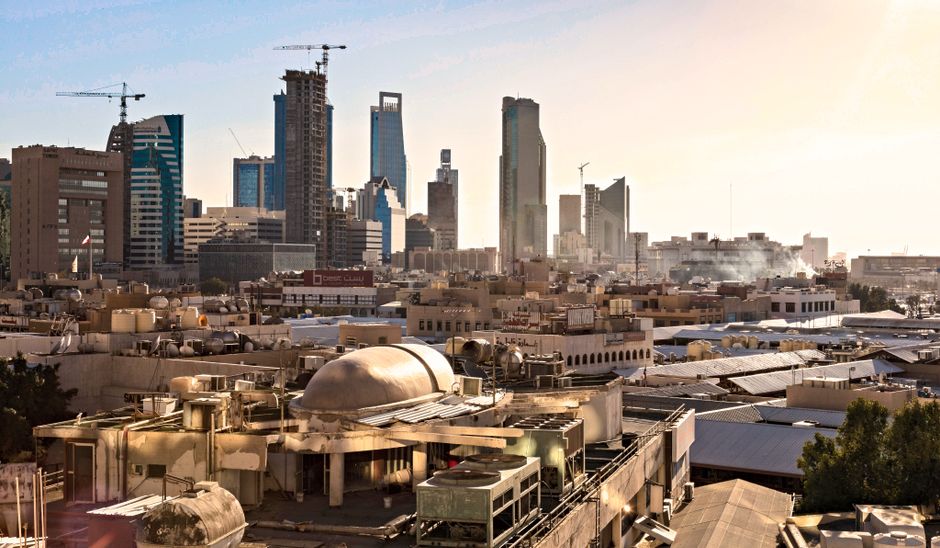
The **new** strike on Riyadh’s King Khalid International Airport has turned a tragic headline into a ticking‑time‑bomb for Saudi security. One day after a drone raid killed 13 people, a second wave of explosives injured dozens more, forcing the kingdom to confront a relentless escalation.
Reuters reports that the latest attack hit a civilian terminal just after rush hour, shattering glass and sending a plume of smoke across the tarmac. Saudi officials confirmed at least 30 injuries, most of them minor, while emergency crews rushed victims to nearby hospitals.
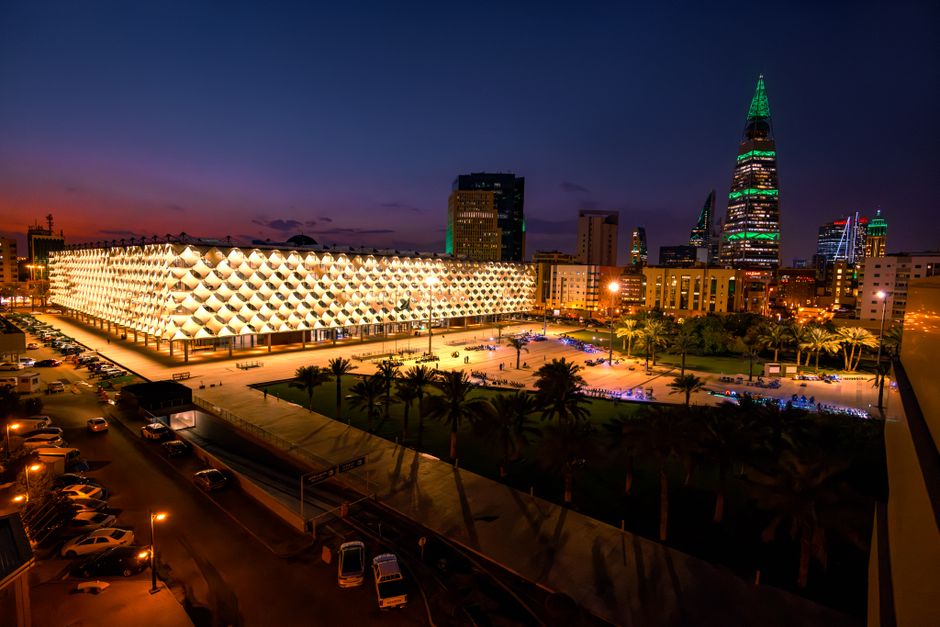
The first assault, carried out by Houthi‑aligned forces, marked the most lethal strike the kingdom has faced in years. In response, Saudi Arabia launched a barrage of retaliatory airstrikes across Yemen, a move that only deepened the regional firestorm. The **new** episode at the airport shows the conflict is spilling over into civilian infrastructure with alarming regularity.
The new wave of airport attacks
What makes this incident different from previous skirmishes is its clear targeting of a high‑profile transport hub. Airports are not merely transit points; they are symbols of national modernity and economic ambition. By striking there, the attackers aim to undermine confidence in the kingdom’s ability to protect its own citizens and foreign investors.
The timing is also crucial. The attack occurred just hours before a scheduled visit by senior Gulf Cooperation Council officials, a diplomatic gathering meant to showcase regional unity. The fact that the perpetrators could infiltrate a heavily guarded site suggests a lapse in intelligence coordination, or perhaps a deliberate gamble to expose Saudi vulnerabilities.
Historically, the Saudi‑Yemen war has been fought in deserts and border towns, but the conflict’s geography is shifting. Drone technology, cheap explosives, and a network of sympathisers have turned ordinary streets into potential battlefields. The **new** reality forces policymakers to rethink security protocols that once seemed airtight.
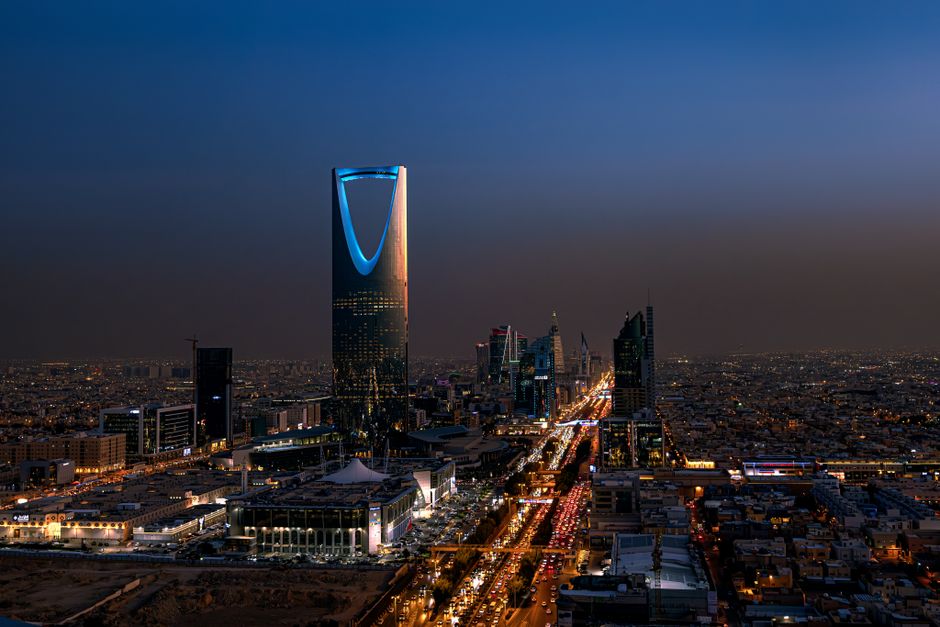
Implications for Saudi security and regional politics
The immediate fallout is a scramble to tighten airport security, likely involving more scanners, increased patrols, and a surge in surveillance contracts. Saudi defense firms stand to profit, and foreign tech providers may see a rush of orders for AI‑driven threat detection systems. Yet the cost of these upgrades will be shouldered by taxpayers already strained by war expenditures.
Politically, the attacks could embolden the Houthi movement and its Iranian backers, who may view the Saudi response as a sign of overextension. If the kingdom continues to pour resources into a military campaign in Yemen while defending its own soil, public opinion at home could sour, especially if civilian casualties rise.
On the other hand, the Saudi leadership might use the incident to rally nationalist sentiment, framing the attacks as an assault on Saudi sovereignty. Such a narrative could justify harsher security laws and tighter control over dissent, a pattern the kingdom has employed in previous crises.
Critics argue that Saudi Arabia’s heavy reliance on air power in Yemen has created a security vacuum that militants now exploit. They point to the lack of a comprehensive political solution as the root cause of recurring violence. While this view holds weight, it underestimates the strategic calculus of groups that thrive on asymmetric warfare.
The broader Middle‑East landscape is also in flux. Western allies, particularly the United States and the United Kingdom, have pledged continued support for Saudi counter‑terrorism efforts, but they are wary of being drawn into a protracted conflict. As the **new** attacks demonstrate, the risk of regional spillover is rising, and diplomatic patience may be wearing thin.
In the short term, Saudi Arabia faces a stark choice: double down on military retaliation or pivot toward a negotiated de‑escalation that addresses the underlying grievances in Yemen. Each path carries heavy stakes for the kingdom’s stability, its economy, and its international standing.
If the government opts for the former, we can expect a surge in defense spending, a tightening of civil liberties, and an intensified propaganda campaign. If it leans toward the latter, the kingdom might open channels for dialogue, potentially reshaping the power dynamics of the Gulf.
The **new** reality at Riyadh’s airport is a warning sign, not an isolated incident. It forces the kingdom to confront the paradox of projecting strength abroad while safeguarding its own heartland.
The coming weeks will test whether Saudi Arabia can turn this crisis into a catalyst for smarter security and genuine peace, or whether it will simply add another chapter to a conflict that has already cost too many lives. Only time will tell if the **new** wave of attacks will be the last the kingdom endures.
Source: Google — Middle East