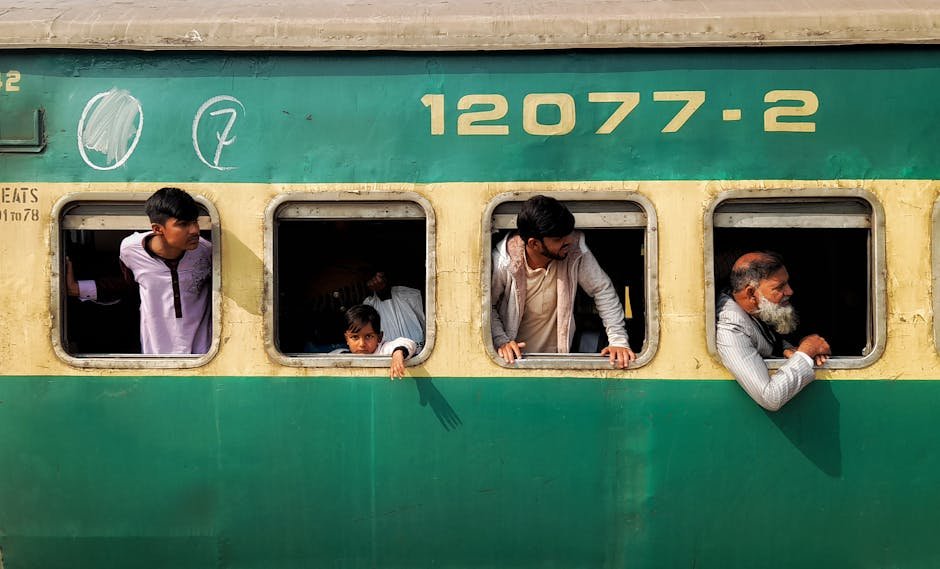
South Asia Train frames the debate here: The reality of violence in South Asia is a bitter pill we keep swallowing, unfortunately yet again exemplified by the recent train blast in Pakistan that claimed at least 20 lives. How many more lives need to be lost before the world finally confronts the escalating tide of terrorism in this region?
According to the BBC, this horrific incident involved a bomb targeting a train in the southwestern province of Balochistan, leaving devastation in its wake and raising serious questions about security protocols. With a significant death toll already, this tragedy underscores the persistent threats facing civilians in South Asia.
The Context of Terrorism in South Asia
This attack is merely the latest chapter in a grim saga that has engulfed South Asia in a cycle of violence. Balochistan has seen its share of bloodshed, with various militant groups vying for power and influence while the state struggles to maintain control. The historical grievances of the Baloch people, coupled with the actions of state and non-state actors, create a volatile mix that often erupts into violence. The geopolitical landscape also doesn’t help; historical tensions with India and Afghanistan have bled into domestic issues, making the region a hotbed for extremism.
The implications of this attack are far-reaching. Not only does it serve as a stark reminder of the fragility of peace in South Asia, but it also threatens to further destabilize a region already wrestling with economic woes and diplomatic tensions. As governments scramble to assert control, the everyday citizen is left to bear the brunt of this chaotic reality.
The Stakes: Who Wins and Who Loses?
So, who stands to gain from this tragic turn of events? In the short term, extremist groups may use this incident to bolster their narrative of resistance against state oppression. In doing so, they could recruit more followers and garner sympathy from those who feel marginalized. On the other hand, the government faces mounting pressure to respond forcefully. This could lead to a crackdown on dissent, which may satisfy some in the short run but risks alienating the very populations they need to win over to establish long-term stability.
One major point the mainstream media often overlooks is the psychological toll on civilians. Beyond the immediate casualties, such attacks instill a pervasive sense of fear that can stifle economic activity and erode social cohesion. If people fear traveling or engaging in daily activities, the economic repercussions could be severe, further entrenching poverty in a region already stretched thin.
While global powers may pay lip service to the tragedy, the truth is that South Asia will continue to suffer unless there is a concerted effort to address the root causes of violence—grievances that are both historical and contemporary.
We must ask ourselves: what will it take for the international community to prioritize stability in South Asia? Will we wait for more lives to be shattered before taking decisive action? The haunting echoes of this blast serve as a wake-up call; ignoring it could cost us dearly in the future, both in terms of human lives and geopolitical stability.
That tension around South Asia asias is not going away.
Observers say South Asia asias will shape the debate for months.
That tension around South Asia Train is not going away.
Source: Google — South Asia