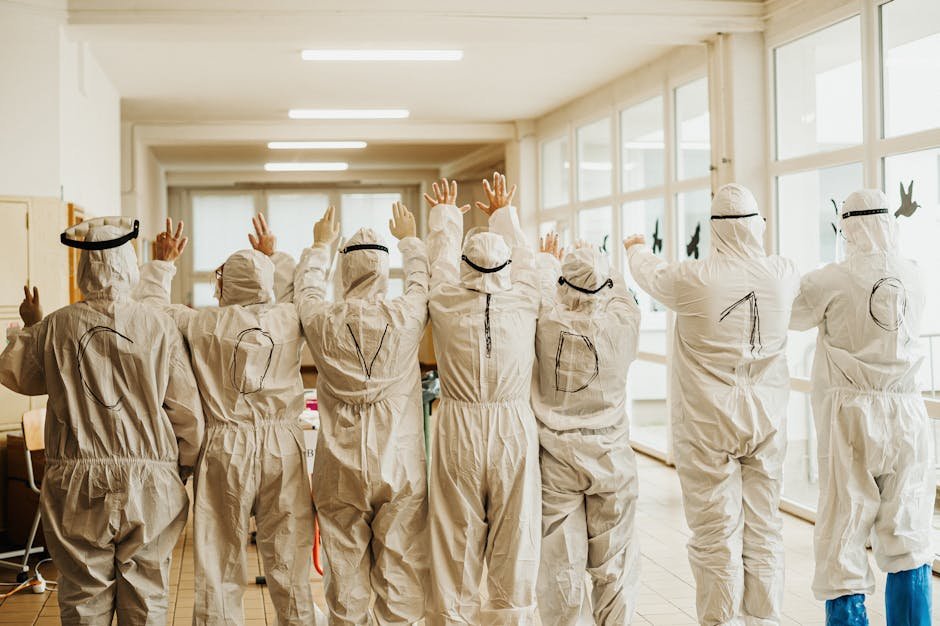
Global health frames the debate here: Another day, another Ebola outbreak in the Democratic Republic of the Congo. You’d think humanity would have learned by now how to handle this viral menace, yet here we are with the Africa CDC confirming a new wave of terror in the remote Ituri province. According to AP News, there are already 246 suspected cases and an alarming 65 deaths. This is not just a health crisis; it’s a grim reminder of our collective failure to contain a disease that thrives in the shadows of neglect.
Why global health matters now
So why does this matter right now? Congo has been no stranger to Ebola outbreaks, and the latest one is unfolding in the Mongwalu and Rwampara health zones, where geography and history combine to create a perfect storm. The lack of healthcare infrastructure, compounded by social and political instability, creates an environment ripe for the virus to flourish. The international community should be ashamed—despite years of promises and plans, we’re still watching from the sidelines as countless lives hang in the balance.
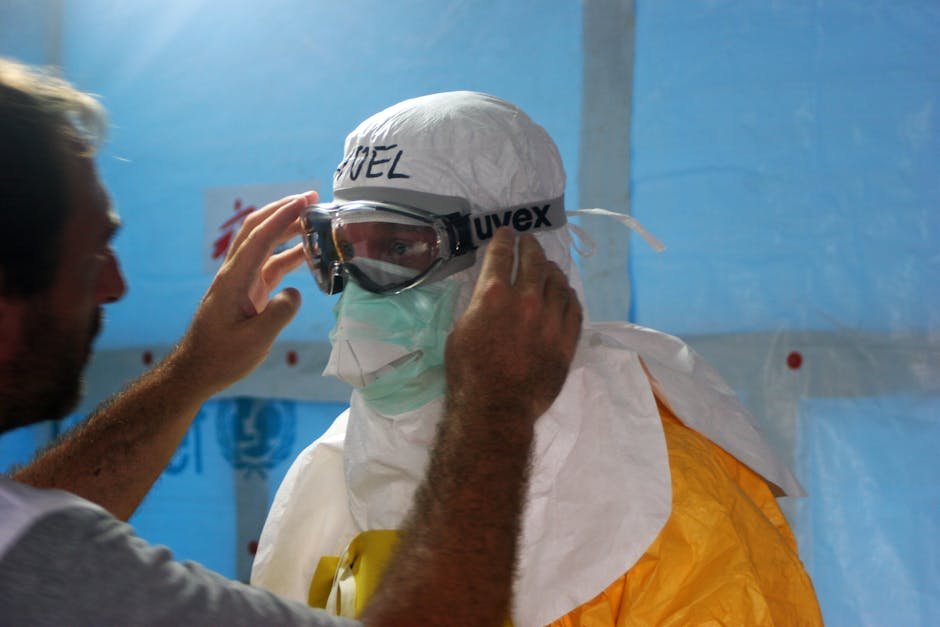
The stakes are high. This isn’t just an epidemiological crisis; it’s a humanitarian tragedy waiting to happen. The DRC has seen cycles of Ebola outbreaks, often exacerbated by political turmoil and inadequate healthcare responses. If this outbreak is not contained swiftly, it could spiral out of control, potentially spilling over borders into neighboring countries. With each day that passes, the risk of global health implications increases. The mainstream media is already too distracted by more sensational headlines to cover this crisis properly. What it misses is that this is not just a Congolese problem; it is a global problem—especially as we continue to grapple with the long-term effects of COVID-19.
The stakes around global health
Let’s be clear: the DRC government, with its limited resources, needs the world to step up, not just with words but with action. We need coordinated international support for containment, treatment, and education efforts. The World Health Organization and various NGOs must mobilize now, before we’re looking at an outbreak that rivals the infamous crises of the past. The reality is that when health systems in developing countries fail, the consequences ripple outward, threatening global security.
In closing, as we witness yet another outbreak unfold, we must ask ourselves: how many lives will it take before we treat health crises like the urgent matter they are? Ebola is back, and this time it’s not just a number on a statistics sheet—it’s a harbinger of our collective apathy. If we don’t act decisively now, we might find ourselves at the mercy of a virus that only knows how to spread. The time for complacency is long gone, and the clock is ticking.
Source: Top:health