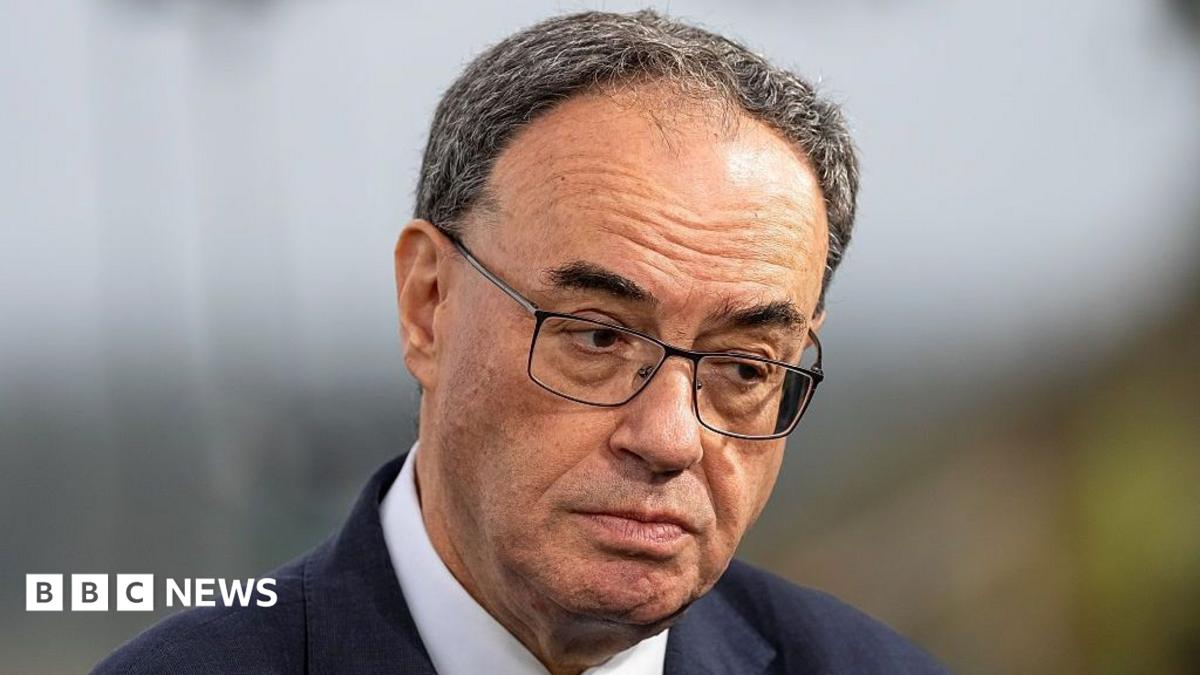
Artificial intelligence is no longer a futuristic buzzword; it’s the new gold rush that has the Bank of England’s governor peering over his spectacles and warning of market tremors. Andrew Bailey told reporters the central bank is watching the flood of cash being poured into artificial intelligence “very carefully,” a comment that feels less like prudence and more like a siren for investors who think the AI train can’t be derailed.
The BoE’s caution is not a baseless rumble. According to the BBC, Bailey’s remarks came after a spate of venture‑capital rounds and corporate balance‑sheet allocations that have seen billions of pounds shift toward AI start‑ups, cloud‑providers, and chip manufacturers. In the same breath, the regulator hinted that the surge could ripple through asset prices, credit spreads, and even the stability of the financial system itself.

Why the artificial intelligence rush could shake markets
The current AI frenzy is built on a foundation that is both exhilarating and fragile. Over the past twelve months, UK‑based firms have raised record sums, while foreign capital has sprinted into London’s tech corridors, betting that the next ChatGPT‑style breakthrough will unlock untold profit. This influx of money has inflated valuations far beyond the earnings of many AI‑centric companies, creating a bubble that resembles the dot‑com mania of the late 1990s.
Yet the excitement is not confined to the private sector. Public institutions are also jumping on board, with universities securing research grants and the government promising tax incentives for AI development. The confluence of public and private funds amplifies the risk: a single misstep—whether a high‑profile model failure or a regulatory clamp‑down—could trigger a cascade of sell‑offs across sectors that are now intertwined with AI technology.

The timing of Bailey’s warning is crucial. The UK economy is still navigating post‑Brexit trade adjustments and a lingering energy price shock. Adding a volatile AI‑driven asset class to the mix could strain the Bank’s inflation‑targeting mandate. Moreover, the rapid pace of AI adoption means that traditional risk‑assessment tools may lag, leaving lenders and insurers exposed to credit‑quality surprises that their models simply cannot predict.
The hidden risks behind the AI boom
What mainstream commentary often glosses over is the depth of the systemic exposure. First, there is the concentration risk. A handful of megacap AI firms dominate the market, and their stock movements can sway entire indices. If one of these giants stumbles—perhaps due to a data‑privacy scandal or an unexpected regulatory fine—portfolio managers will be forced to rebalance, potentially sparking a broader market correction.

Second, the AI hype fuels a wave of speculative financing. Venture capitalists, eager not to miss the next unicorn, are extending capital on ever‑shorter due‑diligence cycles. This accelerates the “burn‑rate” of start‑ups, many of which lack robust revenue models. When funding dries up, a cascade of bankruptcies could erode confidence in the sector and spill over into the broader tech ecosystem.
Third, the regulatory lag is a ticking time bomb. While the BoE monitors cash flows, other authorities are still drafting frameworks for algorithmic accountability, data governance, and AI‑related cybersecurity. A sudden regulatory shock—think heavy‑handed licensing requirements or mandatory transparency disclosures—could force firms to re‑engineer products overnight, inflating costs and unsettling markets.
Critics might argue that the BoE’s cautionary tone could stifle innovation, that the UK needs to be bold to retain its AI leadership. That point has merit; over‑regulation can indeed smother the entrepreneurial spirit. However, the governor’s language is not a call for bans but a reminder that unchecked enthusiasm can sow the seeds of a financial wobble. A balanced approach—where oversight evolves alongside technology—offers a path that preserves both growth and stability.
The stakes extend beyond Wall Street‑type investors. Pension funds, which now allocate a growing slice of their portfolios to tech equities, could see retirees’ savings wobble if an AI‑centric correction hits. Small‑business lenders, many of whom have embraced AI‑driven credit scoring, may find their risk models obsolete overnight, jeopardizing loan pipelines.
In the grand scheme, the artificial intelligence surge is a double‑edged sword for the United Kingdom. On one side lies the promise of high‑value jobs, export‑ready products, and a revitalised digital economy. On the other, a fragile market architecture that could crack under the weight of speculative capital. The BoE’s warning is less a dampener and more a compass, pointing policymakers, investors, and the public toward a more measured navigation of this uncharted territory.
As the weekend rolls on and the headlines continue to trumpet every new AI breakthrough, the underlying question remains: will the United Kingdom ride the wave of artificial intelligence to sustainable prosperity, or will it be caught in a tide that pulls the whole financial system under? The answer will likely be written not just in boardrooms and labs, but in the balance sheets of banks and the prudential policies of regulators who decide how far they’re willing to let the AI tide rise.
Source: BBC Technology