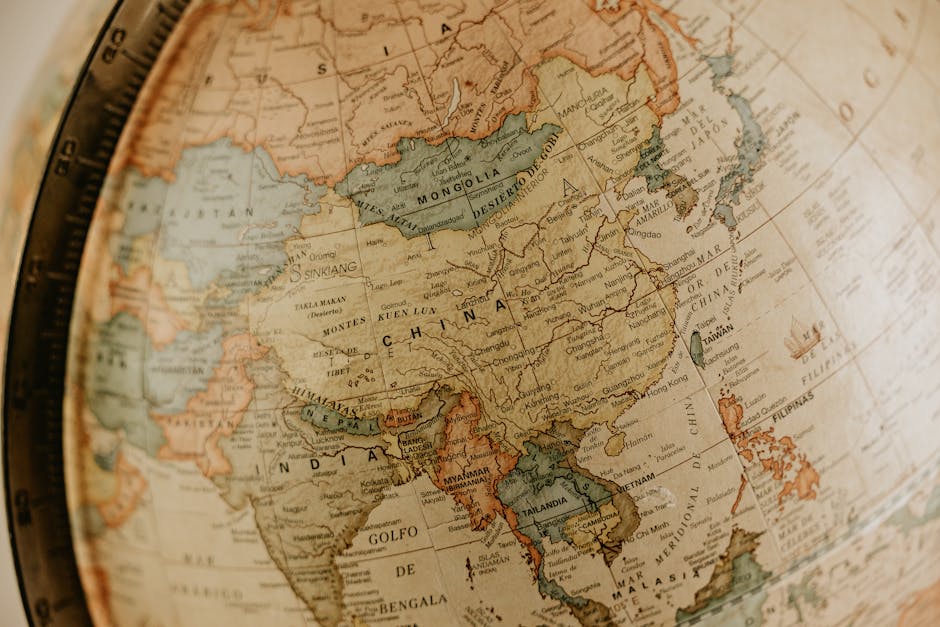
Putin Visit frames the debate here: Putin might have basked in the glow of a grand Chinese welcome, but the stark reality is that Russia is not the cultural or economic colossus it once aspired to be. According to the BBC, while Russia and China presented a united front on the global stage, the visit ended on a rather sour note for Putin—without a crucial pipeline deal in hand.
The Reality of Russian-Chinese Relations
This moment is significant because it reveals the cracks in what many hoped would be an unbreakable alliance. With the backdrop of geopolitical tensions, Russia has been leaning heavily on China as a counterbalance to Western influence. Yet, this recent visit underscores a critical truth: while China seems willing to showcase solidarity, it is not committed to elevating Russia’s economic interests above its own. With no pipeline deal in place, it becomes evident that Russia’s dependency on China may not yield the expected benefits.
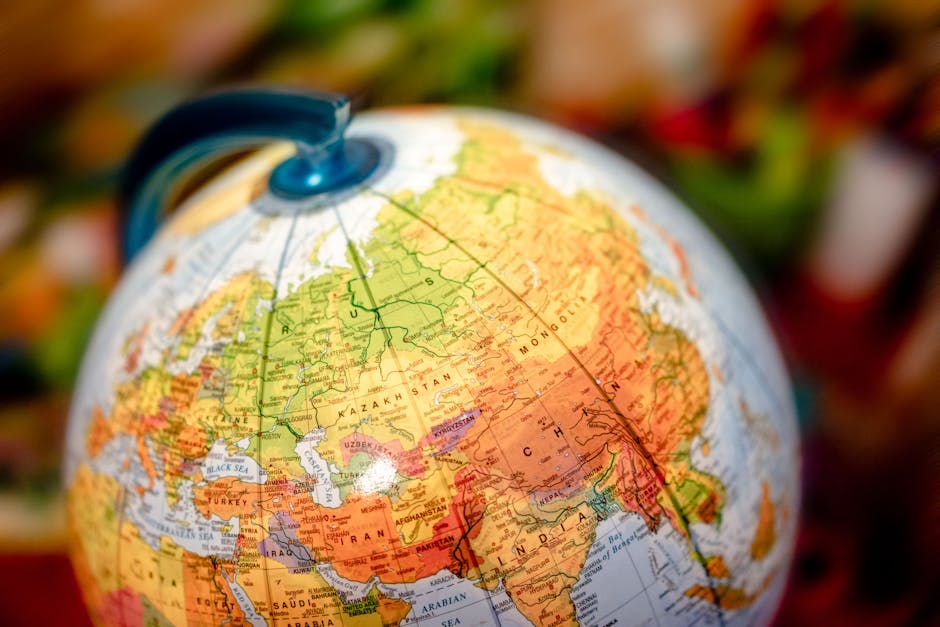
The situation also feels like a wake-up call for Moscow. Putin’s pivot to China was supposed to signify strength, but it is increasingly looking like a last resort for a country struggling to assert itself on the world stage. The optics of a warm welcome from Xi Jinping might delight the Russian leadership, but they mask a deeper truth—China gives with one hand while taking with the other.
The Stakes for Russia
So where does this leave Russia? It puts the Kremlin in an uncomfortable position, exposed and potentially vulnerable. Without a pipeline deal, Russia’s ability to leverage its energy resources is severely diminished, especially in a time when European markets are tightening. Meanwhile, the implications for the global energy market could be profound. If Russia’s ability to supply energy is hindered, it not only affects its economy but also the geopolitical landscape. The European Union could pivot more rapidly towards alternative energy sources, leaving Russia in a precarious position.
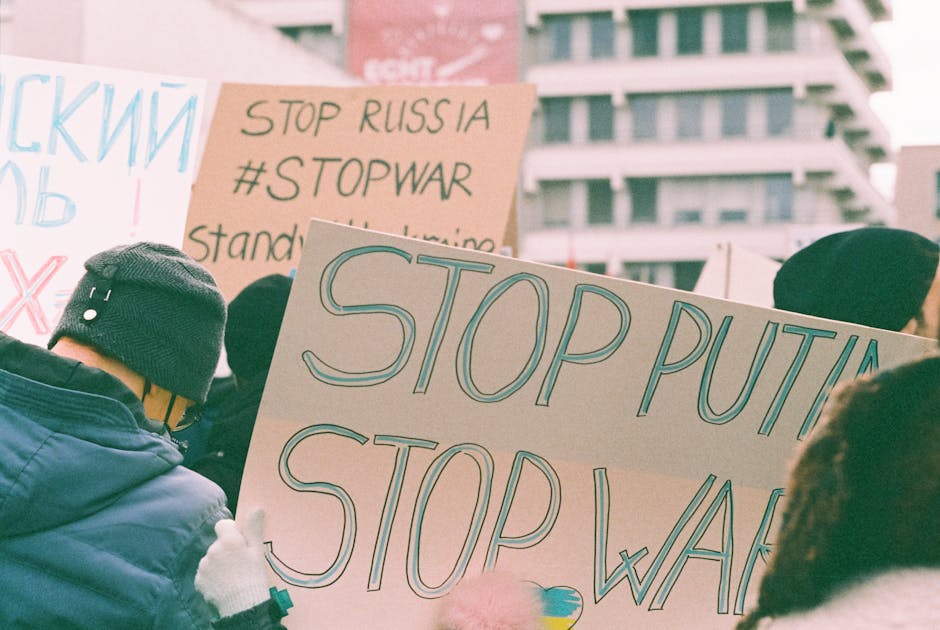
Moreover, there’s a risk involved—China’s support for Russia is not unconditional. The relationship is transactional, and as the world’s second-largest economy continues to rise, Russia’s role as a mere supplier of raw materials could be threatened. The irony here is palpable: in seeking an ally, Russia may have shackled itself to a partner that is strategically positioning itself to dominate, not collaborate.
While the mainstream narrative paints a rosy picture of Russia and China as allies against Western hegemony, the truth is more complicated and fraught with tension. There’s a growing realization that this partnership may not be conducive to Russia’s long-term interests. The Kremlin’s reliance on China could become its Achilles’ heel if it plays its cards wrong.
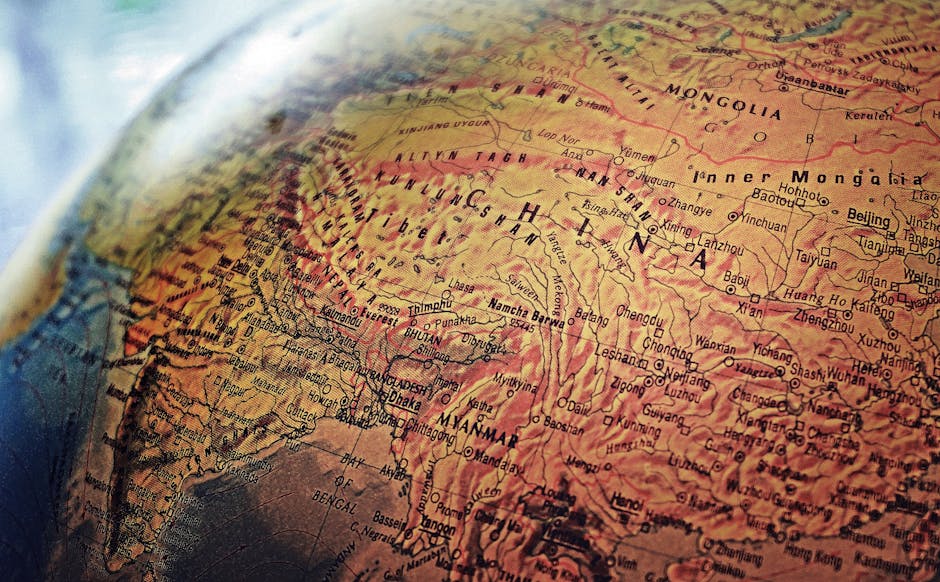
In a world where alliances shift like sand dunes, Russia must reassess its strategies. The absence of a pipeline deal should serve as a catalyst for an introspective look at what it means to be a global player today.
Putin’s prestige in China has its limits, and as he heads back to Moscow, the tough questions loom larger than ever: How long can Russia afford to be a sidekick on the geopolitical stage, and what happens when the music stops?
That tension around Putin putins is not going away.
Observers say Putin putins will shape the debate for months.
That tension around Putin Visit is not going away.
Source: BBC Asia