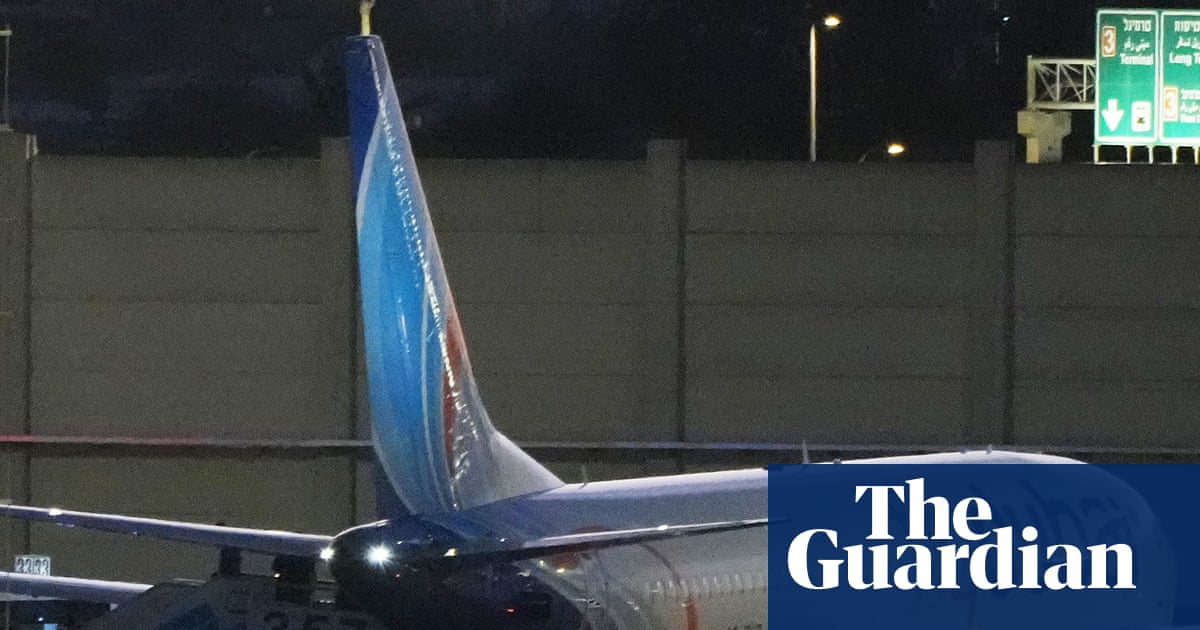
The whole world watched an **alleged** cockpit showdown that turned a routine flight from Dubai to Tel Aviv into a dramatic detour over the Saudi desert, and the story has already become a cautionary tale for anyone who thinks the skies are safe from drama.
According to The Guardian, two Australian passengers were on a flydubai service when a co‑pilot is said to have stabbed the captain, forcing the aircraft to divert to Riyadh for emergency landing.
The alleged cockpit clash and its fallout
The incident unfolded just after take‑off, when the pilot’s sudden, violent act sent the cabin into chaos. In fact, the crew’s quick response saved lives, but the episode has ignited a firestorm over aviation safety in a region already fraught with geopolitical tension. The airline immediately grounded the aircraft and launched an internal investigation, while Saudi authorities took custody of the suspects.
What makes this story more than a headline‑grabbing crime is the broader context of Middle‑East air travel, where airlines compete not only on price but also on the sleekness of their brand image. Flydubai has cultivated a reputation for affordable style—bright livery, modern interiors, and a cabin crew uniform that blends modesty with contemporary fashion. When an **alleged** act of violence shatters that polished veneer, the fallout ripples through passenger confidence, insurance premiums, and the very aesthetic the airline sells.
Travel fashion enthusiasts, who often showcase their runway‑ready outfits against the backdrop of glossy airline magazines, now face a stark reminder that style cannot shield them from security lapses. The incident also forces a reassessment of how airlines balance the demand for a chic passenger experience with the need for rigorous crew vetting and mental‑health monitoring.
Meanwhile, the Middle East’s tourism sector, still recovering from pandemic lows, cannot afford another scare that could deter the affluent jet‑set who drive much of the region’s luxury travel revenue. The **alleged** attack raises uncomfortable questions about the psychological screening of pilots, especially in airlines that recruit heavily across borders. Critics argue that cost‑cutting measures may have compromised thorough background checks, while industry insiders point to the rarity of such events as evidence that existing protocols are largely effective.
What this means for Middle‑East aviation security
The diversion to Saudi Arabia underscores the strategic importance of the Kingdom’s emergency response capabilities, but it also exposes gaps in regional coordination. Saudi air traffic controllers were praised for their swift handling of the unscheduled landing, yet the incident has sparked calls for a unified Middle‑East aviation security framework that goes beyond reactive measures.
If regulators tighten standards, airlines may need to invest in more sophisticated cockpit monitoring systems—technology that can detect abnormal behavior before it escalates. Such upgrades could clash with the sleek, minimalist design that many carriers tout as part of their brand identity. The tension between safety tech and aesthetic simplicity will likely become a new battlefield for airline executives, especially those courting fashion‑forward travelers who value both form and function.
On the consumer side, the episode may shift traveler expectations. Passengers who once prioritized seat comfort and in‑flight Wi‑Fi might now demand visible security assurances, perhaps even a glimpse of the crew’s training credentials. In a market where Instagram‑ready lounges and designer‑inspired uniforms are key selling points, airlines risk losing their edge if they cannot convincingly demonstrate that safety is not a trade‑off.
The **alleged** nature of the attack also fuels speculation in the media, with some pundits hinting at possible political motives, while others suggest a personal dispute gone terribly wrong. Until the investigation concludes, the truth remains murky, but the narrative is already shaping public perception. Mainstream coverage tends to focus on the sensational details, yet it often overlooks the systemic issues that enable such an event to happen on a flight bound for a high‑profile destination like Tel Aviv.
In reality, the incident is a mirror reflecting deeper anxieties about regional stability, the reliability of cross‑border staffing, and the fragile trust passengers place in those who control the aircraft. The story also serves as a reminder that even the most meticulously curated travel experience can be upended by a single **alleged** act of violence.
As airlines scramble to repair their image, they will need to do more than issue statements. Transparent communication, enhanced crew wellness programs, and visible security upgrades will be essential to reassure a clientele that values both style and safety. The fashion‑forward traveler of tomorrow may well wear a designer scarf, but they will also expect a cockpit that is as secure as it is stylish.
The sky, after all, is the ultimate runway—one that cannot afford any unexpected turbulence. If the industry learns anything from this **alleged** incident, it should be that glamour and vigilance must travel hand‑in‑hand, or else the next headline will not just be about a stylish uniform, but about another flight forced to touch down far from its intended destination.
Source: Guardian Middle East