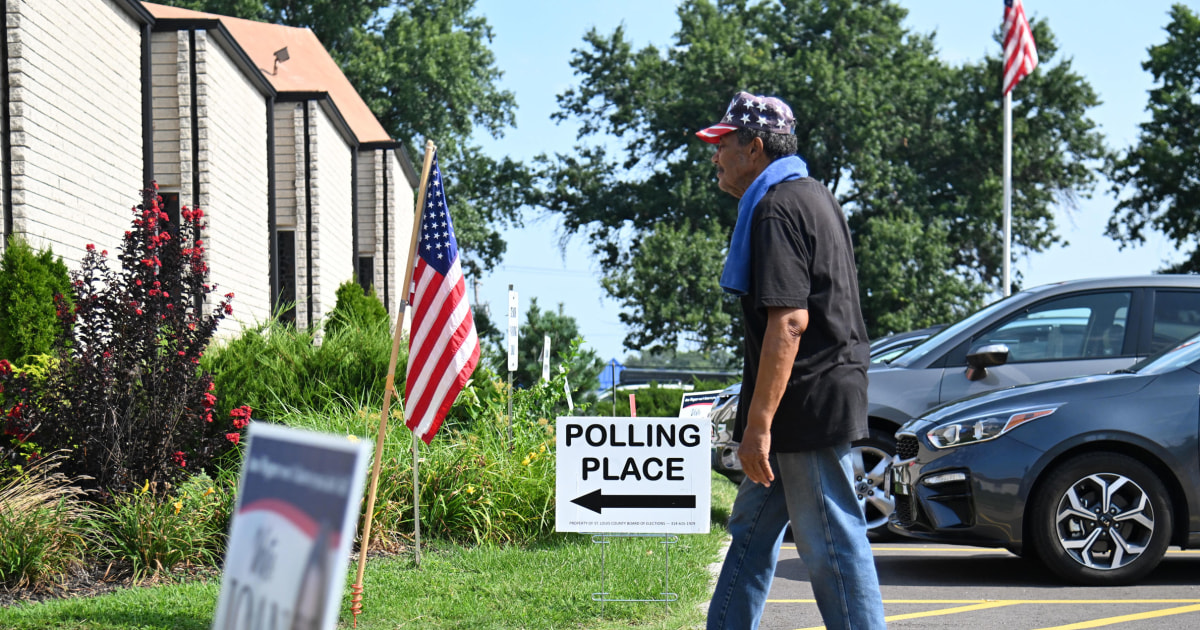
The **Supreme Court** has once again slammed the door on Missouri’s GOP‑driven redistricting scheme, and the pattern of refusal is anything but accidental. For a third time in as many weeks, the nation’s highest court denied a Republican request to roll out a new congressional map for the midterms already in motion, sending a clear signal that partisan gerrymandering can no longer hide behind legal loopholes.
According to NBC News, the Court’s Friday order dismissed the Missouri Republican Party’s petition, which argued that the existing map violated the state constitution’s “one person, one vote” guarantee. The justices’ brief opinion cited procedural deficiencies and noted that the lower courts had already ruled the map unlawful, leaving the party with no viable path forward before the November ballot.
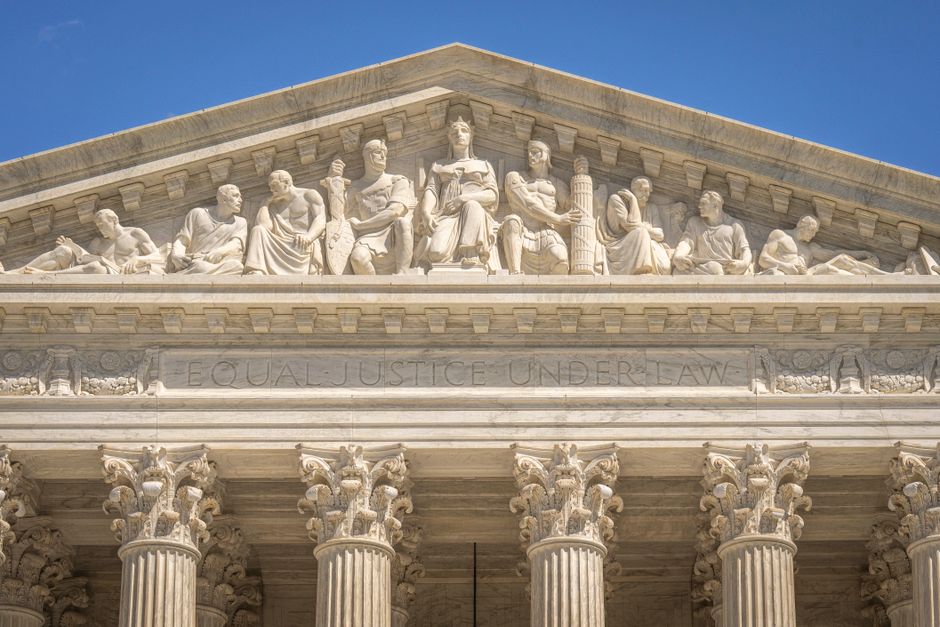
Why the Supreme Court’s Rejection Matters Now
The timing of this decision could not be more consequential. The midterm election calendar is already packed with campaigns, fundraising drives, and voter outreach, and a sudden reshuffling of district lines would have thrown the entire process into chaos. In fact, the Court’s intervention preserves the status quo, meaning incumbents and challengers alike must continue to campaign in the boundaries that were drawn after the 2020 census.
Historically, Missouri has been a battleground for redistricting disputes. After the 2022 cycle, state courts struck down a map that heavily favored Republicans, prompting a hurried attempt to draft a new configuration that would survive legal scrutiny. That effort, however, ran afoul of the state’s constitutional requirements for equal population distribution and compactness, prompting the latest appeal to the **Supreme Court**.
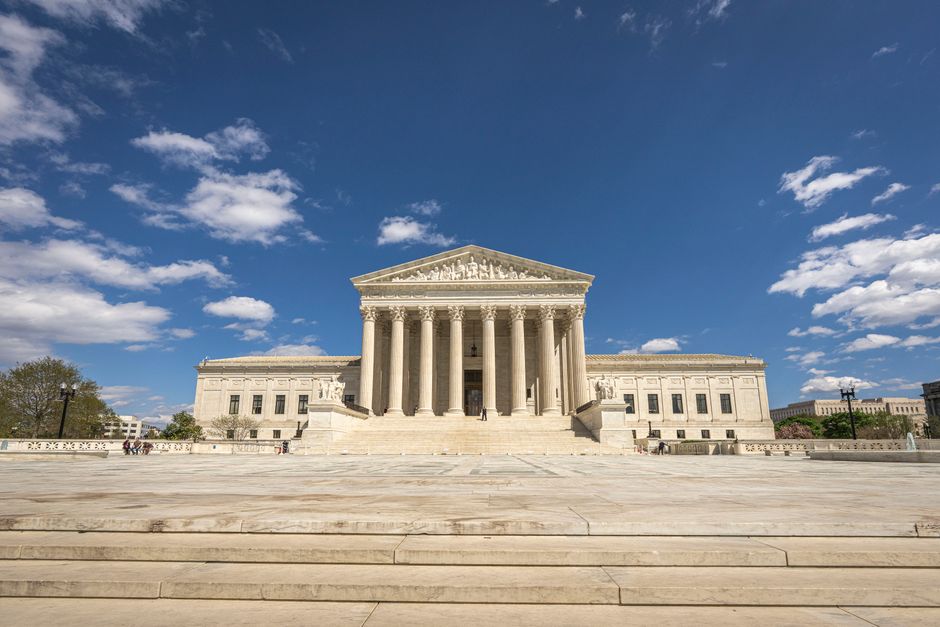
Meanwhile, the national conversation around gerrymandering has intensified. The **Supreme Court** has been reluctant to intervene directly in partisan map‑making, preferring to leave the issue to state courts and legislatures. Yet in Missouri’s case, the justices found a clear procedural breach that justified stepping in, a rare move that underscores how the federal judiciary can still act as a check on overt political engineering.
The Bigger Picture: What This Signals for GOP Redistricting
The immediate fallout is a mixed bag for the Republican Party. On one hand, the decision spares them the logistical nightmare of re‑educating voters and re‑printing ballots, a costly exercise that could have alienated even their base. On the other hand, it cements a legal precedent that may embolden future challenges to partisan maps in other swing states.
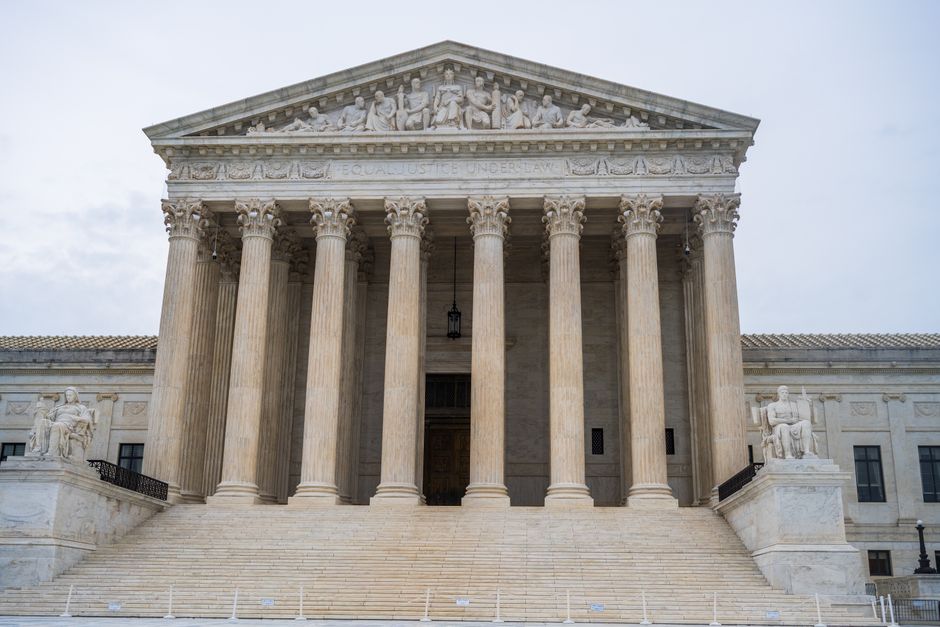
Democrats, for their part, can breathe a sigh of relief that the current map, though not perfect, does not grant Republicans an outsized advantage. Yet they must remain vigilant; the GOP will likely regroup and file new lawsuits or propose alternative maps that skirt the procedural pitfalls highlighted by the **Supreme Court**.
Critics argue that the Court’s involvement is a double‑edged sword. Some legal scholars warn that repeated interventions could erode the judiciary’s perceived neutrality, turning the bench into a political arena. Others counter that without such oversight, state legislatures would have free rein to sculpt districts that guarantee their own re‑election, effectively muting voter choice.
What the mainstream media often overlooks is the ripple effect on down‑ballot races. Congressional seats are just the tip of the iceberg; state legislatures, local councils, and even school board districts can be reshaped by the same lines. As a result, policy outcomes on education, healthcare, and infrastructure may hinge on how these boundaries are finally drawn.
Looking ahead, the **Supreme Court**’s stance may inspire a wave of litigation in states like Texas, North Carolina, and Florida, where similar partisan maps are already under fire. If the highest court continues to apply a strict procedural lens, we could see a new era where gerrymandering is no longer a safe harbor for partisan advantage.
In the meantime, Missouri’s voters will head to the polls under the old map, unaware that the very lines they walk down on election day were once the subject of a high‑stakes legal tug‑of‑war. The **Supreme Court** has reminded us that the battle over representation is fought not just on campaign trails, but also in the quiet chambers of the judiciary.
As the nation watches the midterms unfold, the lingering question remains: will the **Supreme Court** continue to act as a gatekeeper against extreme partisan carving, or will it retreat, leaving the field open for political actors to redraw the map of democracy itself? Only time—and perhaps the next election cycle—will reveal the answer.
Source: NewsAPI:us