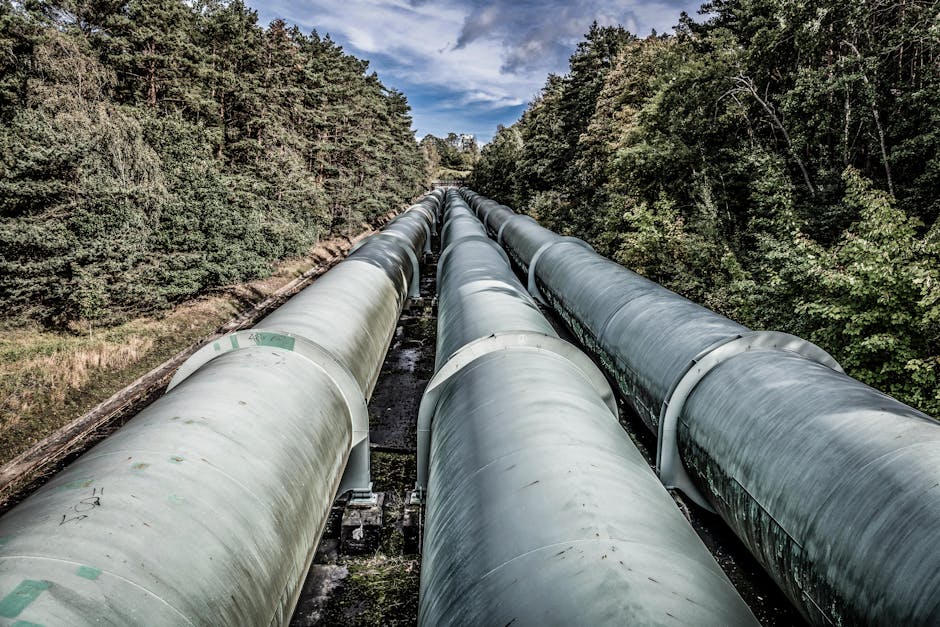
Putin Unity frames the debate here: The world watched as Putin paraded through China, but let’s get real: the supposed alliance between Russia and China comes with strings attached. While Putin may enjoy the lavish welcome and show of unity, he returned home without the crucial pipeline deal he desperately needs. According to BBC, this visit showcased a facade of solidarity, but the cracks are showing beneath the surface.
The Limits of Russia-China Relations
Why does this matter now? Russia is at a crossroads, caught in the crosshairs of international sanctions and isolation. With Western countries pushing back against his regime, Putin turned to China, hoping to cement an energy partnership that could give him the leverage he so desperately craves. However, as the BBC reports, what was on the table for discussion didn’t translate into actual agreements. The omission of a pipeline deal signifies a troubling reality: China’s support has its limits, and Russia’s bargaining power is waning.
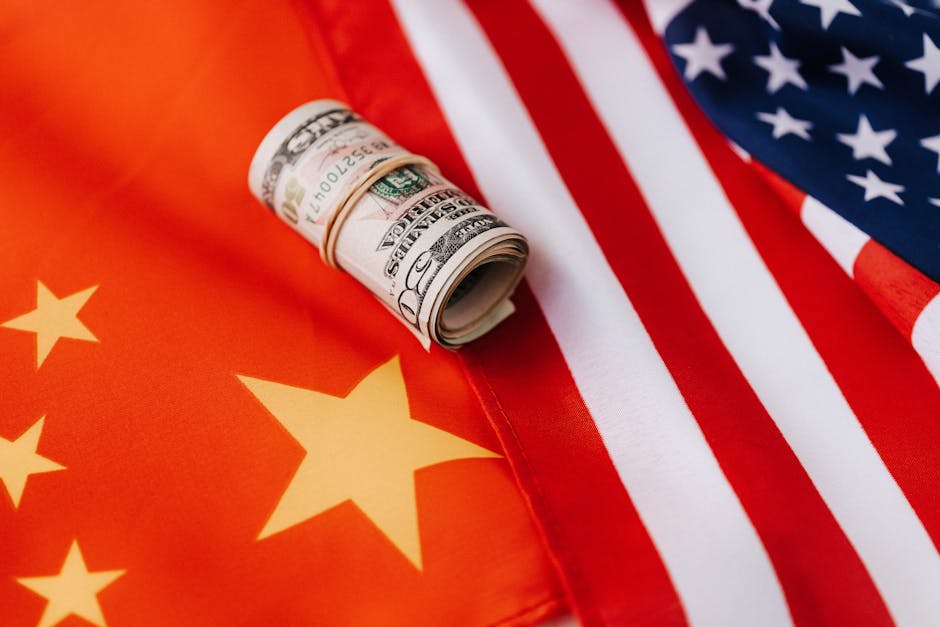
The tensions between these two giants are palpable. China, while willing to stand shoulder-to-shoulder with Russia against the West, is also cautious. They recognize that their own economic stability must take precedence, and that means not making overly generous commitments to a faltering ally. This power dynamic isn’t just a reflection of their diplomatic dance; it’s a stark reminder that in international relations, loyalty often has a price.
The Hot Take: Who Wins, Who Loses?
Let’s break down the implications of this failed visit. In the short term, Putin loses significant face. He’s been parading his connection with Xi as a lifeline, yet he returns home empty-handed. The absence of a pipeline deal highlights how dependent Russia is on China’s goodwill, and it raises questions about the durability of this so-called partnership.
China, on the other hand, plays a smart game. By not committing to a deal, they maintain leverage over Russia, allowing them to dictate terms and price. This could end up benefiting not only China’s energy market but also its political standing globally. The mainstream narrative may highlight the spectacle of Putin’s visit, but what’s being missed are the underlying tensions that reveal Russia’s precarious position on the world stage.
Meanwhile, the geopolitical stakes are rising. If Russia continues to struggle in securing reliable energy partnerships, it may resort to more desperate measures, potentially destabilizing the already volatile region. Moreover, with the global market reacting to these developments, investors should keep a close watch. The uncertainty surrounding Russia’s energy strategy could send shockwaves through Monday markets, affecting not just local economies but international prices and trade dynamics.
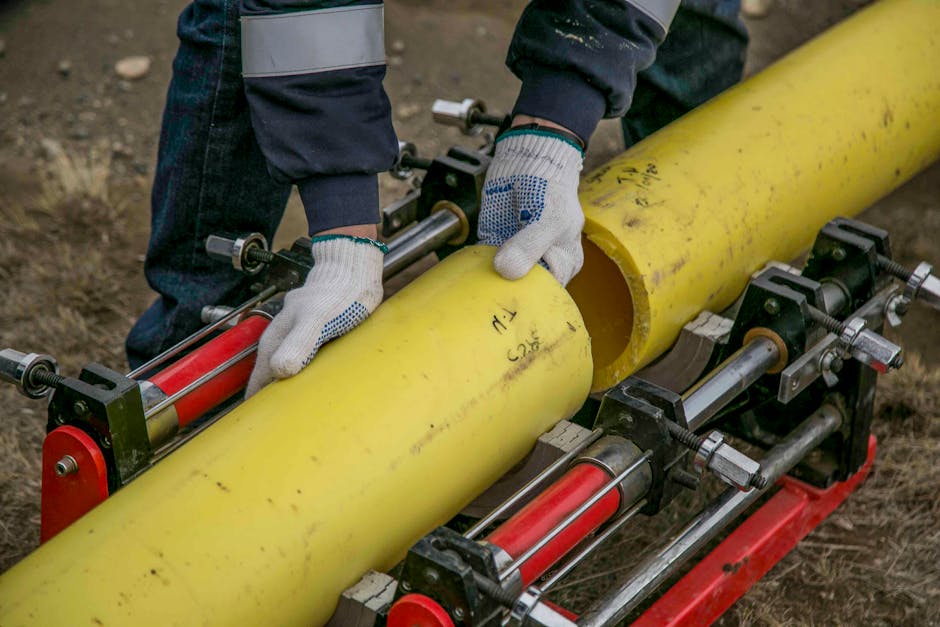
As we move forward, we must ponder: what does the future hold for Russia as its partners remain cautious? The façade of unity will only last as long as Russia can deliver value to China, and without significant economic strides, that partnership may fray faster than Putin can say “pipeline.”
The real question remains: will Russia adapt to this shifting landscape or continue to cling to an obsolete hope that China will be its unwavering shield against the West? The cracks are there, and they’re only getting wider.
That tension around Putin putins is not going away.
Observers say Putin putins will shape the debate for months.
That tension around Putin Unity is not going away.
Source: BBC Asia