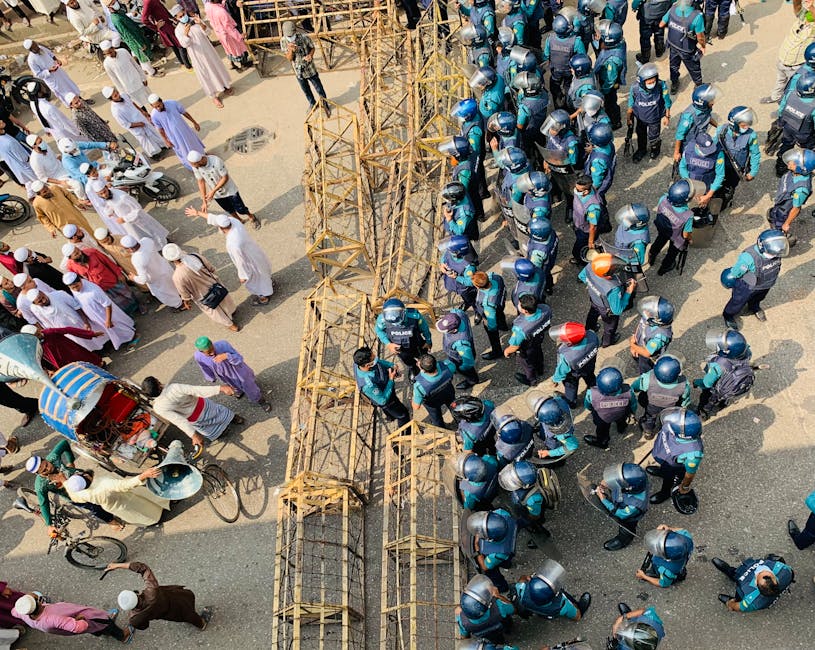
Looming iran frames the debate here: The U.S. has a long history of meddling in foreign affairs, but are we prepared for the implications of a potential Iran war? As tensions simmer in South Asia, Republican Senator Marco Rubio recently stated that the conflict will be resolved “one way or the other.” In an era where political rhetoric can ignite international disputes, we must ask: what does this mean for diplomacy and stability in the region?
According to The Hill, Rubio made these remarks while visiting India, stressing that the ongoing situation with Iran, particularly concerning its nuclear capabilities, is on the brink of escalation. It’s hard to dismiss the weight of such a declaration coming from a key U.S. Senator as the geopolitical chessboard shifts.
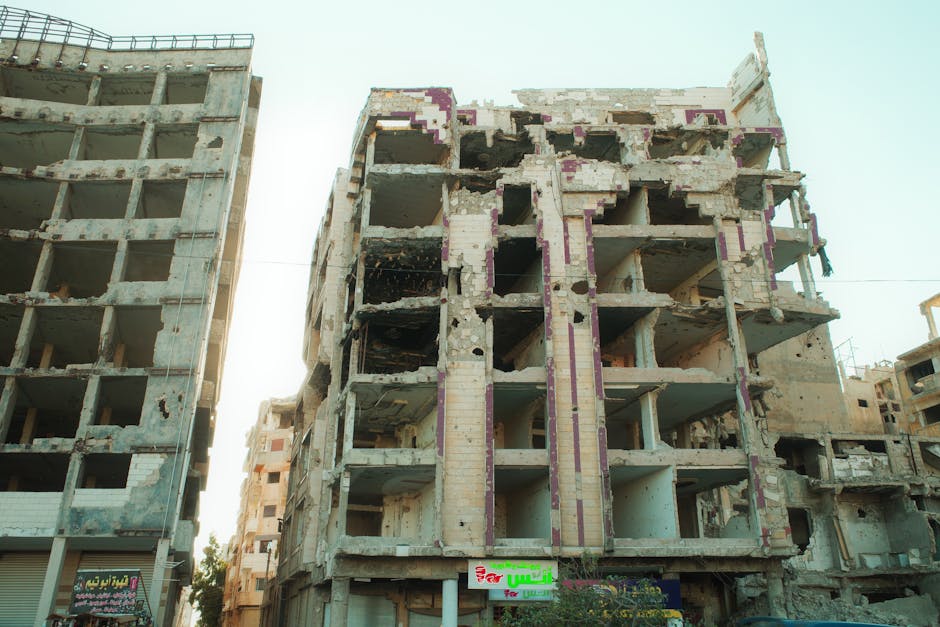
The Stakes for South Asia
The stakes couldn’t be higher. South Asia is a nexus of complex relationships—India, Pakistan, and China all play critical roles. As Rubio’s comments echo across the region, they underscore a reality where U.S. interests are often at odds with regional stability. The historical context matters here; the U.S. has long positioned itself as an arbiter in South Asia, often intervening under the guise of promoting democracy or security. However, this meddling has frequently led to unintended consequences, like heightened tensions or, worse, outright conflict.
Iran’s influence in the region cannot be overstated. The Islamic Republic is a significant player in various conflicts, including those in Afghanistan and Syria, which directly affect South Asia’s security dynamics. When a prominent figure like Rubio suggests a war is inevitable, it signals to regional actors that they need to prepare for a shift in power balances. It can create a self-fulfilling prophecy as nations jockey for position, potentially igniting a powder keg of existing rivalries.
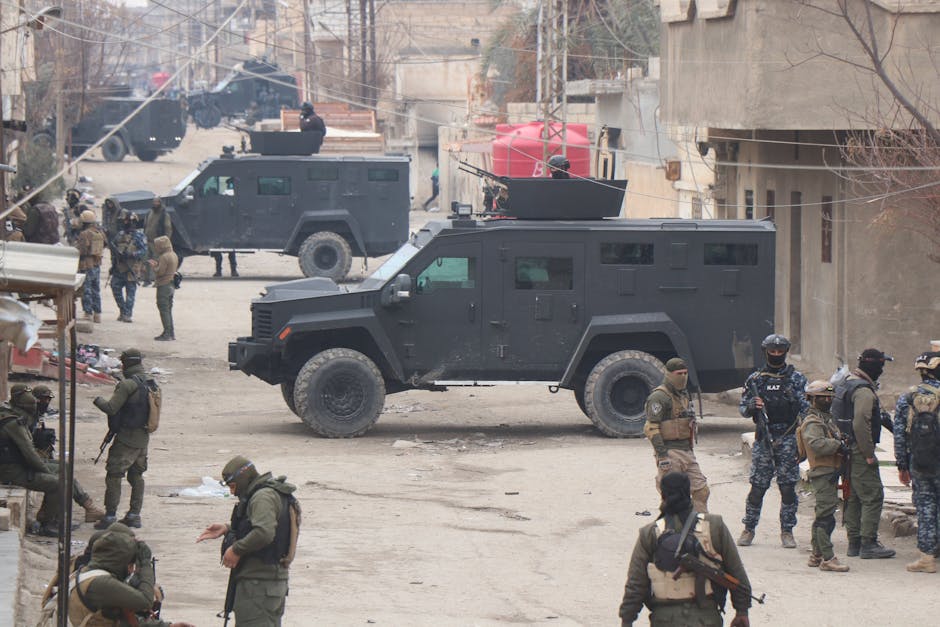
A Grim Hot Take
So, who stands to win or lose if the U.S. does engage militarily in Iran? On one side, hawks in Washington may believe they can curtail Iran’s influence through a show of force. However, the reality is far messier. An Iran war would destabilize not just the Middle East but ripple through South Asia, complicating relationships already strained by years of conflict and mistrust. The mainstream narrative often overlooks these connections, focusing solely on Iran’s nuclear ambitions while neglecting the ramifications of a military response.
Moreover, a war could embolden extremist groups, as we’ve seen in past conflicts. The potential fallout includes increased terrorism, refugee crises, and a strain on resources across South Asia. The ramifications may extend even further, complicating global markets and diplomatic relations, especially for countries like India that are grappling with their own internal challenges.
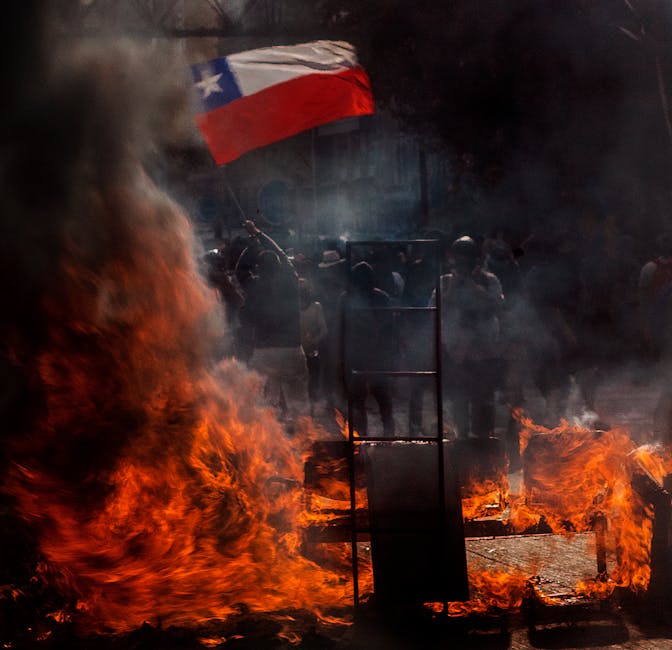
Rubio’s comments serve as a stark reminder that U.S. policy can create a chaotic feedback loop, where the mere suggestion of war can spur rivalries and alter alliances overnight. The mainstream media may highlight the immediate implications for U.S. security, but the broader consequences for South Asia deserve equal scrutiny.
As we look ahead, the question lingers: Are we prepared for the fallout of a conflict that could reshape the geopolitical landscape of South Asia? The stakes are high, and it’s time we shifted the focus from rhetoric to responsibility.
That tension around looming iran is not going away.
Source: Google — South Asia