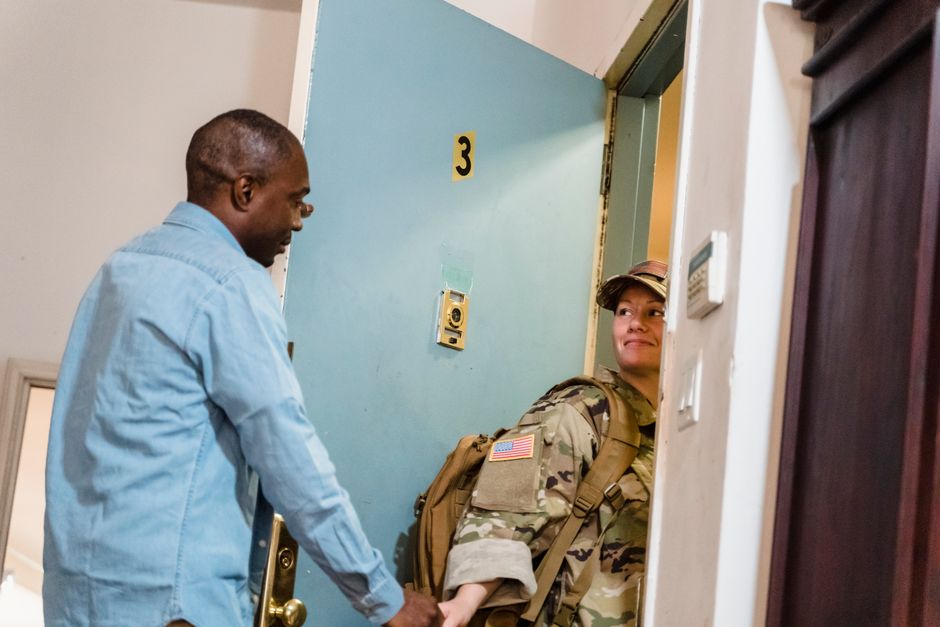
The **Top US general** chimed in this week with a statement that, in saner times, would be utterly unremarkable, yet today feels like a necessary anchor in a choppy political sea, addressing concerns about military involvement in the upcoming November elections. One almost expects a collective sigh of relief, quickly followed by a cynical chuckle.
The general’s remarks, as reported by Al Jazeera, came amidst a simmering cauldron of political anxiety. With the November elections drawing closer, Democrats have voiced explicit concerns about the potential for military interference – a phrase that, until recently, would have sounded wildly conspiratorial on US soil. The military, traditionally held as an apolitical institution, now finds itself in the uncomfortable position of having to publicly reaffirm its commitment to that very principle. This isn’t just about a general speaking; it’s about the erosion of trust that makes such a declaration necessary in the first place.
What landed
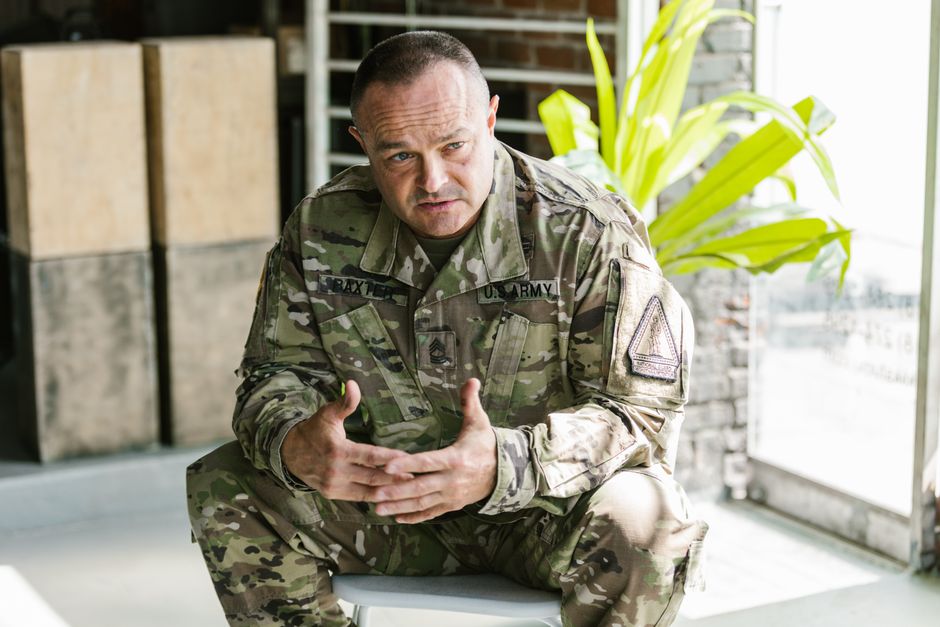
The core message from the unnamed **Top US general** was commendably direct: there are “no plans to send troops to polls for November elections.” In an era where political discourse often feels like a linguistic maze designed to obscure rather than clarify, this straightforward declaration offers a rare moment of lucidity. It’s a statement that, on its surface, should provide a calming balm to those genuinely worried about the integrity of the electoral process.
Credit where it’s due: for a military leader to publicly address such a politically charged hypothetical is a delicate dance. The general’s statement, devoid of embellishment or equivocation (at least as reported by Al Jazeera), serves as a crucial reaffirmation of civilian control over the military and the sanctity of the democratic process. It sends a signal, both domestically and internationally, that the US military remains committed to its constitutional role, distinct from partisan politics. It’s an encouraging sign that, despite the political tumult, fundamental democratic guardrails are at least being acknowledged, even if their resilience is continually tested. The implicit message is clear: the ballot box is for ballots, not boots.

What doesn’t add up
While the general’s statement provides a measure of reassurance, the choice of phrasing leaves ample room for the kind of skeptical scrutiny Waqya.com readers have come to expect. “No plans” is not “never will.” Plans, as we all know, are fluid entities, subject to revision, adaptation, or even outright abandonment depending on unfolding circumstances. This isn’t to suggest malice or a hidden agenda, but merely to observe that political assurances are often couched in language that provides wiggle room, should the political winds shift. One might wryly note that “no plans” is a comfortable spot to be in, right until the moment one *develops* a plan.
Furthermore, the declaration specifically addresses “sending troops to polls.” While this is undoubtedly the most overt and alarming form of potential military interference, it begs the question of other, more subtle forms of involvement. What about cyber security assistance that could be perceived as interference? What about rhetorical interventions from retired, but still influential, military figures? The scope of “interference” is far broader than just uniformed personnel standing sentinel at ballot boxes. The very necessity of such a statement from a **Top US general** underscores a broader, unsettling tension: that the military’s traditional apolitical stance is now under such strain that it requires explicit public reiteration. It highlights a contradiction between the ideal of an insulated military and the reality of a political environment where its neutrality is actively questioned. The concerns from Democrats, after all, didn’t materialize out of thin air.
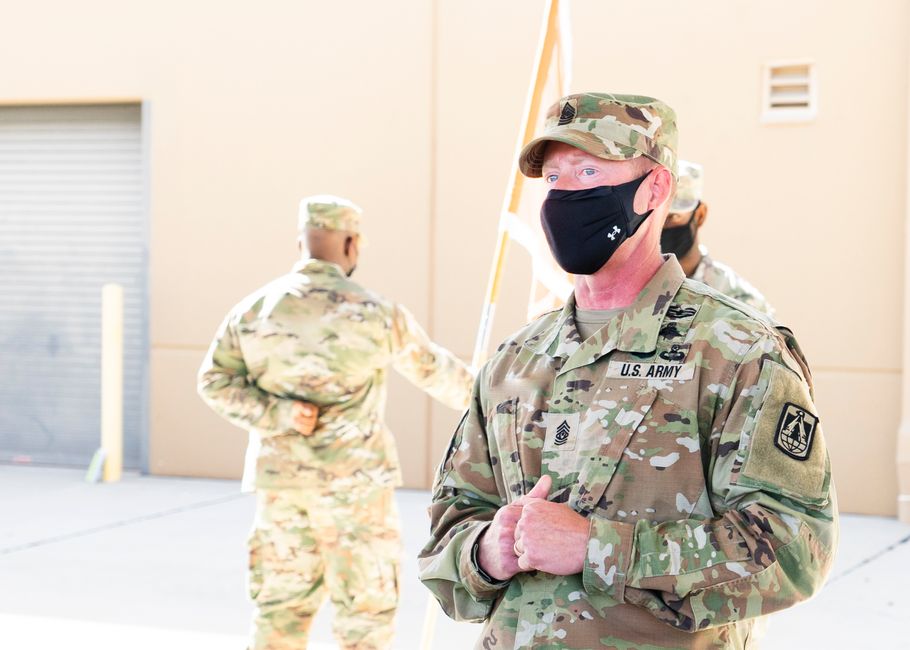
So, what changes Monday morning? Perhaps a few anxieties are quelled, a few headlines shift. But the underlying unease that necessitated the general’s remarks will likely persist. The very act of a **Top US general** having to assure the public that the military won’t interfere in elections speaks volumes about the current state of democratic norms. It’s a temporary balm, not a cure, for the deep-seated mistrust that now haunts the political landscape. The integrity of the November elections, it seems, remains a collective responsibility, far too weighty to rest solely on the words of a single, albeit important, military leader.
Source: OnTheRecord