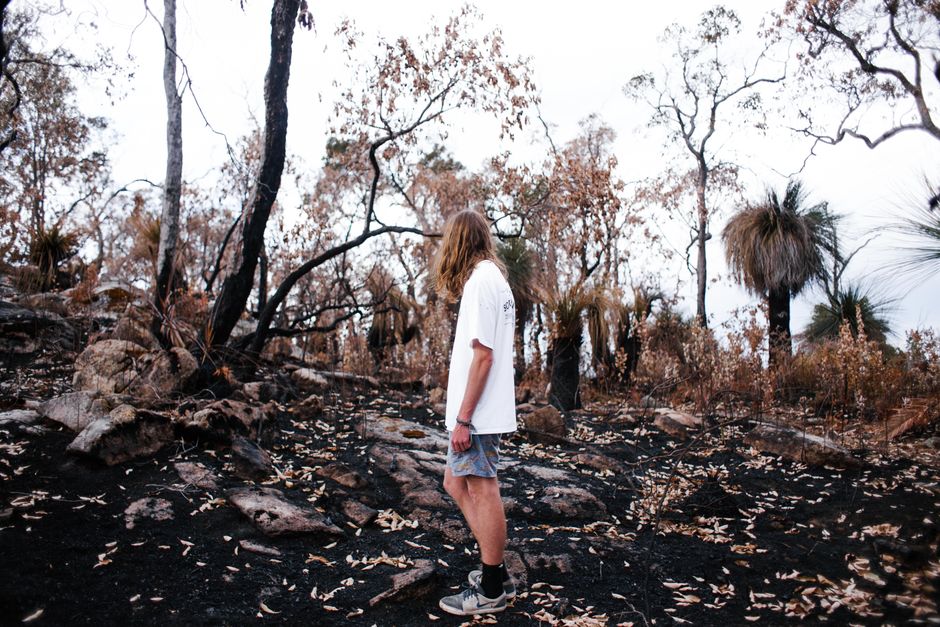
Forget the raging infernos on your screen for a moment. Forget the apocalyptic skies and the desperate pleas for action. The uncomfortable truth about the vast majority of wildfires isn’t some act of God or inevitable consequence of a warming planet. It’s us. It’s **people**.
According to NPR Science, over three-quarters of all wildfires in the U.S. stem directly from human behavior, encompassing everything from accidental blazes to outright arson and simple negligence. This isn’t about natural lightning strikes or volcanic eruptions; this is about our collective carelessness and, at times, malice.
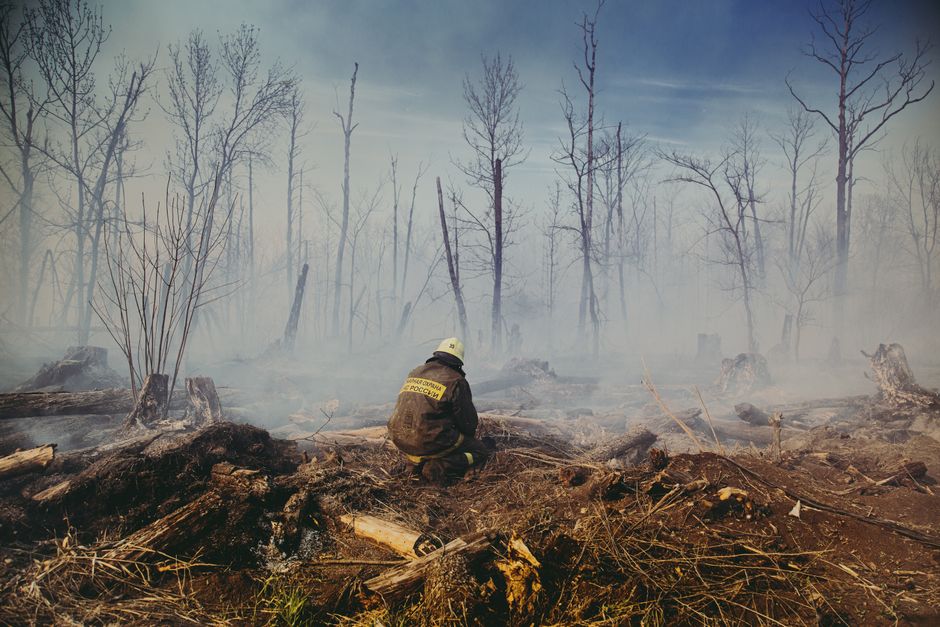
The Human Element in Wildfires
This stark statistic arrives at a crucial moment, as the debate around climate change and environmental policy dominates headlines and government agendas. For years, the narrative has been almost exclusively focused on rising global temperatures and prolonged droughts, positioning these catastrophes as an inevitable consequence of industrialization. While climate certainly exacerbates conditions, this new data from NPR Science forces a re-evaluation of where the true immediate responsibility lies.
It shifts the focus from abstract global warming models to tangible, everyday actions. The actions of ordinary **people**, whether it’s an unextinguished campfire, a carelessly flicked cigarette butt, or an illegally burned pile of debris, are the dominant ignition source. This isn’t just a scientific detail; it’s a political and social bombshell, demanding that we look inward rather than constantly pointing fingers elsewhere.
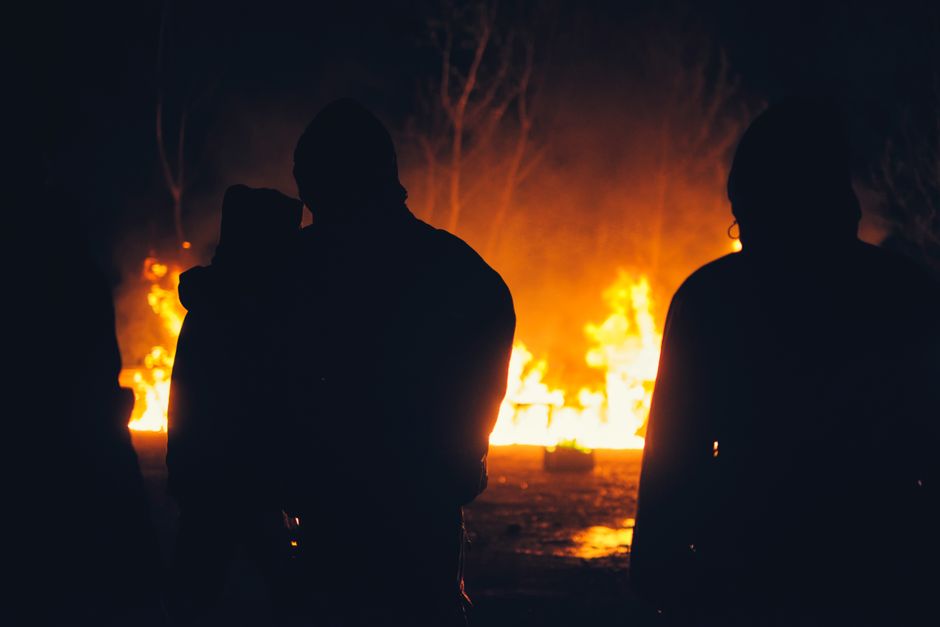
The players in this grim drama are not just the climate activists and energy titans. They are every hiker, every homeowner, every weekend camper. They are also the policymakers who have, perhaps conveniently, focused almost solely on macro climate initiatives, sometimes at the expense of addressing the micro-level human behaviors that directly spark these destructive events. As we look ahead to another week of political maneuvering and media punditry, this fact should profoundly alter the conversation.
The Real Ignorance Fueling the Flames
Here’s the blunt reality: the pervasive focus on climate change, while critical for long-term planetary health, has inadvertently become a convenient shield for immediate human accountability regarding wildfires. It allows us to offload blame onto an existential, global threat, rather than confronting the messy, uncomfortable truth of our own negligence. This isn’t to absolve humanity of the larger climate conversation, but it demands that we stop ignoring the primary match in the hand of **people**.
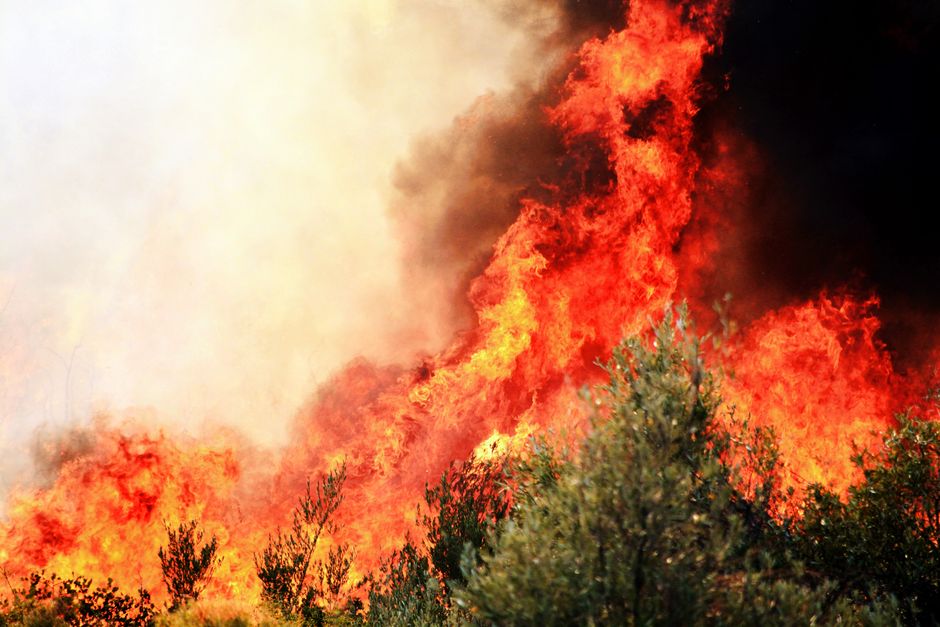
What are we missing? We’re missing a public discourse that prioritizes personal responsibility and immediate, local prevention strategies with the same fervor we apply to carbon emissions. Where are the nationwide campaigns on fire safety that highlight the human element with the same urgency as warnings about extreme weather? The stakes are immense: homes are lost, lives are threatened, and ecosystems are irrevocably damaged, all while we argue about the symptoms rather than the most common cause.
Consider the political implications. It’s far easier for politicians to champion grand, global climate agreements than to enforce stricter local fire safety codes or invest in comprehensive public education on preventable ignitions. Who wants to be the one to tell campers they can’t have campfires, or to prosecute homeowners for burning yard waste? Yet, these are the very actions that, according to the data, make the most immediate difference. When we talk about the real cause of most wildfires, it’s not some abstract force; it’s **people**. This wilful blindness to the direct impact of human actions costs billions and ruins countless lives annually.
The win-lose scenario is stark. We all lose when communities burn, but the biggest losers are those whose lives are upended by fires that were entirely preventable. The cynical “win” goes to those who prefer to keep the narrative simplified, allowing them to sidestep the complex, community-level interventions required to truly tackle this problem. Until we confront the uncomfortable truth about our own role in these escalating catastrophes, until we demand accountability not just from politicians but from ourselves, the smoke will continue to choke our skies. And the cycle of destruction, ironically, will remain entirely in our hands.
Source: NPR Science