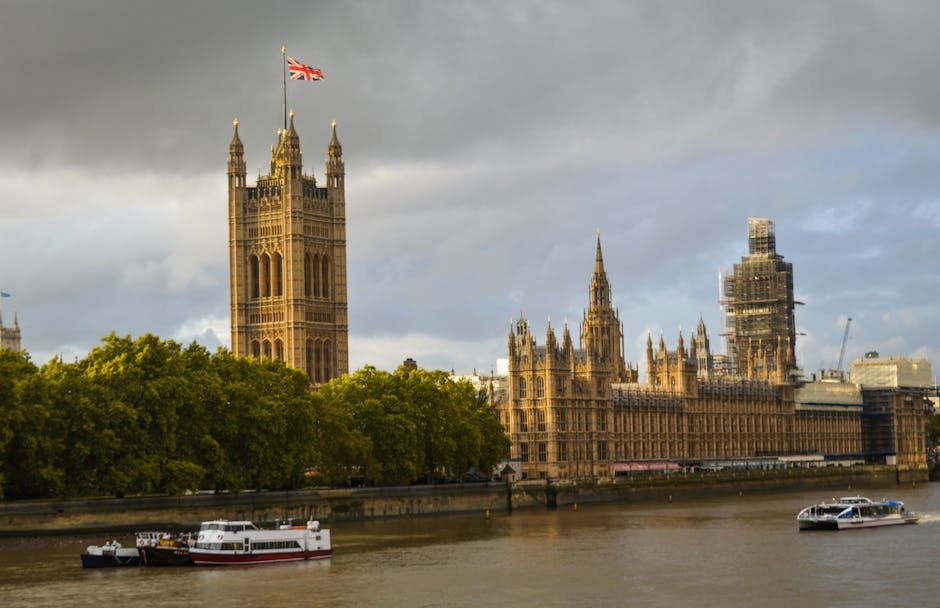
The idea of rejoining the European Union is not just a political maneuver; it’s an admission of failure from Labour leader Keir Starmer and his beleaguered party. In a time when the UK is grappling with the ramifications of Brexit, the prospect of Labour flirting with the notion of rejoining Europe reveals a desperate scramble for relevance and credibility.
According to the Hungarian Conservative, reports suggest Labour is contemplating the possibility of rejoining the EU, amidst a crisis that has left Starmer’s leadership under fire. The political winds are shifting, and Labour’s flirtation with Europe could mark a pivotal moment in the UK’s post-Brexit identity.
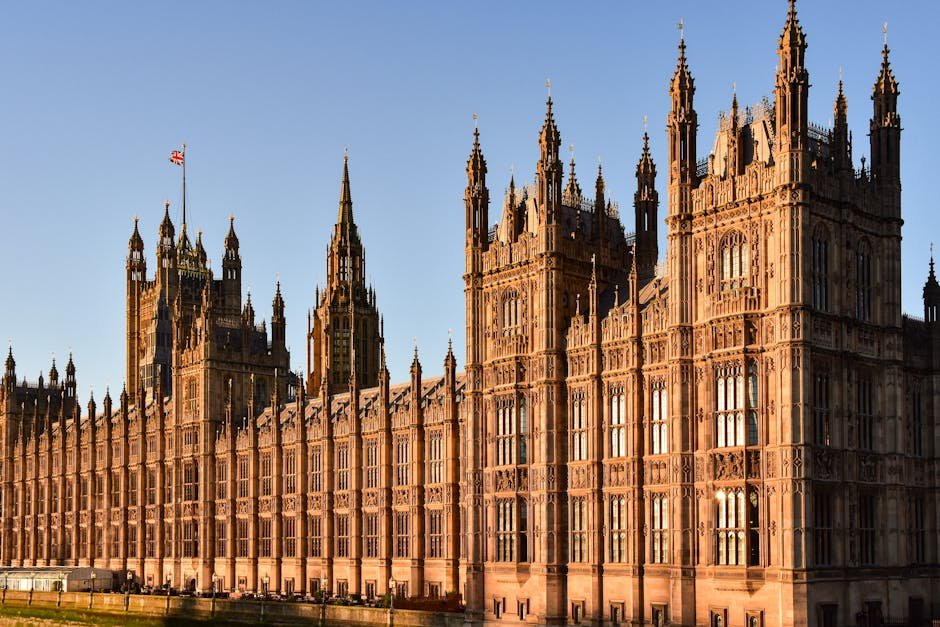
The Context of Labour’s Europe Dilemma
So why is this conversation surrounding Europe surfacing now? The UK has been navigating a turbulent journey since Brexit, with economic indicators flashing warning signs and public sentiment swinging like a pendulum. Starmer, who once embraced a hard stance on Brexit, now finds himself steering a party that is increasingly questioning the ramifications of leaving the EU. It’s a peculiar twist in the post-Brexit narrative, but then again, what isn’t peculiar in British politics these days?
The party’s backtracking can be attributed to several factors: economic challenges, a divided electorate, and a burgeoning sense of nostalgia for the stability that EU membership purportedly offered. There’s also an ever-looming threat from small yet impactful parties and movements advocating a return to Europe. This isn’t just about Brexit anymore; it’s about Labour grasping at straws in a changing political landscape.
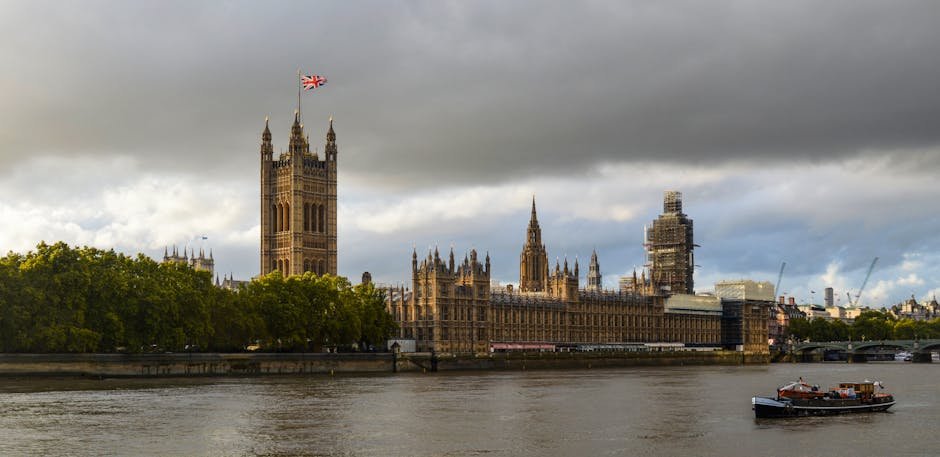
The Hot Take: Winners and Losers in the Europe Debate
Let’s be real: this isn’t just a policy discussion; it’s a high-stakes gamble for Labour. If they successfully pivot toward rejoining Europe, they risk alienating their core supporters who voted for Brexit. On the other hand, failing to embrace this sentiment could lead to further erosion of Labour’s base, especially if other parties capitalize on the discontent surrounding current economic hardships.
While the mainstream narrative might suggest that this is merely an exploratory conversation, it’s much more significant. This is about reconciling the party’s identity, wrestling with the ghosts of past decisions, and navigating a fractious electorate. The stakes are high: a growing number of Brits are yearning for the benefits of Europe while simultaneously feeling betrayed by the very system that led them to Brexit. If Labour misreads this mood, they could drive their party deeper into irrelevance.
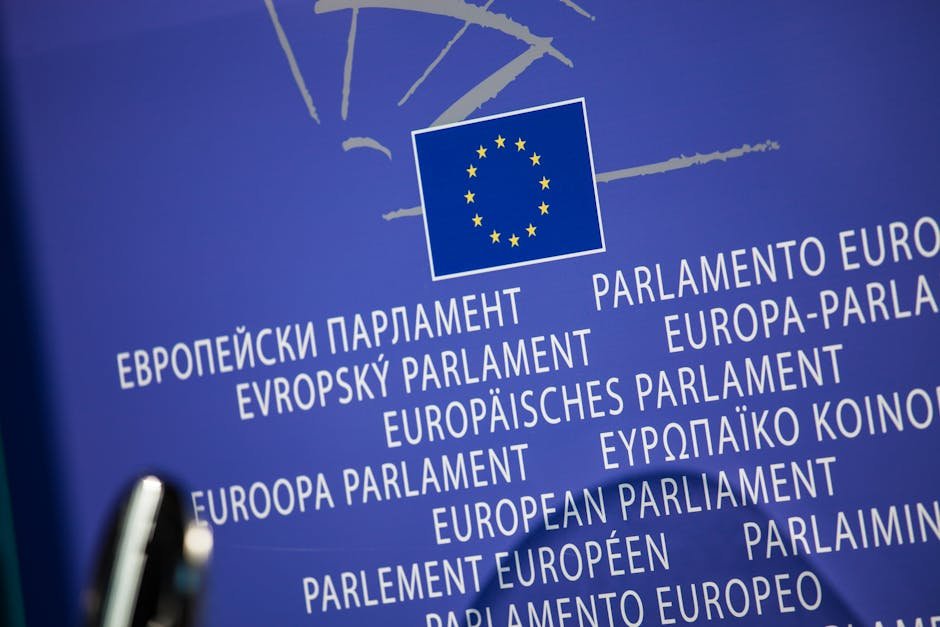
What remains clear is that the conversation around Europe is not going to fade away quietly. If Labour chooses to make a serious move towards rejoining, they’ll need to construct a compelling narrative that resonates with the public’s mixed feelings about the EU. The potential for backlash is enormous, but so is the opportunity to reclaim the narrative on Europe.
In a political landscape that seems to shift daily, one question lingers: is Keir Starmer bold enough to lead Labour back to Europe, or will he continue to play it safe and risk being left behind? With the stakes this high, it’s time to find out. The debate surrounding Europe isn’t just a footnote in Labour’s story; it could very well redefine it.
Source: Google — UK & Europe