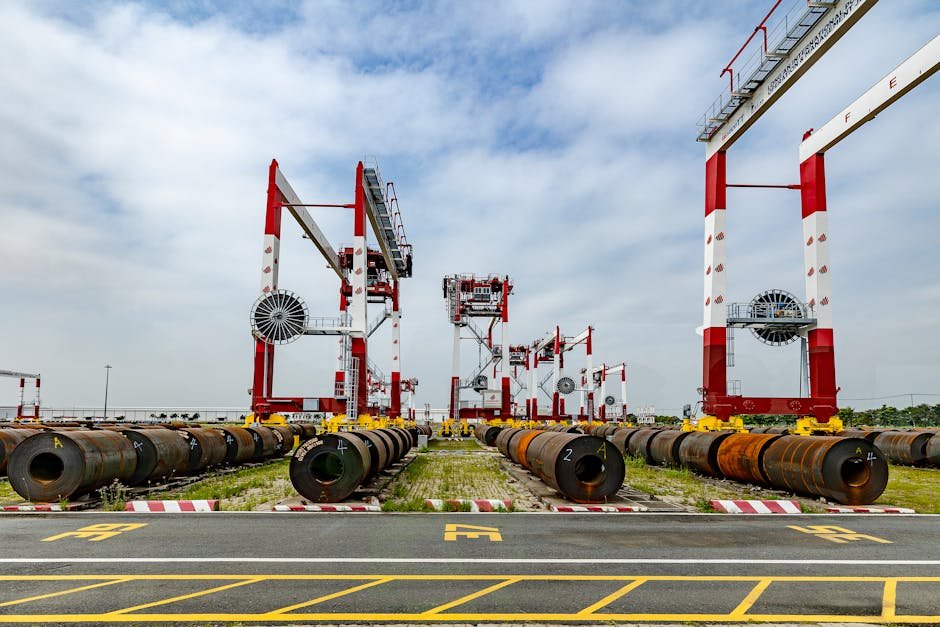
Steel Quota frames the debate here: The notion that the UK can negotiate its way out of steel import quotas as if it’s just a friendly chat with neighbors reveals a fundamental misunderstanding of how trade relations work in Europe. What makes the UK think it can pull the wool over the EU’s eyes after Brexit?
According to GMK Center, the United Kingdom is currently in talks with the European Union to gain an exemption from steel import quotas, a move that raises eyebrows across the continent. This negotiation is crucial for the UK steel industry, which has been struggling post-Brexit and faces stiff competition from global steel markets.
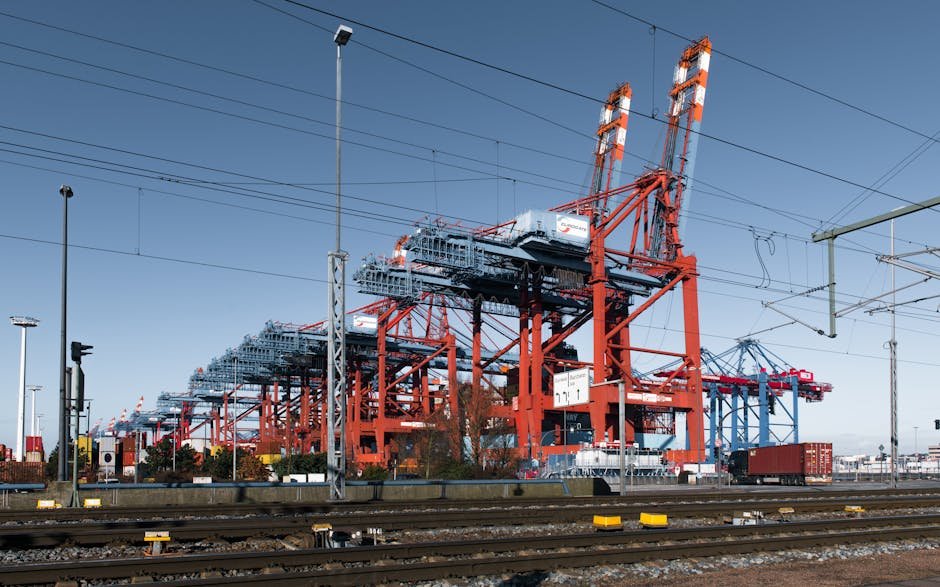
The Stakes for Europe and the UK Steel Industry
This situation is not just a matter of numbers and quotas; it’s a reflection of the ongoing struggle between the EU and the UK following the latter’s exit from the union. The UK steel industry is hoping to gain a lifeline as it grapples with production challenges exacerbated by rising energy costs and global overcapacity. The EU, on the other hand, has established these quotas as a means of protecting its own steel producers, ensuring they aren’t drowned out by cheaper imports.
This moment is crucial because it reveals the deep-seated tensions that still exist between the UK and Europe. Just because the UK is no longer part of the EU doesn’t mean it can dictate terms or believe it can simply opt-out of established rules. The EU is not the villain here; it’s simply defending its market and its producers. The question of whether the UK can successfully negotiate its exemption will set a precedent for future trade relations and could either lead to a new era of cooperation or deepen the rift that Brexit created.
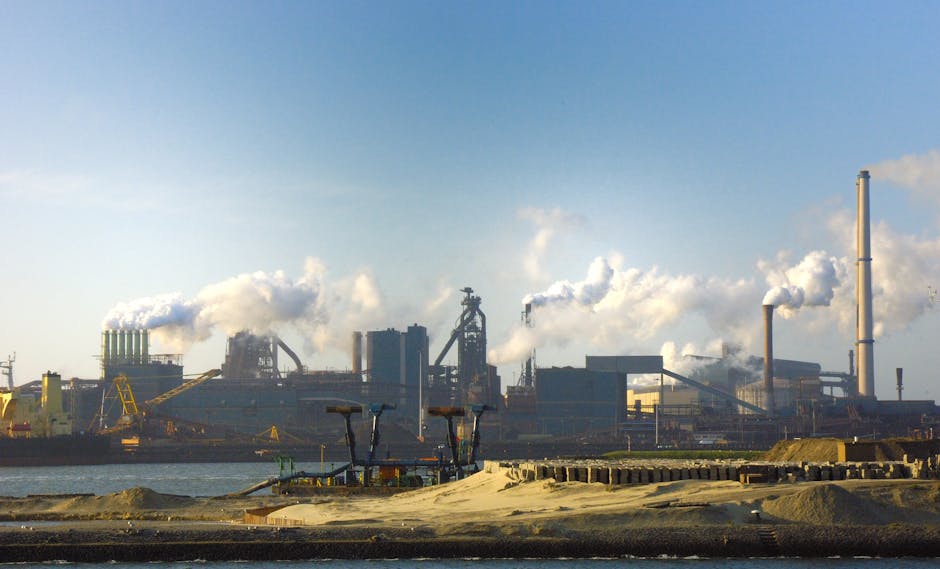
A Fragile Balance: Who Wins and Who Loses?
The irony here is palpable. The UK, having long argued for a free market, now finds itself at the mercy of the very trade rules it once sought to influence from within the EU. If the UK succeeds in getting an exemption, it could provide a much-needed boost to its steel industry. However, it would come at the expense of EU producers, triggering potential retaliatory measures that could further sour relations.
Meanwhile, if the EU stands firm, it sends a message that the days of UK exceptionalism are over. The balance of power in trade is a delicate dance, and any misstep could lead to increased tariffs, trade wars, or even diplomatic fallout that neither side wants. The stakes are incredibly high for both parties, illustrating the complicated web of interdependence that still exists despite Brexit.
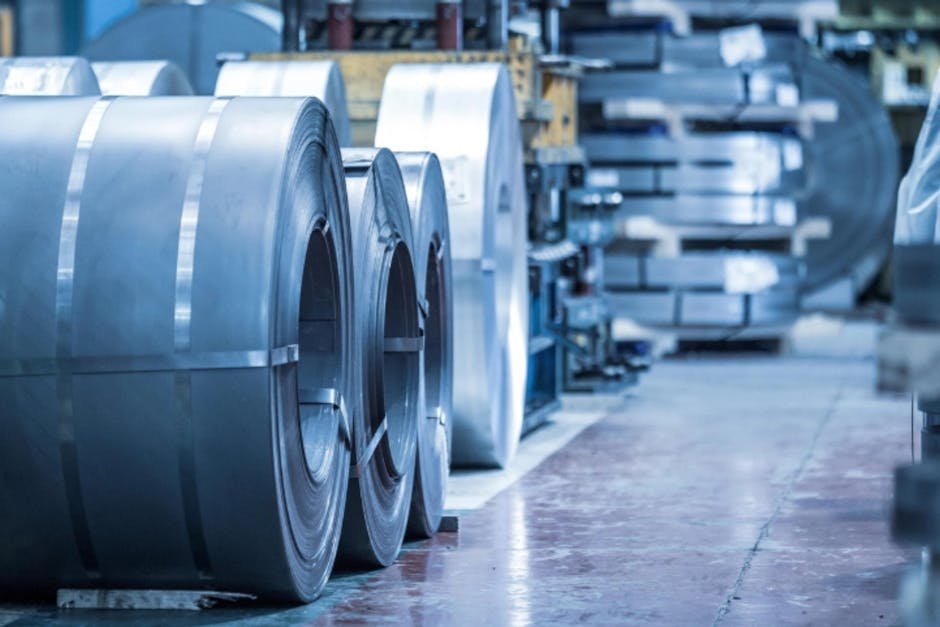
The mainstream narrative tends to portray these negotiations as mere economic transactions, but the underlying reality is that they are steeped in political symbolism. Overcoming this challenge is not just about quotas; it’s about redefining relationships on the continent, establishing respect, and navigating the post-Brexit landscape.
What will happen in these negotiations is anyone’s guess, but one thing is clear: the UK must tread carefully if it wants to play nice with Europe while securing its own interests.
As we watch these talks unfold, we must ask ourselves: Can the UK truly navigate the complex waters of trade in Europe post-Brexit, or is it simply a matter of time before the inevitable consequences of its decisions begin to unravel the fabric of its own economy? The answer may lie in the negotiations that follow, but make no mistake—this is a pivotal moment for both the UK and Europe.
That tension around Steel Quota is not going away.
Source: Google — UK & Europe