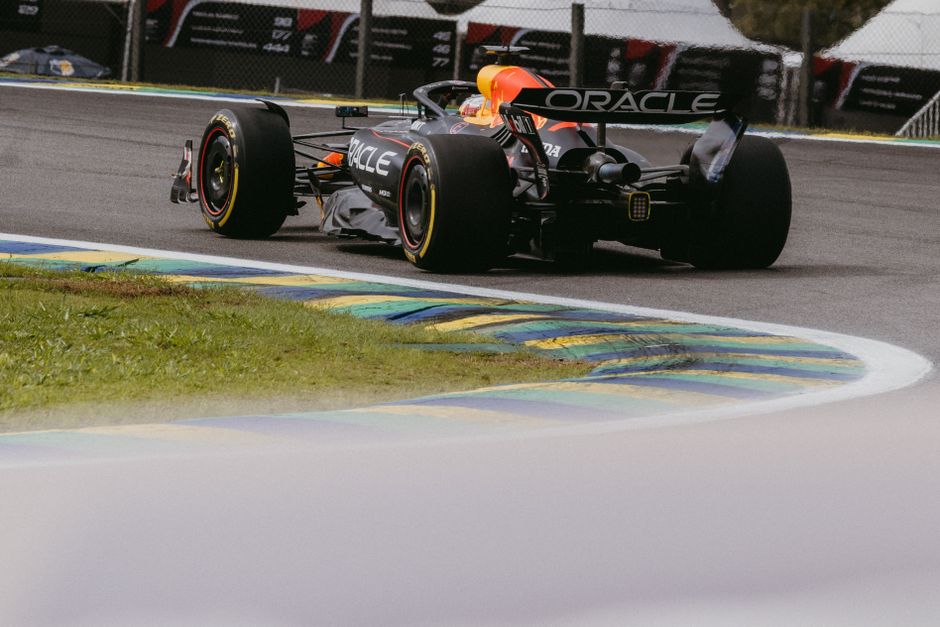
Is Formula 1, once the pinnacle of unpredictable motorsport drama, merely becoming a decade-long victory lap for a chosen few? The news that Max Verstappen has inked a new deal with Red Bull until 2030 certainly makes it feel that way. It’s a move that promises stability but might just deliver a suffocating predictability to the sport.
According to Al Jazeera, the four-time F1 World Drivers’ Champion’s new contract puts to rest earlier rumors that he might exit the dominant team at the end of 2028. This extension locks in one of the sport’s most formidable pairings for the foreseeable future.
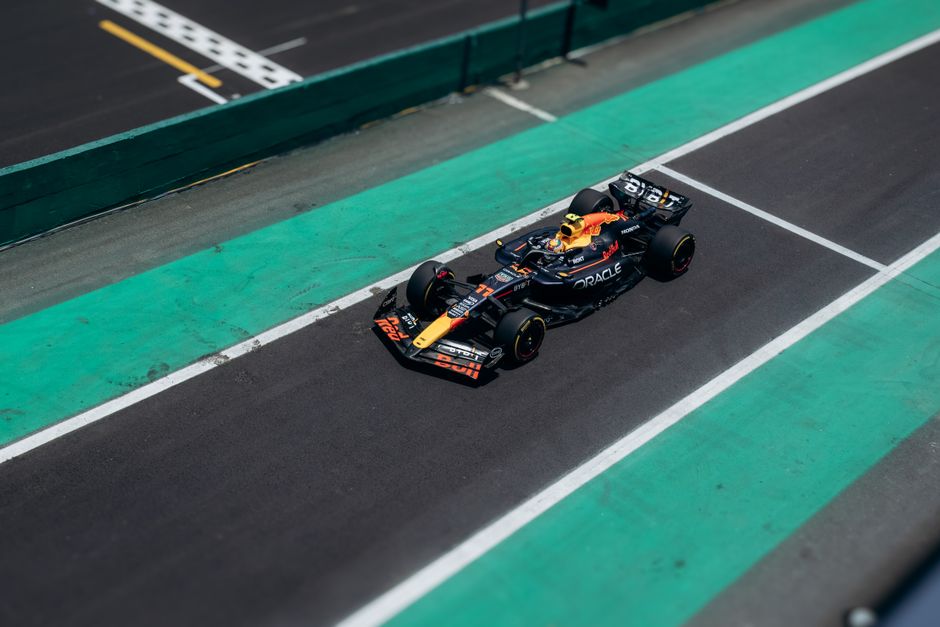
The Reign of Max Verstappen: A Dynasty Forged
This isn’t just another contract signing; it’s a strategic declaration of intent. The extension of Max Verstappen’s tenure until 2030 solidifies what many already suspected: Red Bull intends to maintain its stranglehold on the constructors’ and drivers’ championships for as long as possible. We are witnessing the forging of a genuine dynasty, built around an undeniable talent and a formidable technical team.
What led us here is a combination of factors. Verstappen’s unparalleled skill, honed over years, has met Red Bull’s engineering brilliance, creating a seemingly unbeatable package. His four world championships are not just trophies; they are proof of a symbiotic relationship that has redefined success in modern F1. Rivals have scrambled, but none have truly found an answer to this consistent juggernaut.
This decision also highlights the financial realities of elite sports. Loyalty, for all its romantic appeal, often aligns perfectly with the largest paycheck and the clearest path to continued glory. For Red Bull, securing Max Verstappen means retaining their golden goose, ensuring brand visibility and continued market dominance, especially with new regulations on the horizon.
What This Means for F1: Predictability Over Passion?
So, who truly wins in this extended commitment? Undoubtedly, Max Verstappen secures his financial future and guarantees himself a seat in the sport’s most competitive car, at least for the immediate post-2026 regulation changes. Red Bull, too, breathes a sigh of relief, avoiding the chaos of a driver market scramble and maintaining a clear vision for their technical development. For these two entities, it’s a win-win, maximizing their shared success.
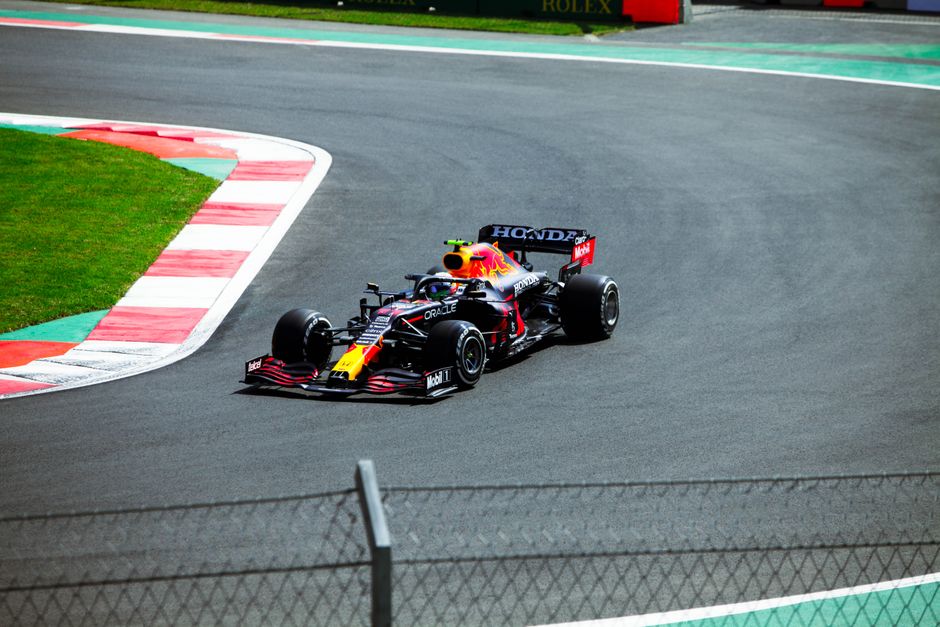
However, the question must be asked: at what cost to the sport itself? The big losers here are the rival teams. Ferrari, Mercedes, McLaren – all were likely holding out faint hopes of luring Verstappen away, creating a competitive shake-up that would have electrified the paddock. Those hopes are now definitively dashed, leaving them to contend with the same formidable foe for years to come. This further entrenches the current power structure, making the climb to the top even steeper for those outside the Red Bull orbit.
Moreover, the casual fan might struggle with the prospect of another half-decade of predictable outcomes. While hardcore enthusiasts appreciate the nuances of engineering and driver skill, many are drawn to the drama, the overtakes, and the genuine suspense of who might win. An extended period of one team’s dominance, while a testament to their brilliance, risks turning races into processions, potentially dampening overall interest. The narrative of the underdog, so crucial to sports appeal, becomes increasingly hard to write when the king has extended his reign so decisively.
Some argue that such stability allows for incredible narratives of sustained greatness, comparing it to other sporting legends. They suggest it elevates the benchmark for all others. While true to an extent, there’s a fine line between consistent excellence and outright monopoly. The sport needs genuine competitive tension, not just individual brilliance. This isn’t about criticizing Max Verstappen’s choice; it’s about examining the broader implications for the global spectacle that F1 aims to be.
This move underscores a growing trend in elite sports: the consolidation of power around a few hyper-dominant entities. It’s a calculated business decision, devoid of much romanticism, prioritizing security and guaranteed success over the thrilling uncertainty that once defined F1. The question now becomes, can F1 truly thrive when its future feels so meticulously pre-written?
Source: Al Jazeera