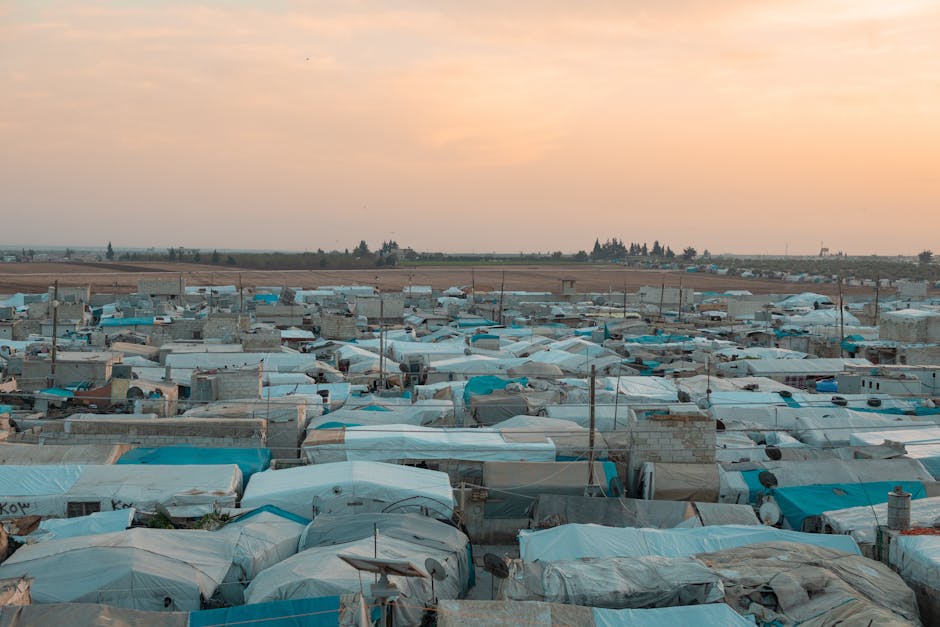
Is Technology frames the debate here: Is technology truly a bridge to a better future, or is it merely a shiny object that distracts us from the harsh realities of life in a refugee camp? In a recent piece that soared in popularity on Hacker News, the journey of a laptop being shipped to a refugee camp in Uganda laid bare the complex relationship between technology and humanitarian aid.
According to Hacker News, a user detailed the intricate process of shipping a laptop to a Ugandan camp, shedding light on both the logistical hurdles and the broader implications of introducing technology into a severely under-resourced environment.
The Context of Technology in Refugee Camps
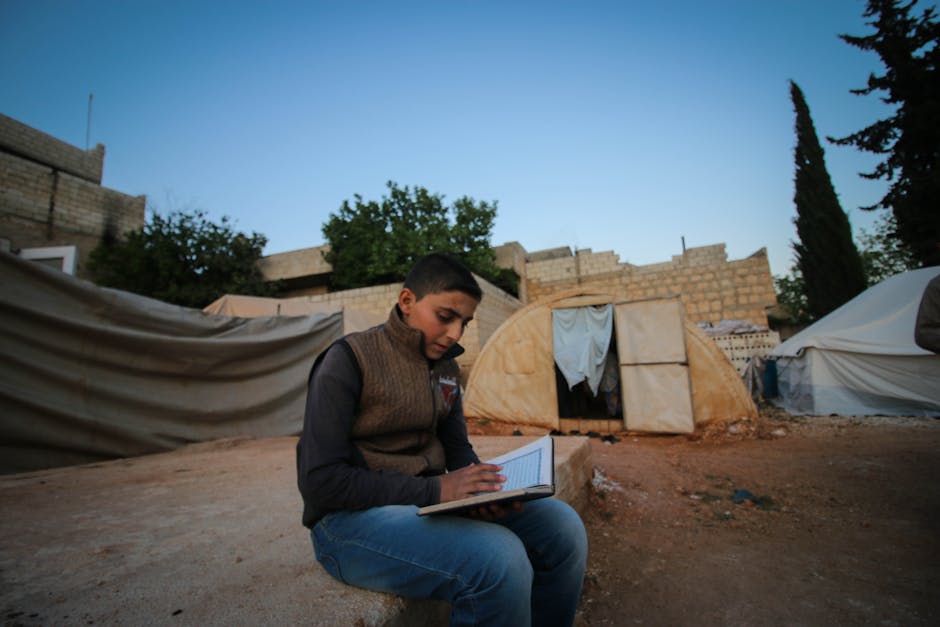
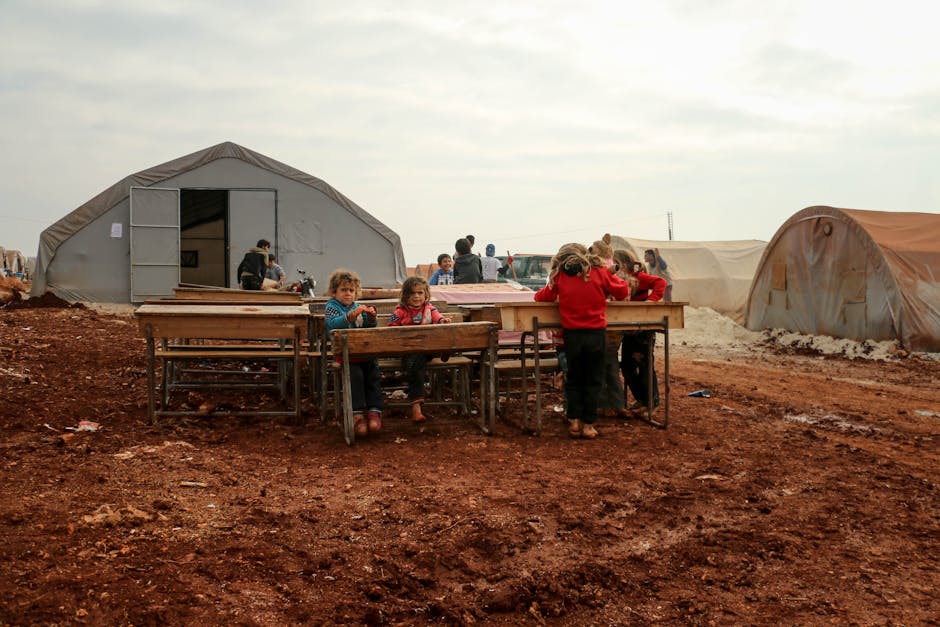
Why does this matter? In an era dominated by digital transformation, the gap between the tech-haves and tech-have-nots is more glaring than ever. Refugee camps are often seen as stagnant spaces, where survival takes precedence over innovation. Yet, the integration of technology could be a game changer, offering educational resources and connectivity that could empower individuals. The players in this situation range from well-meaning tech enthusiasts to international organizations attempting to bridge this digital divide.
However, we must consider the crucial question: is sending a laptop really the solution? While the intention might be to promote education and skills among refugees, it glosses over structural issues like inadequate internet access, lack of reliable electricity, and the sheer complexity of maintaining technology in such environments.
Hot Take: The Double-Edged Sword of Technology
Here’s the raw truth: while the shipment of a laptop to a refugee camp may seem like a benevolent act, it could also signal a misguided approach. Who really benefits here? The recipient of the laptop, yes, but also the sender, who can pat themselves on the back for “doing something.” The stark reality, however, is that without a sustainable framework to support this technology, the laptop could become just another useless piece of hardware in a place where it cannot be effectively utilized.
Moreover, this act raises the question of dependency. Are we equipping refugees with tools for independence, or are we merely providing temporary relief that fails to address the root of their challenges? Critics may argue that any effort is better than none at all, but we also have to confront the risk of creating a narrative where technology is viewed as a panacea rather than a tool that requires a supportive ecosystem.
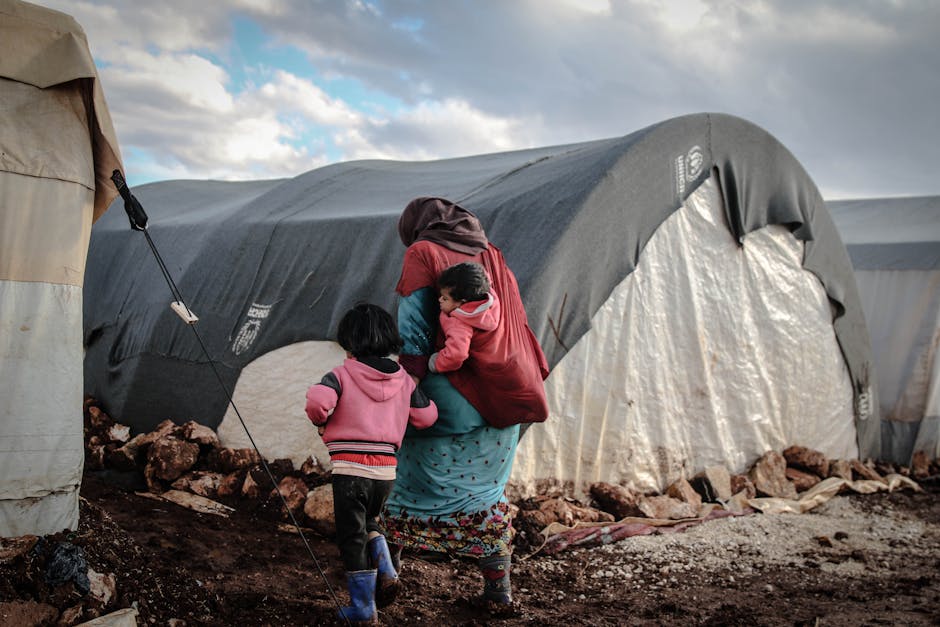
Ultimately, the narrative around technology in humanitarian contexts is fraught with complexities. The mainstream conversation often celebrates the act of giving without fully grappling with the implications. If we continue to treat technology as a mere commodity rather than a component of a larger solution, we risk perpetuating cycles of dependency and disillusionment.
As we wrap our heads around the complexities of this situation, one must ponder: how do we shift our mindset from technology as a gift to technology as a collaborative effort? If technology is to play a meaningful role in the lives of those in refugee camps, we need to elevate the conversation beyond the laptop and into the realm of sustainable solutions that truly empower individuals to shape their own futures. Only then can we say we are using technology for good.
Source: Hacker News Best