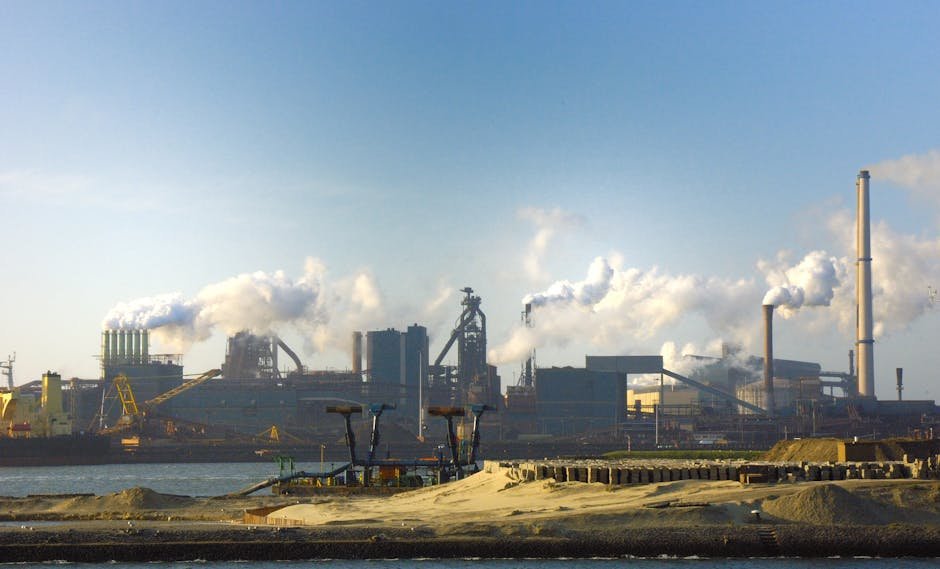
Steel quota crisis frames the debate here: The United Kingdom’s attempts to negotiate an exemption from steel import quotas is a telling sign of the shifting sands of trade politics in Europe. Why is one of the world’s largest economies so desperate for a carve-out in a system it once fully endorsed?
According to GMK Center, the UK is currently engaged in talks with the European Union to secure an exemption from stringent steel import quotas. This move marks a significant pivot in the post-Brexit landscape, where the UK is still finding its footing in a complicated web of international relations.
The Shifting Trade Dynamics in Europe
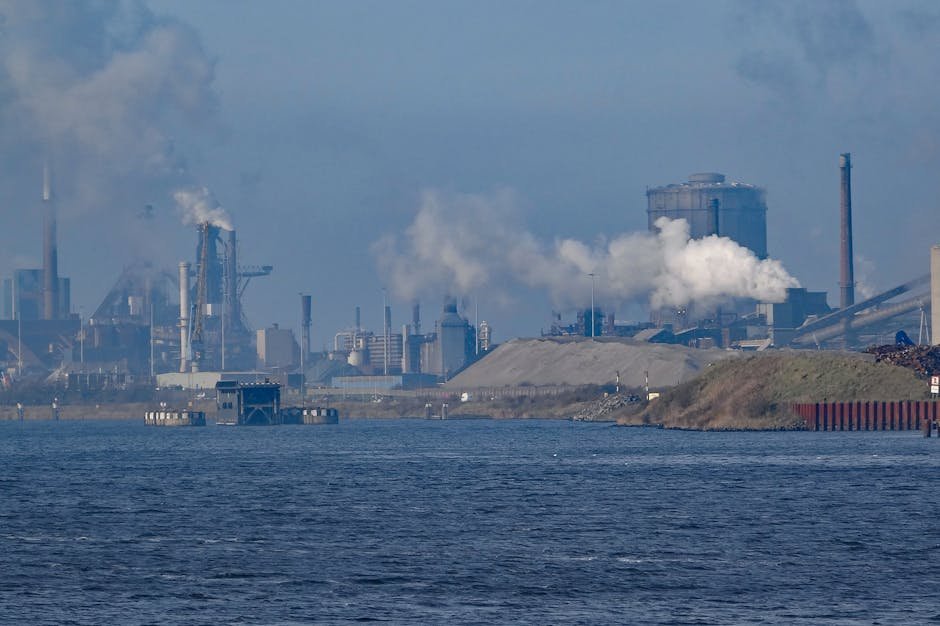
This negotiation isn’t just about steel; it’s about the broader implications for trade relations in Europe. The UK has found itself increasingly isolated after exiting the EU, and its industrial sectors are feeling the pinch. The steel market is emblematic of this struggle. Companies in the UK are facing fierce competition globally, with restrictions like import quotas threatening their survival. The steel industry employs thousands, and as energy prices soar and supply chains falter, this negotiation underscores a desperate bid to protect jobs and keep the economy afloat.
The landscape has grown particularly combative. With many European nations still reeling from the economic repercussions of the pandemic and now grappling with energy crises caused by geopolitical tensions, the stakes have never been higher. The EU’s protective measures weren’t merely to shield its internal market; they were also a response to global market fluctuations. Consequently, the UK’s request for exemptions poses a challenge to those carefully constructed frameworks.
Who Benefits and Who Suffers?
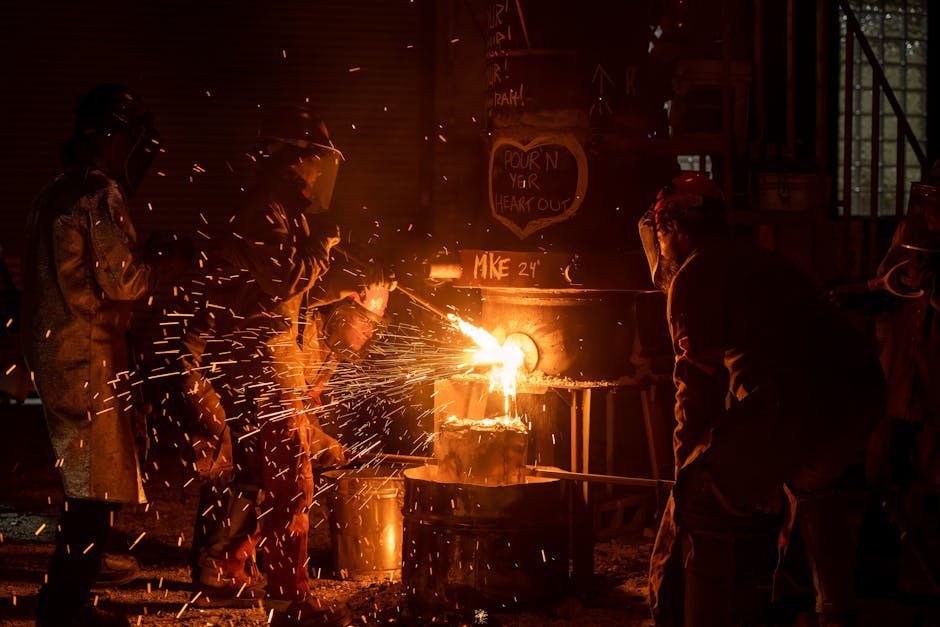
Ultimately, the UK’s negotiations seem to be a double-edged sword. If successful, they could provide the relief necessary for domestic steel producers to survive and thrive. However, such exemptions could draw heavy criticism from other EU nations, who may view them as undermining collective trade rules. The potential fallout could lead to retaliatory measures and further complicate the already strained UK-EU relationship.
But let’s cut to the chase: the UK’s plea exposes a deeper vulnerability. It shines a glaring light on the reality that Brexit was not a panacea for the nation’s economic woes. Instead, it’s becoming increasingly clear that the UK is scrambling to regain its foothold in a landscape dominated by the EU, which still holds the cards. The mainstream narrative often romanticizes Brexit, painting it as a grand leap toward independence. However, the truth is more sobering—the UK is still very much tethered to European economic structures.
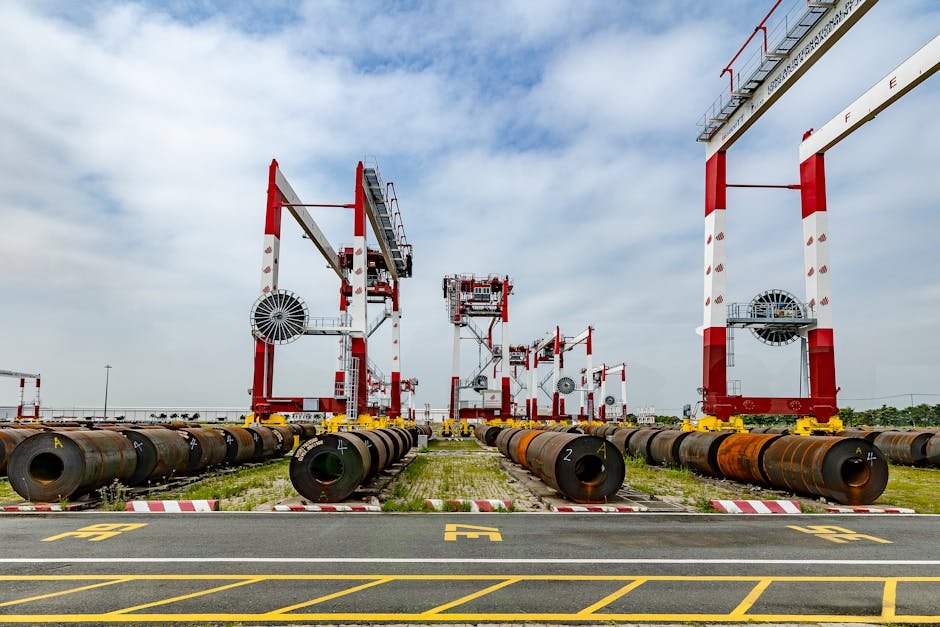
As negotiations unfold, one must wonder: will the UK emerge from this ordeal with its industrial base intact, or will it find itself further entangled in a web of European trade rules that it sought to escape? The future of steel imports is only a piece of a larger puzzle, one that will have lasting implications for the UK’s role in Europe and beyond.
In conclusion, as the UK grapples with steel quotas, it’s not merely an economic issue; it’s a litmus test for its future relations with Europe. The negotiations will reveal whether the UK can carve out a new identity separate from its EU neighbors or if it will remain an awkward player in a game it thought it had left behind. The outcome may redefine the notion of autonomy and cooperation in a continent that has never been more interconnected.
That tension around steel quota crisis is not going away.
Source: Google — UK & Europe