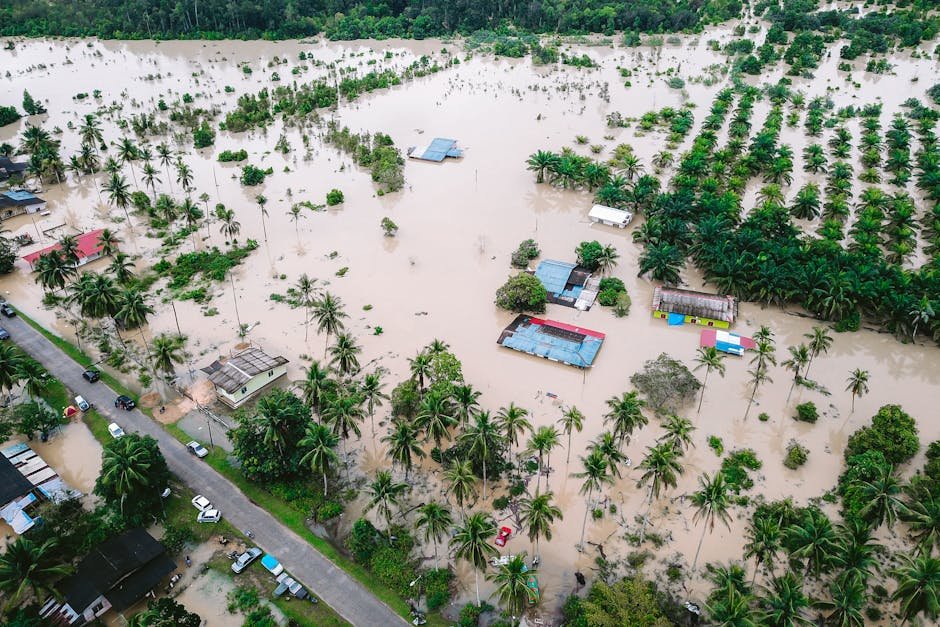
Heavy rain is not just a mere inconvenience; it’s a devastating force that has claimed lives and disrupted communities in East Asia. Are we prepared to face the consequences of our changing climate, or are we merely watching the storm from a distance?
According to the Guardian, twelve people have died in southern and central China due to heavy, prolonged rainfall that has wreaked havoc across the region. The rainfall has caused travel disruptions, electricity outages, and mass evacuations as flash floods and landslides plagued areas that were already vulnerable.
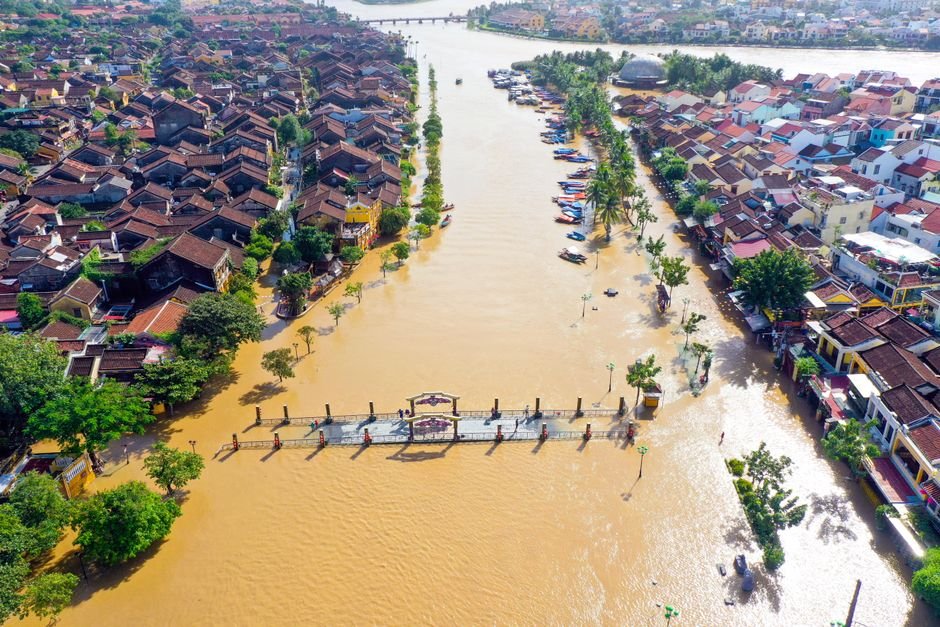
The East Asia Weather Crisis: A Prelude to Disaster
This catastrophe isn’t just a fluke of nature; it’s the product of a climatic crisis that has been brewing for decades. Heavy rain in East Asia is becoming alarmingly frequent, as evidenced by the slow-moving weather systems that recently extended over 620 miles across the region. This is not an isolated incident; it reflects a pattern of ecological upheaval tied to climate change and poor urban planning. When multiple bands of rain converge, as they did from the Bay of Bengal, South China Sea, and Pacific Ocean, the outcome is often catastrophic, revealing the inadequacy of our infrastructure to handle such climatic extremes.
The implications of this crisis extend far beyond the immediate toll of lives lost. The communities affected are often the most poor and marginalized, lacking the resources to recover quickly. As heavy rain continues to plague East Asia, we must confront the reality of climate irresponsibility that has left these areas vulnerable to extreme weather events.
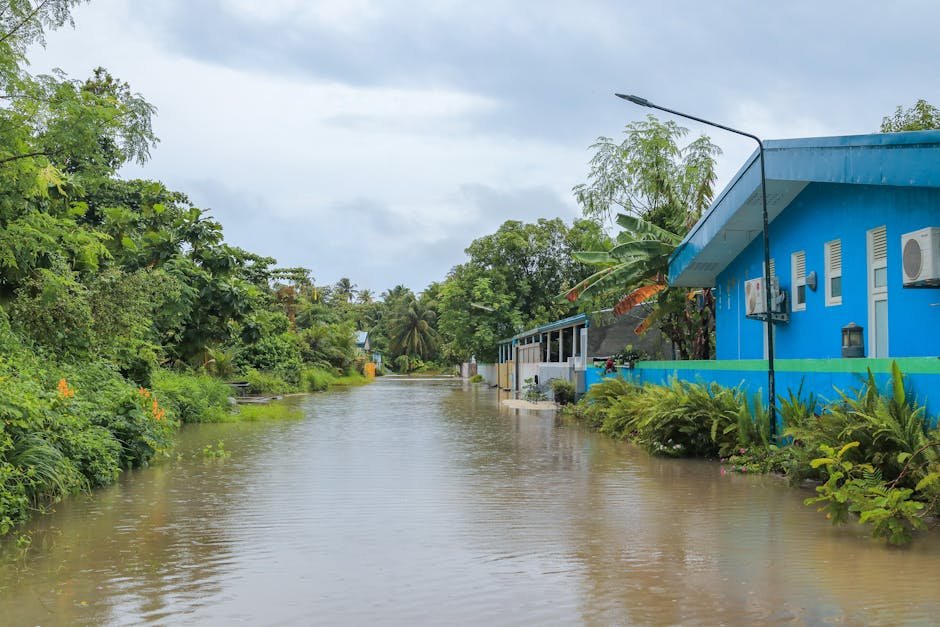
Who Wins and Who Loses in the Aftermath of Heavy Rain
The reality is that while some may benefit from reconstruction contracts and disaster relief efforts, the vast majority of those affected will face an uphill battle of recovery that could take years. The government’s response will likely fall under scrutiny, particularly regarding preparedness and the adequacy of infrastructure to withstand such disasters. The tragedy lays bare an uncomfortable truth: the very systems meant to protect us are often insufficient.
Moreover, the media narrative often skips over accountability. Yes, heavy rain and climate events are global issues, but in East Asia, local governance and long-term planning play crucial roles. Local leaders and policymakers need to be held accountable for their failure to safeguard communities. As the rain pours down, many are left wondering where the funding for infrastructure improvements has gone.
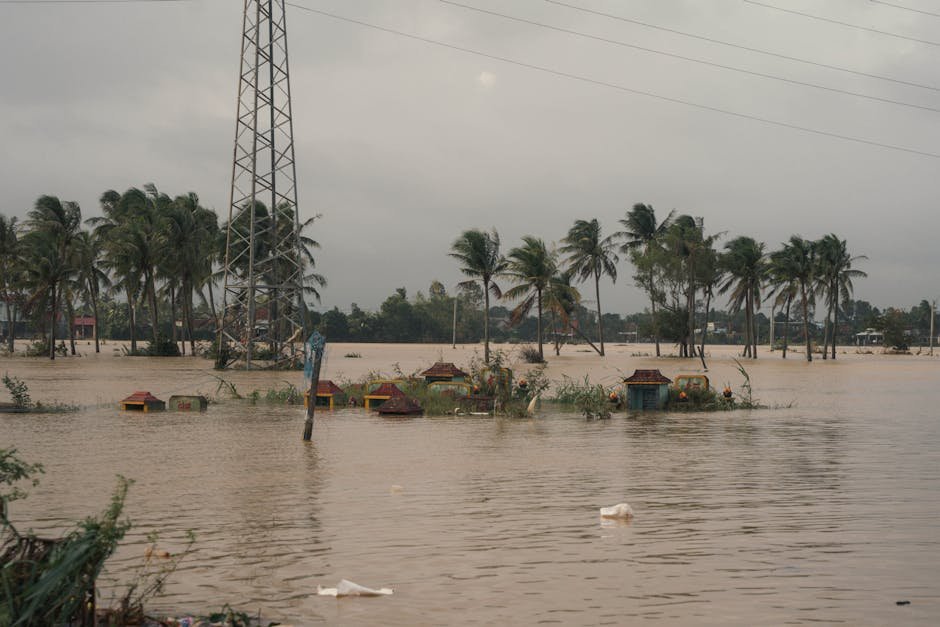
On the flip side, this disaster might trigger a much-needed wake-up call for policymakers. We can only hope that the loss of lives, homes, and livelihoods will galvanize action towards better disaster preparedness and climate adaptation strategies. However, the sprint to recovery could easily turn into a marathon of red tape, corruption, and inadequate resource allocation.
As we peer into this crisis, one can’t help but ponder: what will it take for real change to occur? Will it require more lives lost, or are we finally ready to take climate change seriously? The clock is ticking, and heavy rain is only the beginning.
Source: Guardian World