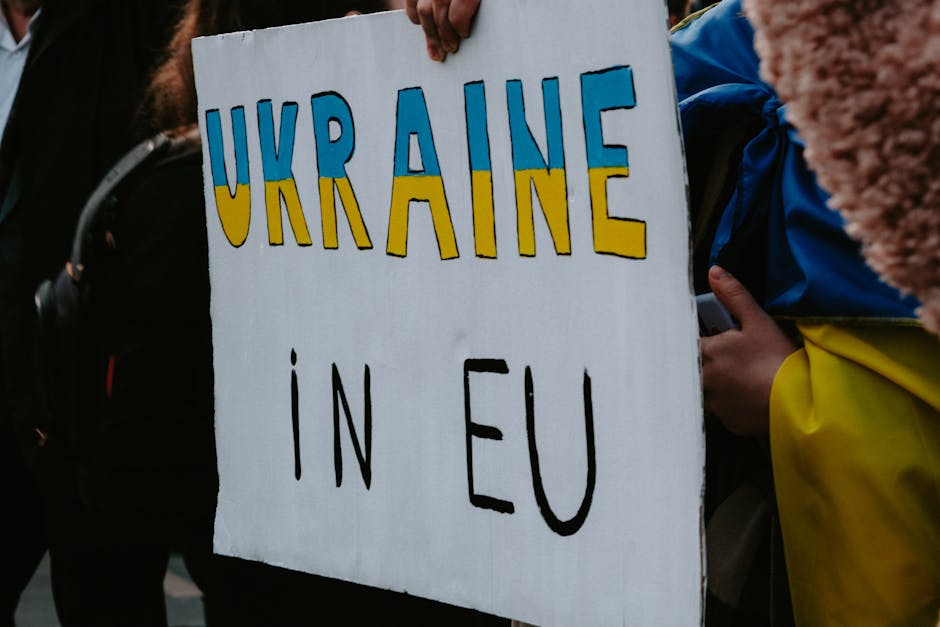
What happens when you give someone a key but deny them entry? This metaphorical conundrum is at the heart of Germany’s recent proposal to grant Ukraine “associate member” status in the European Union, a move that sounds more like a consolation prize than a genuine pathway to integration. According to France 24, German political leader Friedrich Merz argues that this arrangement would allow Ukraine to benefit from the EU’s single market while forgoing voting rights—a scenario that feels less like a hand up and more like a gilded cage.
Why Germany matters now
This discussion comes at a pivotal moment in European politics. With the ongoing war in Ukraine, tensions with Russia, and a growing need for solidarity within Europe, Merz’s proposal seems both timely and tone-deaf. Ukraine has been fighting tooth and nail not just for its sovereignty but also for its place in the European family. To now offer them a seat at the table without the power to influence the menu is a mockery of the sacrifices they’ve made. It’s reminiscent of a patronizing pat on the back at a time when they are desperately seeking full acceptance and agency within the EU.
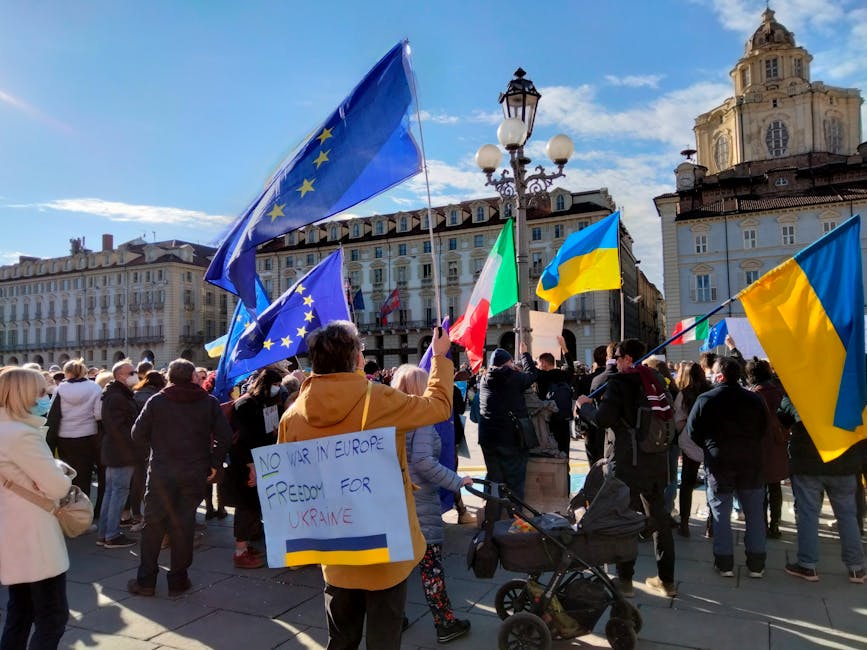
The players in this drama are all too familiar. On one side, we have the EU, a bastion of democratic ideals but also a bureaucratic labyrinth that often seems more interested in maintaining the status quo than adapting to the urgent needs of its neighbors. On the other, Ukraine stands as a symbol of resilience, fighting against an oppressive force, seeking not just support but recognition as an equal partner in European affairs. Merz, representing the German conservative party, is arguably trying to balance domestic politics with international expectations, yet his proposal reeks of compromise that undermines the very essence of what Ukraine is fighting for.
The stakes around Germany
Let’s dissect this hot take: Merz’s idea is more than just a bureaucratic maneuver; it’s a dangerous precedent. It suggests that Europe is willing to extend a lifeline but not a full embrace. By relegating Ukraine to a tier of second-class membership, the EU risks diluting its own values of democracy and equality—values that are fundamental to its existence. This proposal doesn’t just insult Ukraine; it sends a chilling message to other aspirants and current member states alike: you can come to the EU, but your voice will be muted, your rights curtailed.
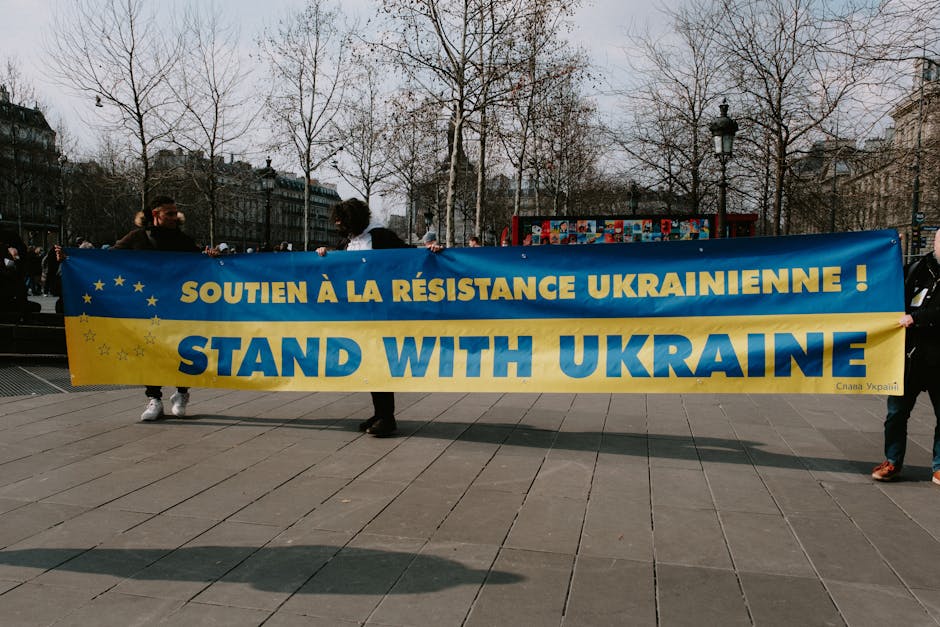
Moreover, the practicality of such a status is questionable. There’s a glaring contradiction in wanting to welcome Ukraine while simultaneously limiting its influence in crucial decisions that will shape its future. If Ukraine is to be an associate member, how will it navigate complex trade agreements, security partnerships, or social policies that directly affect it, without any voting rights? It turns into a façade of inclusion while maintaining a hierarchical system that isn’t just outdated; it’s perilous.
To make matters worse, the timing of this proposal is critically off. With the war’s ongoing toll on Ukrainian sovereignty and the EU’s own struggles to present a unified front, Merz’s suggestion could be perceived as a sign of European indecisiveness. What will this say to the people of Ukraine who are enduring immense hardships for the prospect of a hopeful future that now seems less accessible than ever? The mainstream narrative often glosses over the fact that symbolic gestures do little against the backdrop of a real struggle for liberty and self-determination.
In the end, Friedrich Merz must realize that offering Ukraine a half-hearted membership without the tools to thrive is not a path to unity; it’s an invitation to stagnation. The stakes are high, and the pressure is mounting for Europe to define its role not just as a continental club but as a community of equals. As we move forward, the question remains: will Europe choose to elevate its neighbors or continue to hold them at arm’s length, claiming they’re part of the family while denying them the right to speak? The answer will define the future of not just Ukraine but the entire European project.
Source: Google — UK & Europe