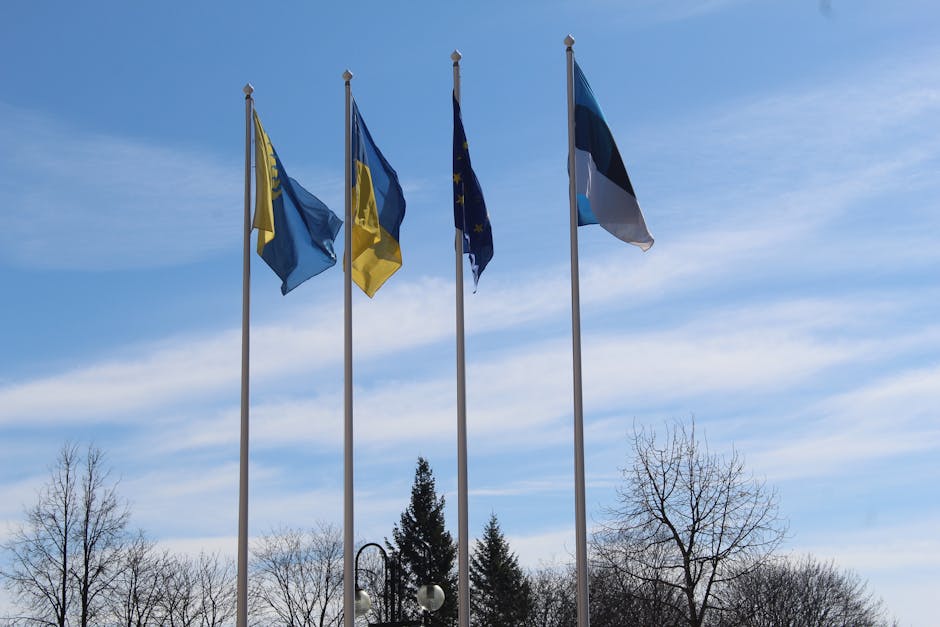
Is it Brussels or bust for Ukraine? President Volodymyr Zelenskyy claims that “the time is right” for Ukraine to kickstart its EU membership bid amid rising tensions with Russia. According to Al Jazeera, his remarks come on the heels of an accusation from Moscow, which is blaming Ukraine for a deadly attack that left 12 people dead at a college.
Why Ukraine matters now
This is not just another political statement; it’s a bold maneuver that reflects both desperation and determination in a geopolitical game that could reshape Europe’s borders. Zelenskyy’s call is a clear signal: Ukraine is all-in on the EU, ready to forge its destiny in the face of Russian aggression. But what does this really mean for the embattled nation, and why is this moment pivotal?
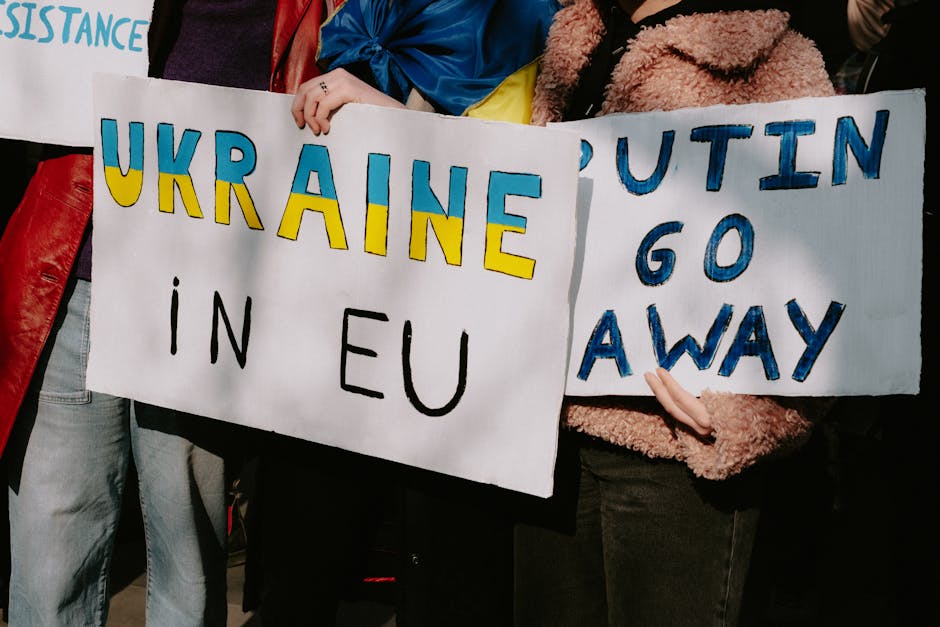
The backdrop is crucial. Ukraine has been embroiled in conflict since 2014, and the stakes are higher than ever. With Russian troops massed at the border and threats of further escalation, Zelenskyy’s bid for EU membership is a calculated gamble. It’s a declaration that Ukraine will not cower under Moscow’s shadow but instead seeks solidarity and support from the West. The EU has made overtures of support, but actual membership is a complex and often frustrating process riddled with bureaucratic red tape and political maneuvering.
The stakes around Ukraine
Yet, this time the stakes are different. Russia’s aggression has unified many in Europe, and there is a growing realization among EU leaders that Ukraine’s fate is inextricably linked to the continent’s security. But let’s be clear: joining the EU is no magic wand. It won’t put an immediate stop to the war or even guarantee Ukraine’s borders. In fact, it may provoke Moscow further.
Here’s where the rubber meets the road. Zelenskyy risks alienating not just Russia but also some EU members who may be hesitant to provoke Vladimir Putin. Nations like Hungary and Austria have historically taken a softer stance toward Moscow, fearing that an openly hostile EU approach might escalate tensions further. If Ukraine pushes too hard, it could find itself isolated within Europe, caught in a web of political contradictions and historical rivalries.
And what about the civilians caught in the crossfire? As rhetoric heats up, so do the stakes for those living in Ukraine. The accusation of a college attack is a reminder that this is not just about politicians’ posturing or geopolitical strategy—this is about real lives. Each civilian casualty amplifies the urgency and the moral imperative for the West to act decisively.
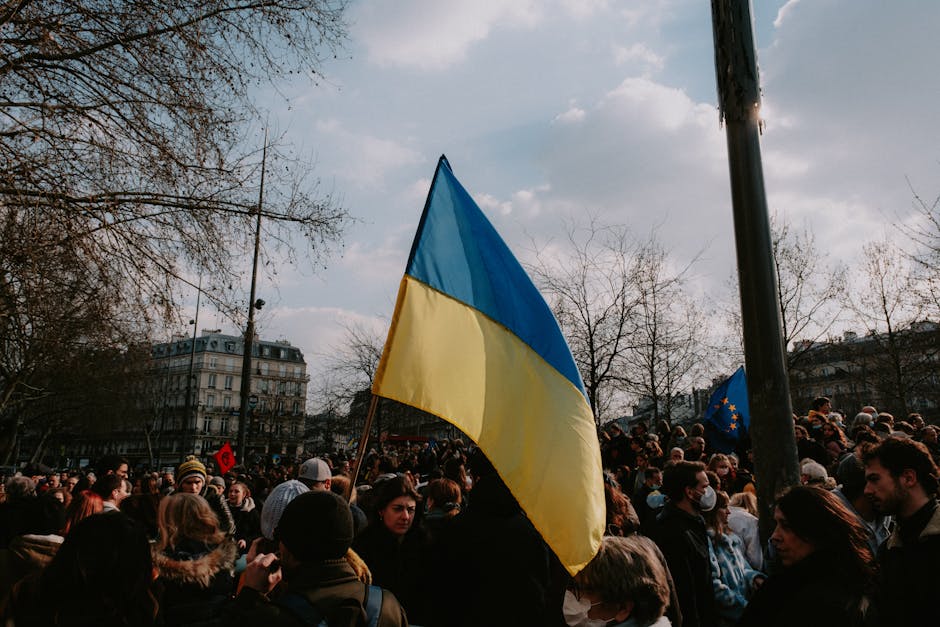
But who truly benefits from this call for EU membership? On the surface, you’d think Ukraine stands to gain immensely from increased support and integration. However, if the EU cannot effectively act to support Ukraine beyond rhetoric, it risks becoming an empty alliance. The West’s historical hesitance to fully back Ukraine should serve as a cautionary tale.
In this high-stakes poker game, Russia also faces a crucial dilemma. With Ukraine looking westward, Moscow may double down on its military presence, compelled to act as a bulwark against what it sees as encroachment. The potential for miscalculation is high, and history shows that these confrontations can spiral out of control, leading to a wider conflict.
What’s missing from the mainstream discourse is the realization that time is running out for diplomatic solutions. The EU must either step up its commitments to Ukraine or face the consequences of a failed state on its eastern flank. If the EU truly views Ukraine as a partner, now is the moment for unequivocal support—military, economic, and political. Anything less risks undermining the very principles upon which the EU was founded.
So, as Zelenskyy calls for the EU to open its doors, we must ask: will Europe rise to the occasion, or will it falter under the weight of its own indecision? One thing is certain: the clock is ticking, and the consequences of inaction could redefine the map of Europe as we know it.
Source: Al Jazeera