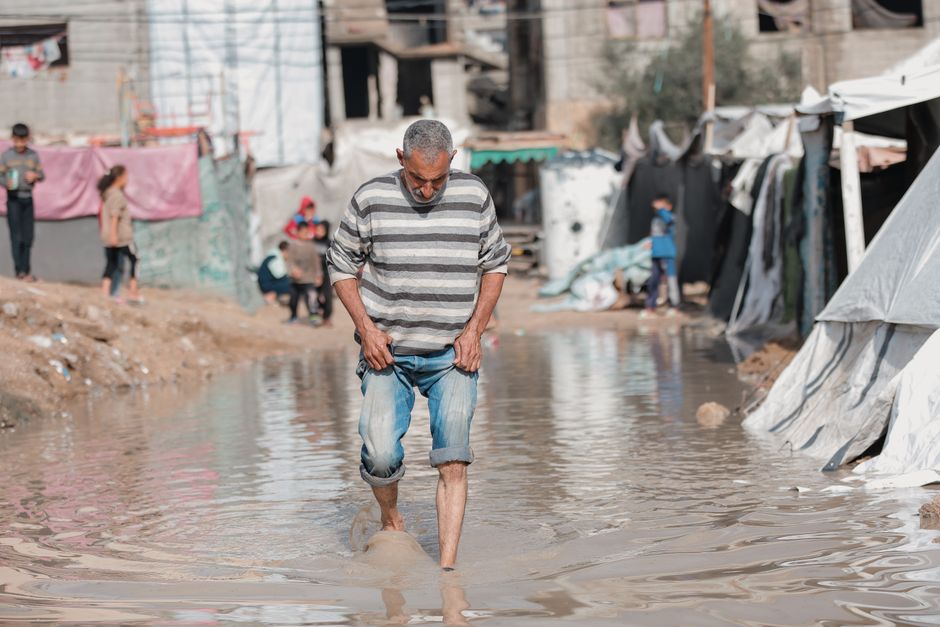
The idea of disarming Hamas in Gaza isn’t just a political chess game; it’s an intellectual battlefield where hope and cynicism wage war for the soul of the region. Few concepts are as deceptively simple yet profoundly complex, especially when the very mention conjures images of endless conflict and unyielding suffering. To believe in such a plan requires ignoring the seismic political realities that underpin every move in this blood-soaked territory.
According to Jeremy Bowen’s analysis for BBC Middle East, any proposed plan for Hamas to disarm faces formidable obstacles, even as it presents a rare spark of hope for the devastated area. He highlights that the intricate web of current political dynamics, the ongoing war, a complete absence of trust, the staggering death toll, and the wholesale destruction across Gaza make any agreement extraordinarily difficult to achieve.
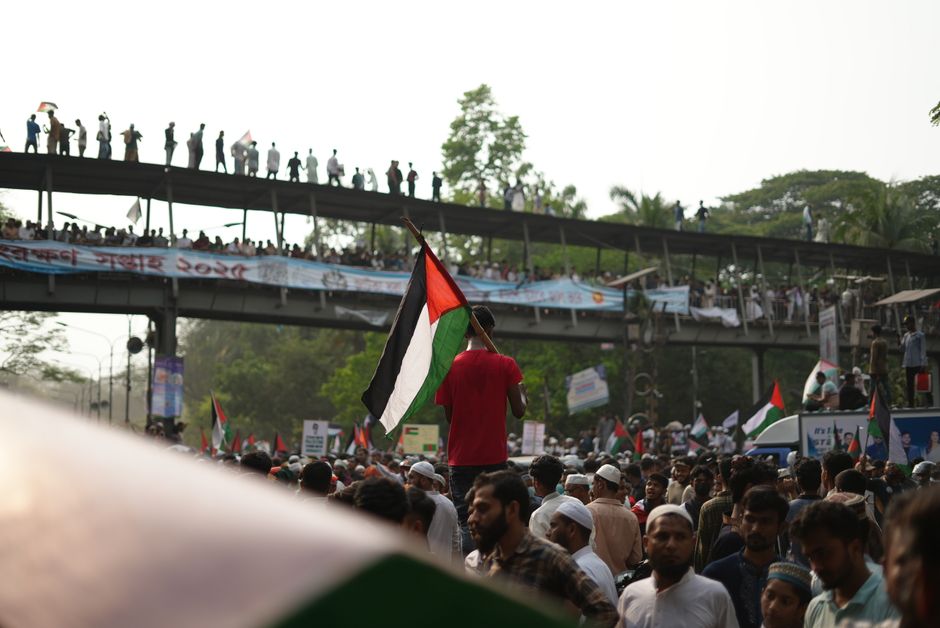
Understanding the Stalemate in Gaza
This isn’t merely about putting down weapons; it’s about dismantling an ideology forged in decades of occupation and siege. The current discourse around Hamas’s disarmament unfolds against a backdrop of historical grievances that run impossibly deep. For many Palestinians, Hamas represents not just a militant group, but a resistance movement, an imperfect but steadfast bulwark against perceived oppression. Their continued existence, therefore, is intrinsically linked to the unresolved core issues of the conflict.
The “zero trust” Bowen refers to isn’t a minor hurdle; it’s the very foundation upon which the current stalemate is built. Israel views Hamas as a terrorist organization committed to its destruction, while Hamas views Israel as an occupying power. This mutual enmity has been cemented by countless cycles of violence, culminating most recently in a war that has left Gaza in ruins and its population reeling from unimaginable losses. Moreover, the deaths of thousands, predominantly civilians, and the widespread destruction of infrastructure, homes, and livelihoods, have only deepened the chasm of mistrust and bitterness.
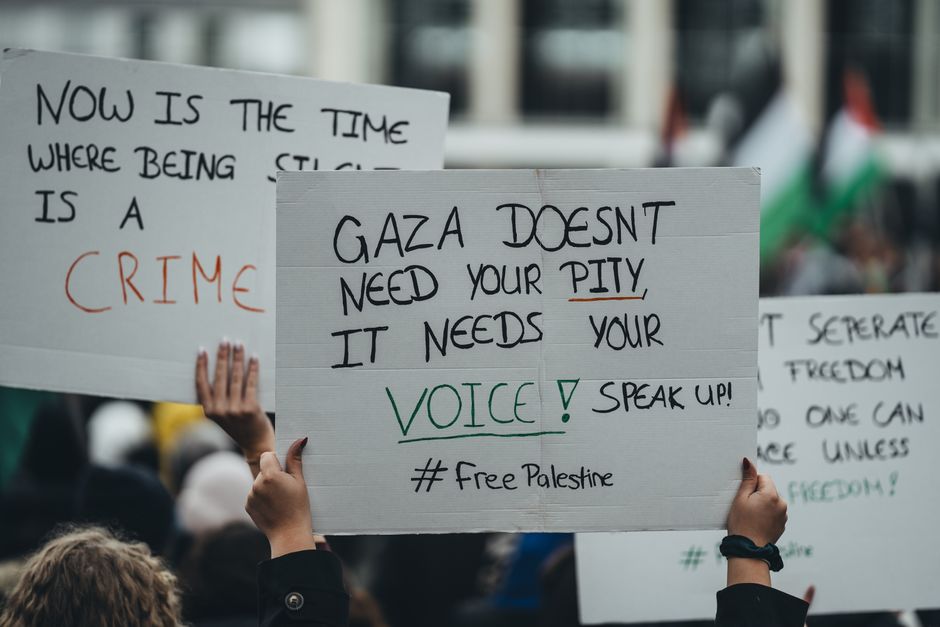
Meanwhile, the international community often finds itself caught between advocating for a two-state solution and condemning acts of terror, struggling to find leverage with either side. Any plan for disarmament, therefore, must navigate not just the immediate security concerns but also the profound humanitarian catastrophe and the political void that defines the daily lives of millions. The players are not just Hamas and Israel; they include the Palestinian Authority, regional powers like Egypt and Qatar, and global powers whose interests are often misaligned with true, lasting peace.
The Illusion of Disarmament Without Justice
Let’s be blunt: a plan for Hamas to disarm, while superficially appealing to those yearning for an end to hostilities, is likely a non-starter without a parallel, credible, and irreversible plan for Palestinian statehood and security. To demand disarmament without addressing the root causes of Hamas’s support is to misunderstand the very nature of resistance movements born from perceived injustice. Who, precisely, is supposed to enforce this disarmament? And what guarantees would be offered to the people of Gaza once their primary defense mechanism, however flawed, is removed?
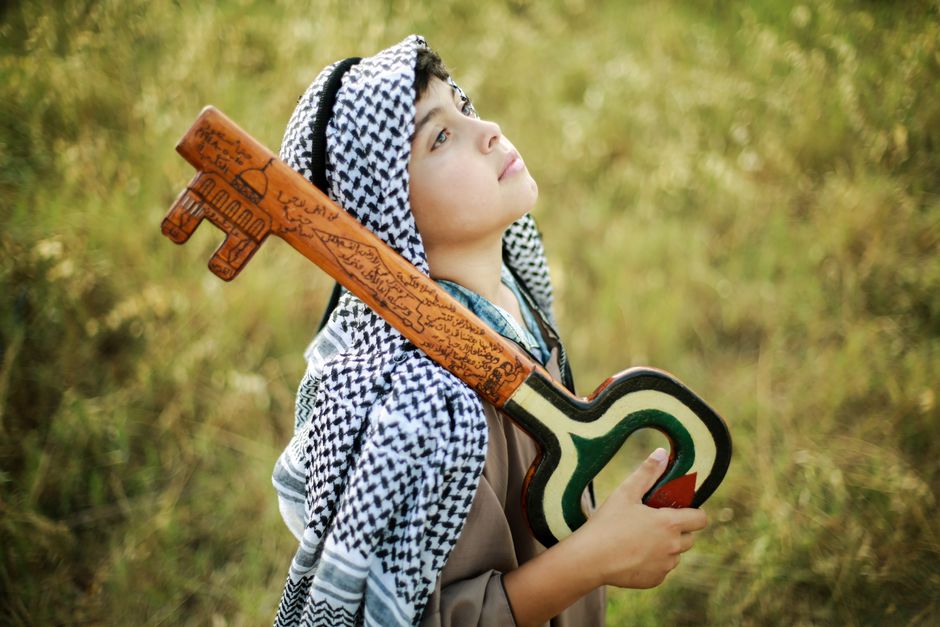
The mainstream narrative often overlooks this critical point. Disarming Hamas in isolation would likely create a power vacuum, potentially leading to even greater instability or the rise of new, equally determined groups. Furthermore, it would strip Palestinians of their perceived agency without delivering tangible improvements to their lives – no end to the blockade, no freedom of movement, no sovereignty. This isn’t peace; it’s a capitulation demanded of one side, with no reciprocal concessions from the other that address fundamental rights and dignity.
This “hope” that Bowen mentions, therefore, feels incredibly fragile, perhaps even cynical. It suggests a diplomatic avenue that sidesteps the hard questions. True peace requires a comprehensive political horizon that provides a viable future for Palestinians, not just the removal of weapons from one faction. Anything less is merely rearranging the deck chairs on a sinking ship, delaying the inevitable resurgence of conflict. A genuine solution must entail security for Israel, yes, but also freedom, dignity, and self-determination for Palestinians.
Until the architects of peace look beyond the mere removal of weapons and confront the very soil from which resistance grows, the “hope” for Gaza will remain a cruel, distant star, flickering enticingly but never quite offering warmth. The path to a truly disarmed Hamas and a lasting peace in Gaza runs through justice and genuine political reconciliation, not just military diktat.
Source: BBC Middle East