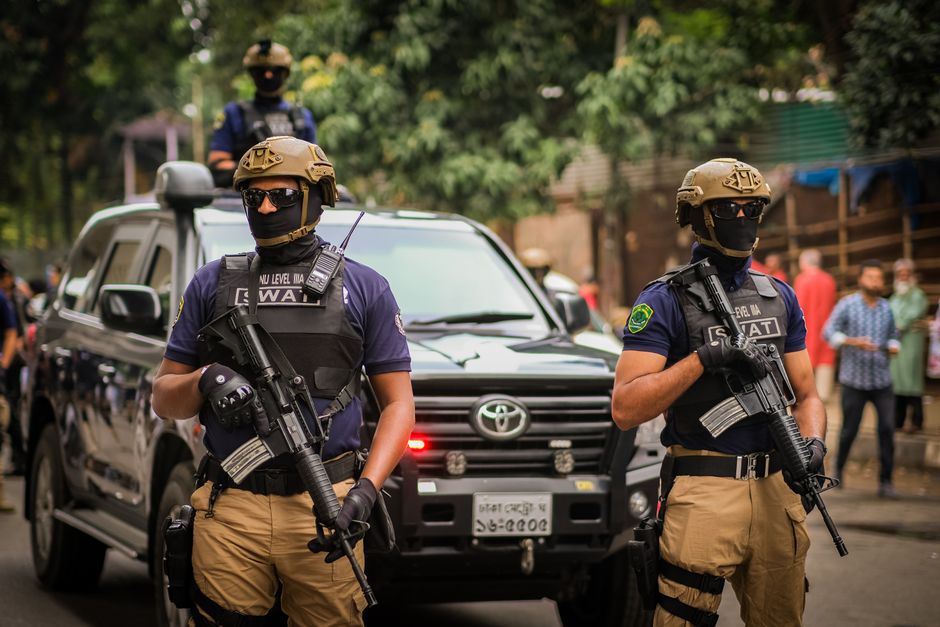
Is Pakistan’s government sleepwalking into another era of unchecked terror, or are we witnessing a deliberate failure to grasp the gravity of the threat? The question hangs heavy in the air following yet another brutal attack claimed by the **Pakistani Taliban**.
According to Arab News PK, the Tehrik-i-Taliban Pakistan (TTP), commonly known as the Pakistani Taliban, has claimed responsibility for a suicide bombing in Swat that tragically killed 17 people. The attack underscores a grim reality for a region long familiar with such violence.
The Resurgence of the Pakistani Taliban
The Swat Valley, once a symbol of Pakistan’s struggle against extremism, had seen a period of relative calm. This calm, however, was always precarious, a fragile peace built on military operations and popular resistance to the Taliban’s draconian rule. This recent bombing shatters any lingering illusions of stability. It’s a stark reminder that the Pakistani Taliban, far from being a spent force, is actively reorganizing and reasserting its presence, particularly in the tribal areas bordering Afghanistan and increasingly in regions like Swat.
The context here is crucial. The TTP’s resurgence is inextricably linked to the Taliban’s return to power in Afghanistan. After the US withdrawal, the Afghan Taliban’s victory emboldened their Pakistani counterparts. This provided a safe haven and operational base across the border, allowing the Pakistani Taliban to regroup and plan attacks with renewed vigor. Meanwhile, Pakistan’s own internal political turmoil and economic instability have diverted critical attention and resources away from counter-terrorism efforts. This creates a dangerous vacuum, which extremist groups are all too eager to exploit. The government’s previous attempts at dialogue with the TTP have largely failed, often perceived as concessions that only emboldened the militants further.
The Uncomfortable Truth About Pakistan’s Security
This latest bombing reveals a profound disconnect between the official narrative of a nation on the path to stability and the bloody reality on the ground. The Pakistani establishment often projects an image of control and decisive action against militancy. Yet, the persistent ability of the Pakistani Taliban to conduct high-casualty attacks, especially in areas previously cleared of their influence, suggests a systemic failure. It’s not just about intelligence lapses, though those are undoubtedly a factor. It’s about a broader strategy that seems unable to adapt to the evolving threat.
Who loses in this scenario? Primarily, the Pakistani people. Civilians bear the brunt of these attacks, living under the constant shadow of violence and fear. The economy, already on life support, suffers further as instability deters investment and disrupts daily life. The government, on the other hand, faces a credibility crisis. Its inability to protect its citizens and secure its territory erodes public trust and fuels cynicism. Meanwhile, the Pakistani Taliban gains a propaganda victory with each successful attack, demonstrating its reach and reminding the populace of its continued power. This cycle of violence and perceived government weakness can only lead to further radicalization and instability.
The mainstream narrative often focuses on individual attacks, treating them as isolated incidents. This misses the larger picture: a deliberate, strategic campaign by the TTP to reclaim territory and influence. It’s a long game, and they are playing it with brutal effectiveness. The government’s ad-hoc responses are simply not enough. What’s truly missing is a comprehensive, sustained, and unwavering strategy that addresses the ideological roots of extremism, secures the porous border, and holds accountable those who provide overt or tacit support to these groups. Without such a robust approach, the peace in Swat, and indeed across much of Pakistan, will remain a fleeting illusion.
How many more lives must be lost before Pakistan confronts the full, horrifying truth about the resurgent threat of the Pakistani Taliban, and acts with the decisive, unified force the situation demands?
Source: Google — Pakistan incidents