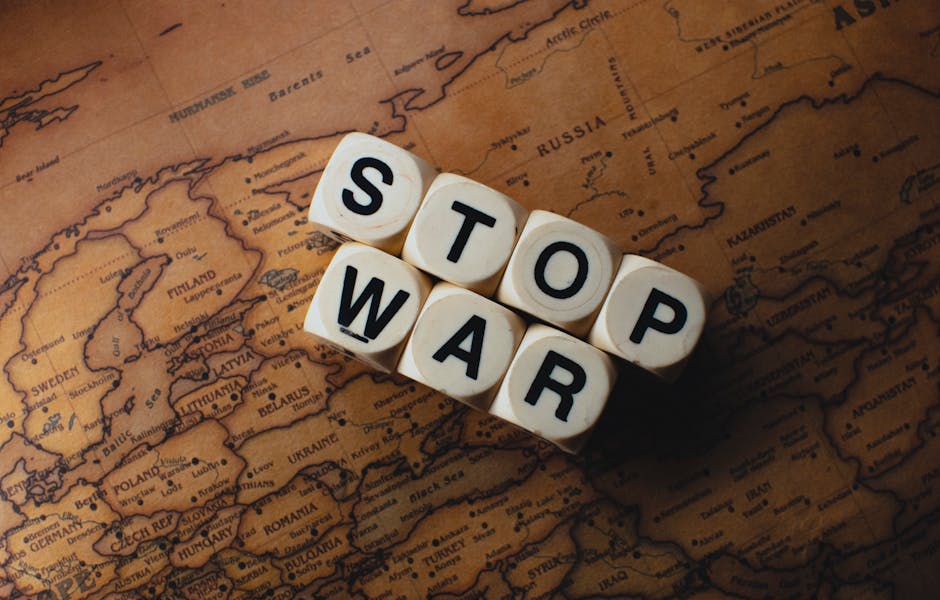
Iran tensions frames the debate here: War is on a hair trigger in the Middle East, yet here we are measuring “slight progress” in talks with Iran like it’s a school report card. According to PBS, U.S. officials hold onto the hope that diplomacy can stave off conflict amid rising tensions and uncertainty over whether the drums of war will start beating once again.
Why Iran tensions matters now
This is a crucial moment. The nuclear deal that once aimed to limit Iran’s atomic ambitions is now in shambles, a casualty of political bickering and geopolitical gamesmanship. The Biden administration is attempting to navigate a labyrinth of diplomacy and military posturing, pitting U.S. interests against an emboldened Tehran. In the background lurks Israel, ready to act should it perceive its existence threatened by a nuclear-armed Iran, while regional proxies stand poised for conflict at the slightest provocation.
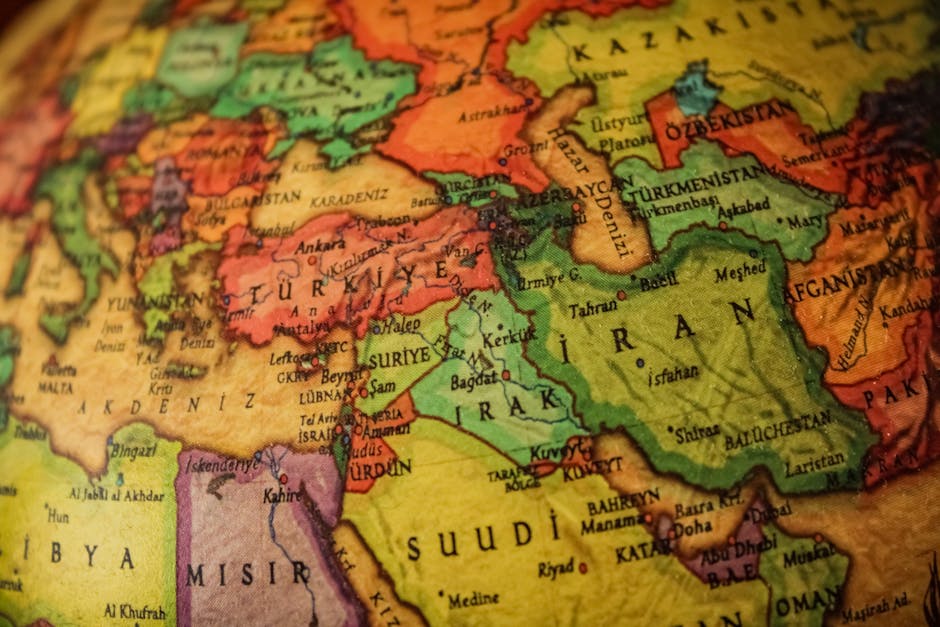
Let’s break this down: the stakes couldn’t be higher. The past two decades have shown us that American involvement in the Middle East is a double-edged sword. Every military engagement breeds instability, and the emotional toll of war hangs over the region like a dark cloud. Just when we think we can put away the military gear, a flurry of provocations shoots the conversation back into the realm of potential conflict.
The stakes around Iran tensions
The U.S. is in a precarious position. With the ticking clock of Iranian nuclear advancement, every moment wasted in negotiations could push us closer to a military confrontation. A misguided belief in incremental progress could be disastrous; a mere whisper of optimism will not halt a regime that has repeatedly demonstrated its willingness to play a high-stakes game of poker with its nuclear program. The danger here isn’t just the prospect of war—it’s the failure to recognize how fragile this peace really is.
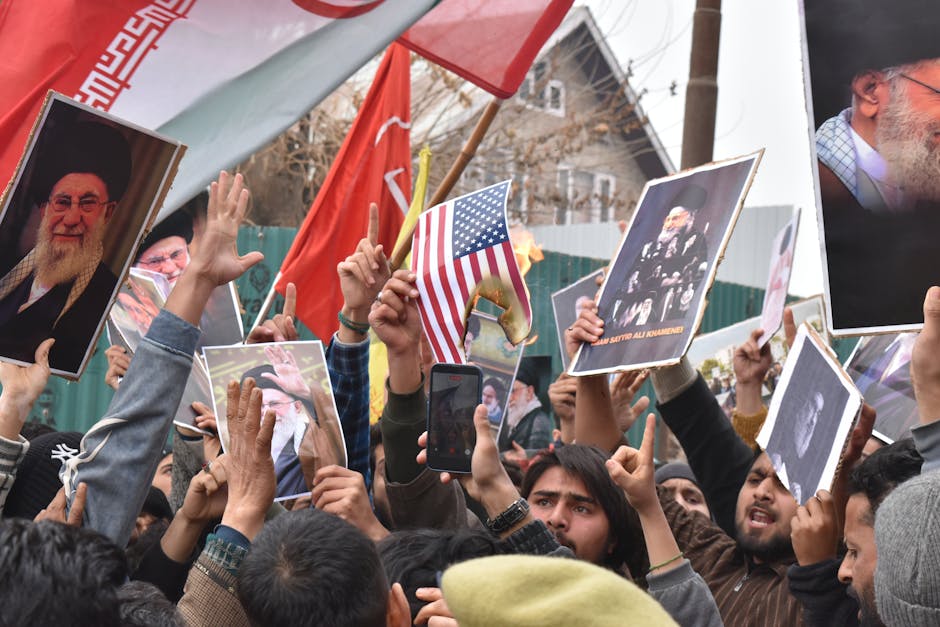
What’s more troubling is the diplomatic dance being performed in Washington, where policymakers are cherry-picking information to fit narratives that suit their agendas. The mainstream media often fails to address the hypocrisy of U.S. assertions. On one hand, we’re seeking to placate Iran while simultaneously undermining its positions through sanctions and military show of force. This is an age-old strategy of creating an adversary and then engaging in half-hearted negotiation, rather than a genuine effort for lasting peace.
Let’s not beat around the bush: the outcome of these talks could swing heavily in Tehran’s favor. As the U.S. grapples with internal divisions over the Iran issue, Iran’s leaders are emboldened by the uncertainty, engaging with the West while doubling down on their regional ambitions. The risk here is not only the nuclear threat but also the empowerment of a regime that has historically supported terrorism and instability.
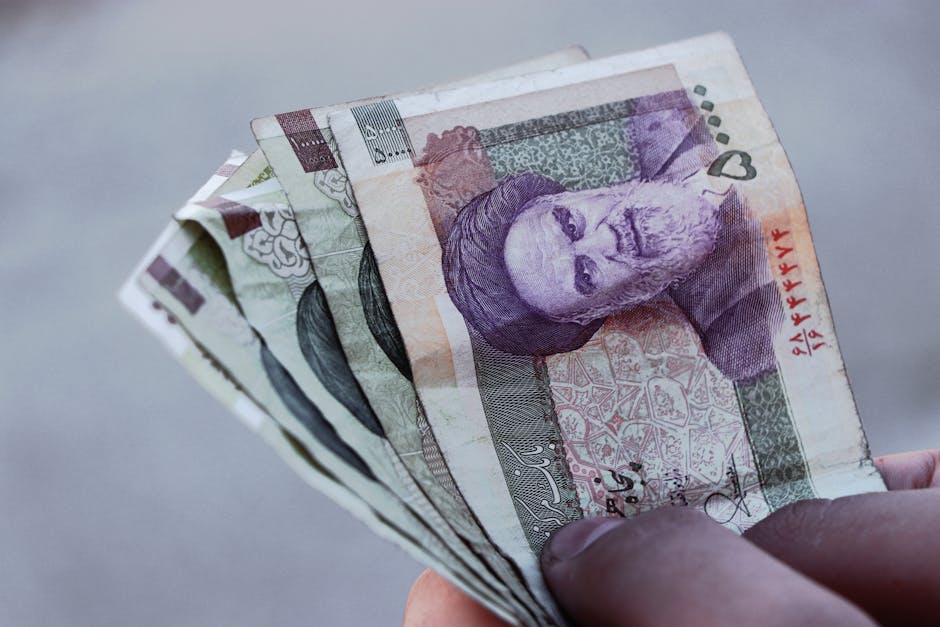
There’s a chance we could be playing a dangerous game of chicken. If the U.S. isn’t willing to up the ante through real, impactful measures—or if it continues to allow itself to be boxed in by Iran’s strategic maneuverings—then we risk a descent back into war. And let’s be clear: that would be a catastrophe for all involved.
As we stand on the precipice of potentially catastrophic choices, we must question our approach. Are we truly committed to diplomatic engagement, or are we simply going through the motions until we’re forced back into the battlefield? The world is watching. The stakes are too high for American foreign policy to be reduced to mere optics and empty rhetoric.
So, the next time a U.S. official sidles up to the microphone to tout “slight progress,” we should all clench our jaws and demand to know: how slight? And at what cost?
Source: Google — Middle East