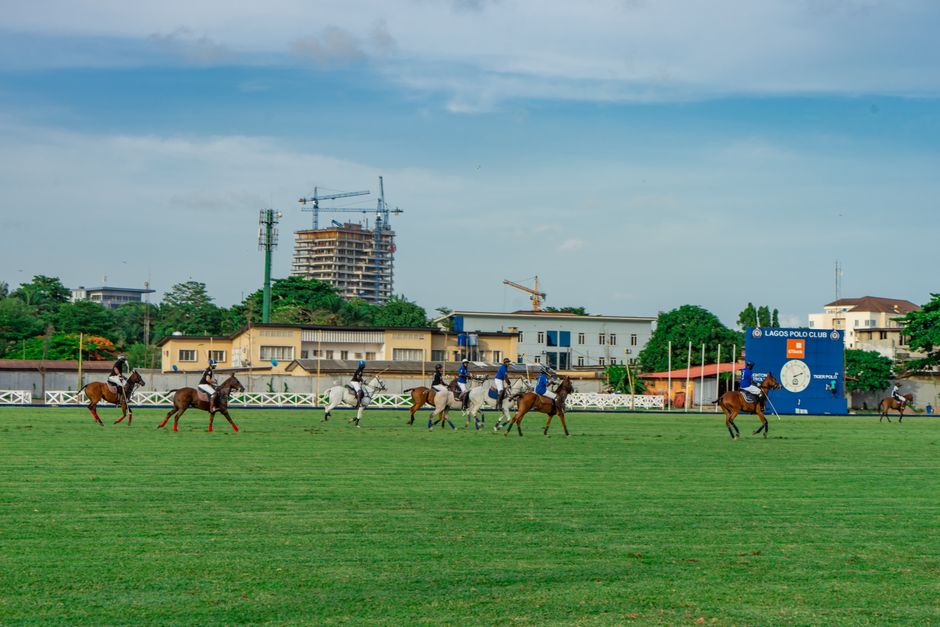
Let’s be brutally honest: celebrating Nigeria as “Africa’s best” at the Commonwealth Games feels less like a triumph and more like a cruel joke. While the country’s contingent certainly deserves applause for their individual grit, their performance merely highlights a deeper, more systemic failure within African sports development.
According to Vanguardngr.com, Nigeria impressively secured 10 gold, seven silver, and seven bronze medals, totaling 24, placing them 7th overall and making them the highest-ranked African nation, ahead of South Africa and Kenya.

The Commonwealth Games and African Ambition
This achievement, on the surface, is a beacon of pride for a nation often plagued by negative headlines. It represents countless hours of sacrifice from athletes who, more often than not, battle against staggering odds just to compete. Their success is a testament to raw, unyielding talent that exists in abundance across the continent.
However, we must ask ourselves: what exactly does “Africa’s best” truly signify in the context of the Commonwealth Games? This event, after all, is a vestige of a colonial past, largely comprising nations with historical ties to the British Empire. It is not the Olympic Games, nor is it a true global benchmark of sporting prowess. It’s a specific, often less competitive, arena.
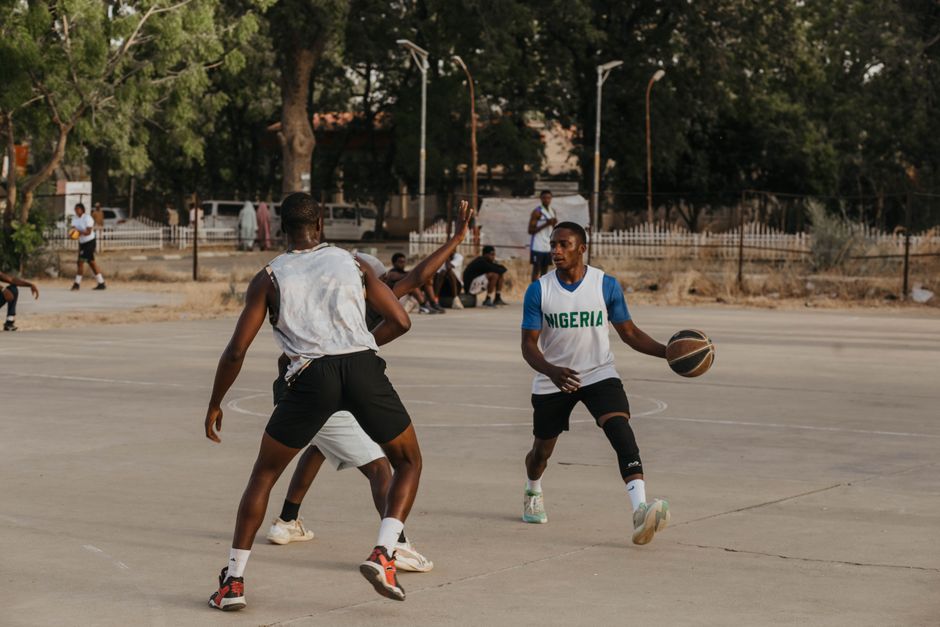
The real ambition for any sporting nation should be global dominance, not just regional supremacy within a historically limited competition. The infrastructure, funding, and systematic athlete development seen in top-tier sporting nations remain largely absent across much of Africa. Nigeria’s athletes often train in dilapidated facilities, face chronic underfunding, and navigate bureaucratic nightmares. Their success is often *despite* the system, not *because* of it.
Nigeria’s Sporting Contradiction
Here lies the uncomfortable truth: Nigeria, a nation of over 200 million people with an undeniable reservoir of athletic potential, consistently underperforms on the world stage relative to its size and talent pool. Finishing 7th in the Commonwealth Games is commendable, yes, but it’s also a stark reminder of what could be if genuine investment and structural reforms were in place. We celebrate individual heroics, but we rarely interrogate the broken pipeline that produces so few of them relative to the population.
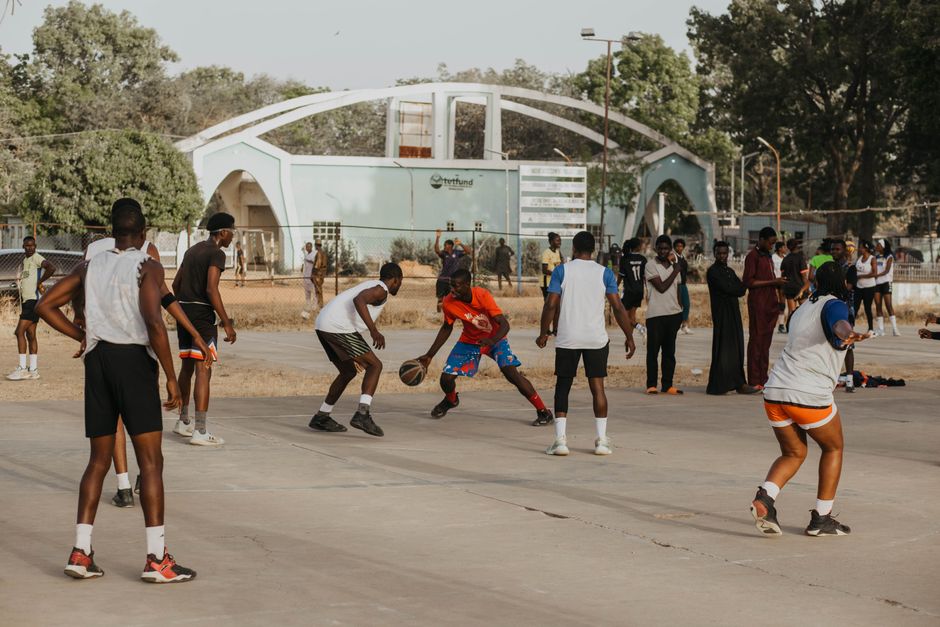
Consider the brain drain in sports: countless Nigerian athletes, from basketball to track and field, represent other nations simply because those countries offer better opportunities, better training, and a clearer path to professional success. This isn’t just about patriotism; it’s about survival and maximizing potential. Nigerian-born talents are winning medals for Britain, the US, and Canada. This should sting more than any medal count satisfies.
The nation’s sporting bodies are often mired in corruption and mismanagement, with funds earmarked for athlete welfare and development frequently diverted or misused. Facilities remain substandard, and grassroots programs, if they exist at all, are often starved of resources. So, while we cheer the 24 medals from the Commonwealth Games, we must also mourn the thousands of potential champions whose dreams are extinguished before they even have a chance to ignite.
This isn’t a critique of the athletes themselves; it’s a scathing indictment of the system that claims to support them. The narrative of “Africa’s best” risks complacency, diverting attention from the urgent need for fundamental change. It allows decision-makers to bask in reflected glory without addressing the rot beneath the surface. True sporting leadership would leverage this success to demand accountability and drive systemic overhaul, not just pat itself on the back.
So, while we acknowledge the sweat and tears that went into every single medal won at the Commonwealth Games, let’s not be fooled into thinking this is a sign of robust sporting health. It is, more accurately, a flashing red light, signaling the immense untapped potential that continues to be squandered. When will Nigeria truly harness its athletic might, not just for a colonial relic, but for genuine global impact?
Source: NewsAPI:q