Here we go again. The grim dance between global stability and the price of **oil** has once more taken center stage, proving that no matter how much we talk about green energy, the world still runs on crude. The latest surge isn’t just a number; it’s a flashing red light for everyone from Riyadh to Rotterdam.
According to BBC Middle East, Brent crude prices spiked by over 6% on Thursday, shattering the $100 per barrel mark. This ascent marks the first time since May that the benchmark has reached such a dizzying height. The catalyst, as ever, is the relentless escalation of the war in the Middle East, an ongoing geopolitical tremor with global economic aftershocks.
The Geopolitics of Global Oil
This isn’t merely about a commodity; it’s about power, vulnerability, and the harsh realities of a world perpetually on edge. When conflict flares in the Middle East, the global economy braces for impact, and the first casualty is often predictable: stable energy prices.
The region, home to some of the world’s largest **oil** reserves, is a critical artery for international trade and energy supply. Any disruption, perceived or real, sends ripples of anxiety through markets, prompting traders to bet on scarcity and push prices upwards.
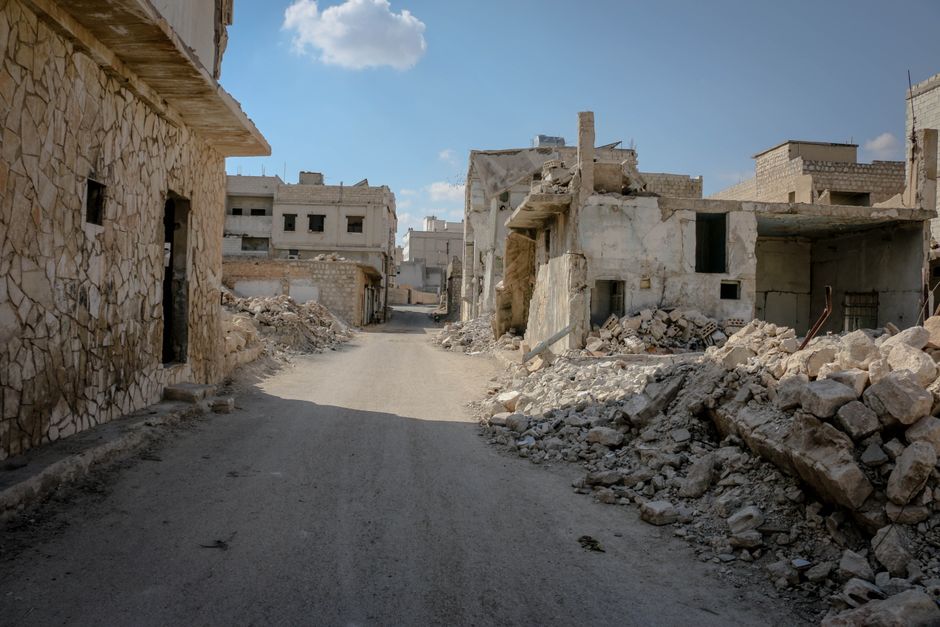
What we’re witnessing now is the market pricing in prolonged instability. The conflict, far from de-escalating, seems determined to carve out new fronts and deepen existing grievances. This creates a risk premium that every driver, every manufacturer, and every nation will ultimately pay.
For months, analysts have warned that a wider regional conflict was not just possible but probable. These warnings, often dismissed as doomsaying, are now manifesting in concrete economic terms. The $100 barrel isn’t an anomaly; it’s a symptom. It reflects a growing consensus that the Middle East’s volatile situation will continue to impact global supply chains for the foreseeable future.
Who Profits from the Price Hike?
Let’s be blunt: while consumers worldwide wince at the pump, certain players are undoubtedly laughing all the way to the bank. Major **oil**-producing nations, particularly those with stable domestic politics insulated from the immediate conflict, stand to gain immensely. Their coffers will swell, funding domestic projects or, more cynically, further strengthening their hand in regional power plays.
Meanwhile, the developing world, already struggling with inflation and economic precarity, will bear the brunt of this energy shock. They simply lack the buffers to absorb such a sudden increase in costs. This disparity underscores a stark global inequality exacerbated by conflict.
The mainstream narrative often focuses on the immediate economic impact – inflation, interest rates, consumer spending. However, the deeper story lies in the geopolitical leverage this grants. Nations that control significant energy resources gain immense bargaining power, potentially altering alliances and diplomatic postures on the world stage.
Consider the long-term implications for climate policy. High oil prices, while theoretically incentivizing a shift to renewables, can also trigger a desperate scramble for *any* available energy. This might mean renewed investment in fossil fuels from nations prioritizing immediate energy security over distant environmental goals. The urgency of the moment often trumps long-term vision.
Furthermore, the West’s often-contradictory energy policies are exposed. Decades of rhetoric about weaning off fossil fuels collide head-on with the immediate, visceral need for cheap energy when geopolitical crises erupt. This hypocrisy isn’t lost on the rest of the world, who watch as rhetoric falters under pressure.
Sanctions, too, play a complex role. While intended to cripple adversaries, they can inadvertently tighten global supply, pushing prices up for everyone. The intricate web of global energy markets means that a blow aimed at one entity often ricochets, hitting unintended targets with devastating effect.
The real danger here isn’t just the sticker shock. It’s the potential for this economic pressure to exacerbate social unrest in vulnerable countries, creating secondary crises. History is littered with examples of economic hardship fueling political instability, and this scenario is ripe for repetition across vast swathes of the globe.
The global south, in particular, will face immense pressure. Their economies, often reliant on imports and with less diversified energy mixes, are disproportionately affected. This isn’t just about economic models; it’s about human suffering and potential political upheaval on a vast scale that the West often conveniently ignores.
So, as Brent crude hits $100 again, don’t just see a number. See the grim reflection of a world where conflict dictates commodity prices, and the most powerful leverage remains control over the black gold beneath our feet. The price of **oil** is not just an economic indicator; it’s a barometer of global insecurity, and right now, it’s screaming.
How long until the world truly learns that stability, not exploitation, is the only sustainable energy policy? Or are we destined to ride this volatile rollercoaster indefinitely, always at the mercy of the next Middle Eastern flashpoint?
Source: BBC Middle East