What a weekend. While most of us were trying to unplug, a trio of unsettling stories quietly surfaced, each a stark reminder of the fragile trust we place in institutions, science, and the very information we consume. These aren’t just isolated blips; they’re cracks in the foundation of public confidence, demanding scrutiny long after the weekend is over.
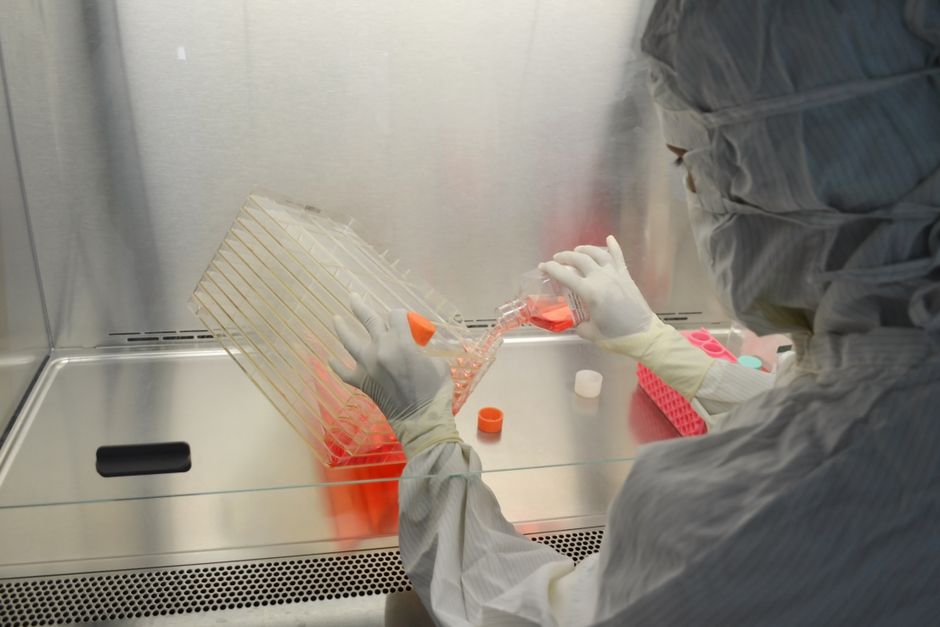
According to Retraction Watch, the week revealed a young girl’s death following gene therapy that was never made public. Separately, the FDA was forced to retract a test result concerning lettuce. Finally, the American Dental Association (ADA) delayed an editorial publication due to an unspecified controversy.
The Uncomfortable Weekend Truths
Each of these revelations, unearthed over the past week, chips away at fundamental expectations. The silence surrounding a child’s death in a gene therapy trial isn’t merely an oversight; it’s a potential cover-up. This kind of non-disclosure undermines the entire ethical framework of medical research. Patients and their families assume transparency, especially when lives are on the line.
Meanwhile, the FDA’s retraction of a lettuce test result directly impacts public health and trust. This is the agency charged with safeguarding our food supply. When its scientific findings are unreliable, it begs serious questions about their processes and competence. How can consumers trust warnings or assurances if the underlying data is flawed?
Then there’s the ADA, an organization meant to uphold professional standards, delaying an editorial due to “controversy.” This is a classic move that often signals internal dissent or a fear of public backlash. It raises alarms about intellectual freedom within professional bodies and the pressures that might lead to self-censorship. What truth was too inconvenient to publish?
These aren’t just technical glitches. They are symptoms of a deeper malaise, a systemic issue where accountability and transparency are often sacrificed. The public deserves to know the full story, whether it’s about medical breakthroughs, food safety, or professional discourse. The stakes are too high for anything less.
Who Pays for this Weekend’s Failures?
This isn’t merely a collection of unfortunate weekend headlines; it’s a stark preview of the challenges we face in the coming week and beyond. The hidden gene therapy death highlights the immense pressure in biotech to deliver results, often at the expense of full disclosure. Who benefits from keeping such critical information under wraps? Certainly not future patients, who rely on complete data to make informed decisions. This secrecy fosters an environment where potential dangers can be downplayed, putting more lives at risk in the pursuit of profit or prestige.
The FDA’s fumbled lettuce test sends a chilling message to consumers and industry alike. If the gold standard for food safety can err so fundamentally, what confidence can we have in their other pronouncements? This error doesn’t just affect a single batch of lettuce; it erodes the very bedrock of regulatory authority. Expect more skepticism in the market and potentially increased litigation as trust falters. The cost of regaining that trust will be astronomical, both financially and reputationally.
As for the ADA’s editorial delay, it points to a chilling effect on open debate. Professional bodies are meant to foster discussion, not suppress it. When “controversy” becomes a reason to silence, it signals a deeper problem of ideological capture or institutional timidity. This self-censorship sets a dangerous precedent, discouraging critical thought and allowing uncomfortable truths to fester unaddressed. It stifles the very intellectual progress these organizations are supposed to champion.
The common thread is clear: a widening gap between what institutions *claim* to do and what they *actually* do. People are losing faith in the systems designed to protect them, inform them, and serve their best interests. When institutions fail to be transparent, they invite cynicism. This isn’t just a crisis of information; it’s a crisis of legitimacy.
As this weekend fades, the questions these stories raise will not. We are left to wonder what other crucial information remains buried, what other scientific missteps are being quietly corrected, and what vital discussions are being stifled behind closed doors. The onus is on these institutions to earn back the public’s trust. But more importantly, the onus is on us to demand it.
Source: NewsAPI:q