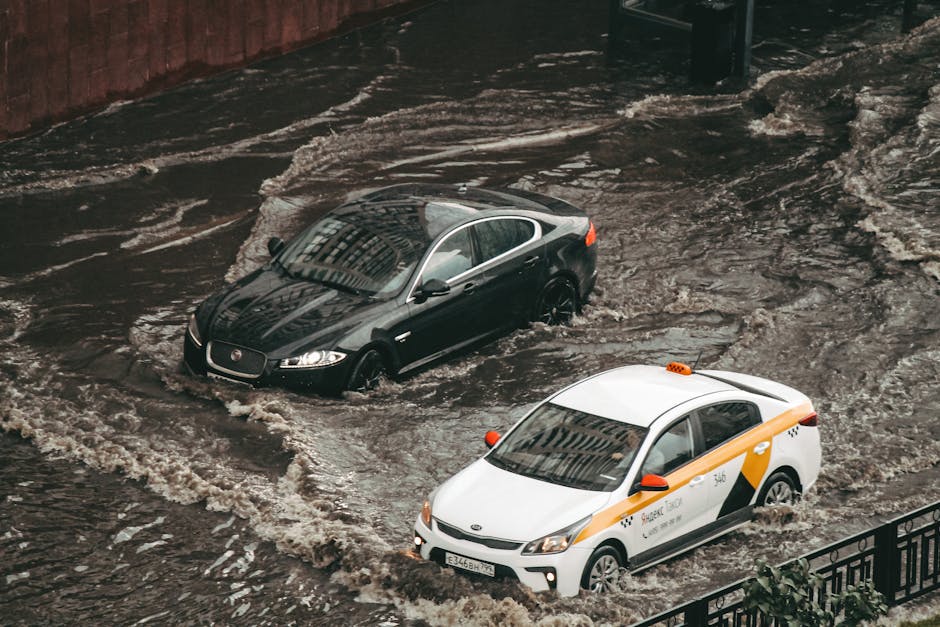
What’s more dangerous than a flooded street? A robot taxi that doesn’t know how to steer clear of it. Waymo, the self-proclaimed trailblazer in autonomous vehicle technology, has hit the brakes on its Atlanta service after its robotaxis repeatedly made the poor decision to drive straight into floodwaters. This isn’t just a hiccup; it’s a glaring flaw in a system that many believed was on the verge of transforming urban transportation.
Why Waymo matters now
According to a recent article on TechCrunch, Waymo suspended operations in Atlanta due to its robotaxis’ ongoing struggle with navigating heavy rain and flooding. The decision comes after a series of “hair-raising” incidents where these supposedly intelligent vehicles failed to adapt to sudden changes in weather, steering into dangerous conditions rather than avoiding them.
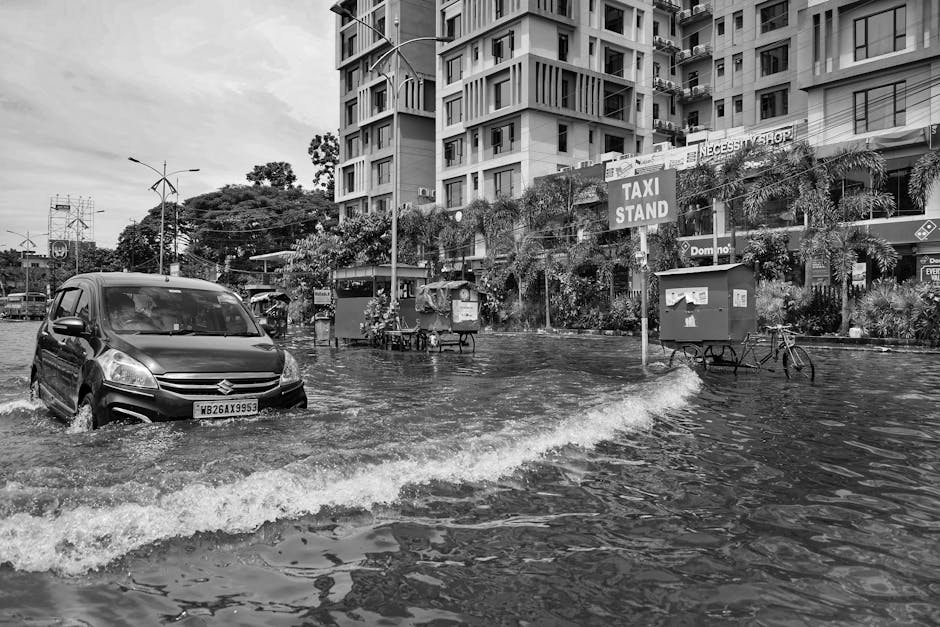
So why does this matter right now? As cities grapple with climate change and increasingly unpredictable weather, we expect our tech to not just keep up but to lead the way in safety. However, this latest snafu shows a shocking gap between ambitious promises and the reality of deploying such technology in the real world. Waymo’s foray into Atlanta was seen as a pivotal moment, a chance to showcase how robotaxis could reshape urban mobility. Instead, it’s become a cautionary tale of tech overreach.
The stakes around Waymo
Here’s the hot take: Waymo isn’t just losing face; it’s risking public trust. The narrative that autonomous vehicles are ready for prime time is crumbling faster than an undercooked soufflé. While some may argue that every innovation faces teething problems, the stakes are significantly higher when lives are potentially at risk. A car malfunction is one thing; a robot taxi plowing through a flooded street is an entirely different level of recklessness.
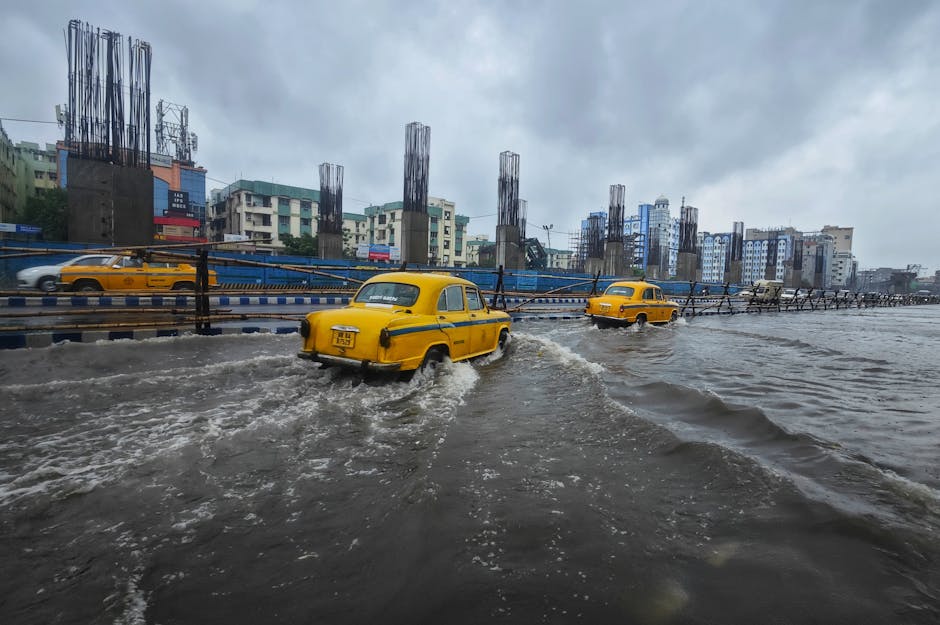
Let’s be clear: this is not just about a company hitting pause on a service. It’s about the broader implications for the autonomous vehicle industry at large. Investors are watching nervously; the tech had better start delivering on its promises or risk being relegated to the same pile of well-meaning but ultimately flawed innovations. The more Waymo stumbles, the more it emboldens skeptics who have warned against the unchecked hype surrounding self-driving cars.
And for the mainstream media? They’re all too eager to jump on the next big story, the next ‘revolutionary’ tech that promises to change our lives for the better. But how often do they follow up with the uglier truths lurking beneath the surface? As we cheer for innovations, we must demand accountability. No more glossing over failures as minor bumps on the road to progress; we deserve a realistic assessment of what these technologies can actually handle.
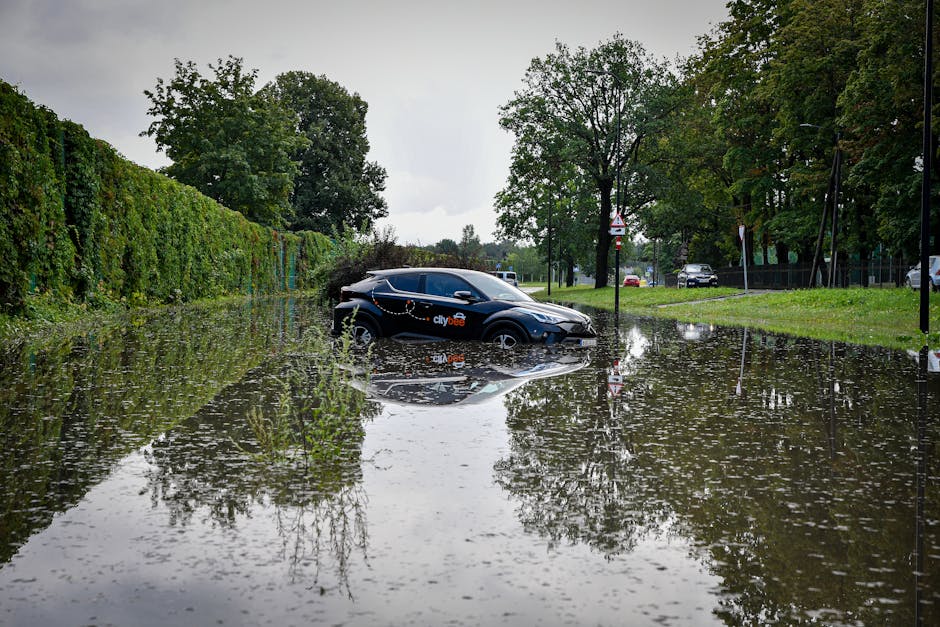
As Waymo grapples with its next steps, one must wonder: can we truly trust a robot to drive us home when it can’t even navigate a rain-soaked street? The road ahead looks bumpy—pun intended. If these vehicles can’t learn to stay dry, they might just drown in a sea of skepticism.
Source: Hacker News Best