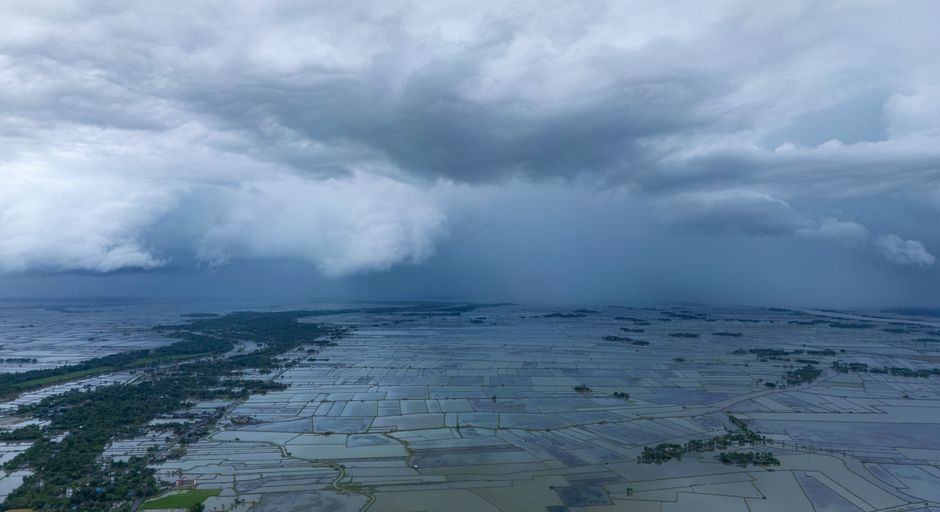
Another monsoon season, another tragedy. Are we truly surprised when **heavy** rains devastate Bangladesh, or have we simply grown numb to the predictable cycle of climate catastrophe hitting the world’s most vulnerable? The headlines might change, but the grim reality of recurring disaster remains stark and unforgiving.
According to BBC Asia, flash floods and landslides have ripped through large parts of Bangladesh, claiming the lives of 51 people and leaving thousands more homeless. This latest deluge comes as the country grapples with the ongoing, escalating human cost of extreme weather events.
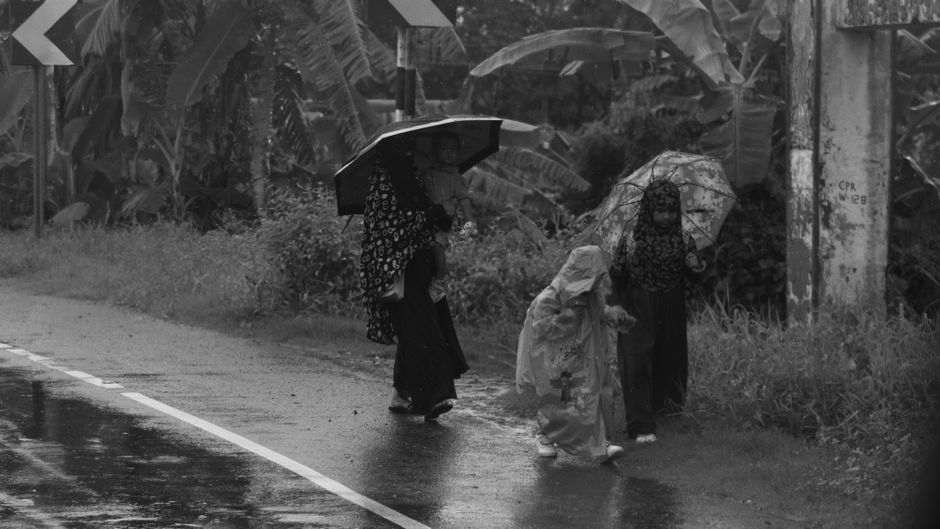
Bangladesh’s Heavy Burden: A Nation on the Edge
Bangladesh, a low-lying delta nation, is perpetually caught in the crosshairs of climate change, a crisis largely not of its making. Its unique geography, intricately crisscrossed by mighty rivers, makes it inherently susceptible to flooding during the annual monsoon season. However, what we’re witnessing now transcends the historical patterns of natural cycles. The sheer intensity and alarming frequency of these **heavy** rainfall events are increasing dramatically, a direct and undeniable consequence of a warming planet. For millions living in densely populated, often impoverished areas, there is simply little refuge when the waters rise with such ferocity.
This isn’t merely about improved water management or more resilient infrastructure, though both are desperately needed. It’s fundamentally about a nation paying an exorbitant price for global emissions it barely contributed to over centuries of industrialization. The historical polluters, meanwhile, often offer little more than platitudes and woefully insufficient aid, expecting Bangladesh to bear the brunt of a global problem. Coastal communities face a relentless assault, while inland regions contend with flash floods that turn fertile lands into raging torrents in a matter of hours. The country’s already strained resources are stretched to breaking point with each successive disaster.
The Global Hypocrisy of Climate Inaction
Let’s be blunt: the international community is failing Bangladesh, and it’s doing so with a disturbing consistency. We read reports of displacement and death, then scroll past, perhaps offering a fleeting thought, content that it’s somehow “their problem.” But it’s not. It’s a collective indictment of our global priorities, our profound lack of foresight, and our collective paralysis in the face of an unfolding humanitarian crisis. The West, largely responsible for the historical industrial emissions that fueled this very crisis, doles out crumbs in the form of aid while simultaneously expecting nations like Bangladesh to shoulder the entire, crippling burden of adaptation. This isn’t charity; it’s a profound moral and environmental debt, and it’s long overdue for repayment.
The mainstream narrative often shifts to immediate relief efforts, which are, of course, absolutely necessary for survival. Yet, this intense focus on the immediate often distracts from the systemic failure to invest in genuine, long-term resilience and, more critically, to drastically cut global emissions at their source. We are, quite literally, patching bullet holes with band-aids while ignoring the shooter. These **heavy** monsoons are not just “natural” disasters in the traditional sense; they are devastating manifestations of a deep-seated global injustice. The lives lost are not mere statistics to be tallied and forgotten. They are a tragic, direct consequence of a world too slow to act, too selfish to genuinely change course.
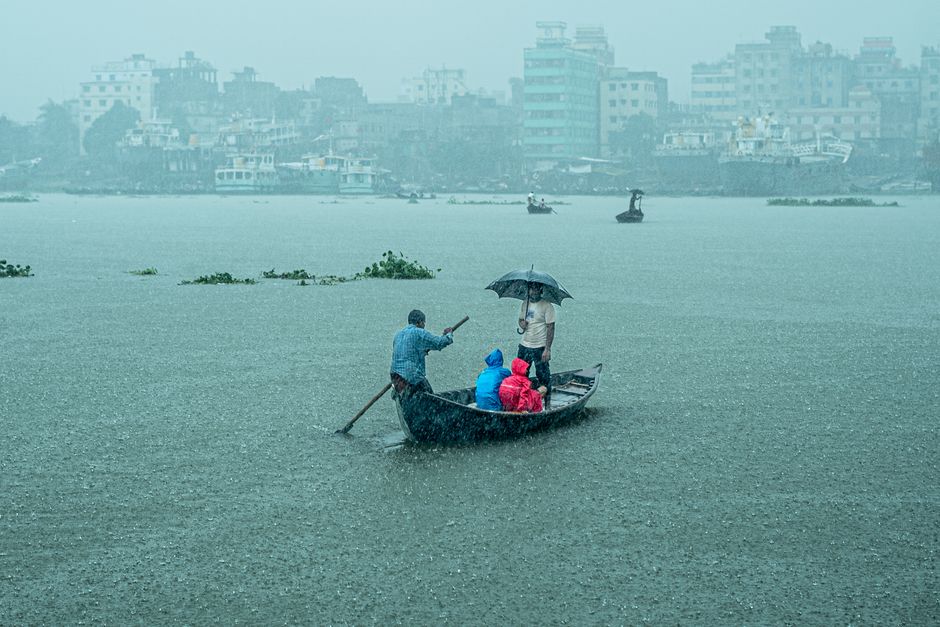
The displaced thousands face an increasingly precarious and uncertain future, their homes washed away, their hard-earned livelihoods destroyed, their communities fragmented. This relentless cycle of destruction and rebuilding is not only economically unsustainable but also psychologically crushing for entire generations. Some might argue that local governance issues or corruption also play a role in exacerbating these disasters. While internal challenges certainly exist in any nation, they pale in comparison to the existential threat posed by climate change, a threat overwhelmingly external in its causation for Bangladesh. The true beneficiaries of this inaction are the powerful fossil fuel industries and the political systems that protect them, perpetuating a status quo that quite literally drowns the developing world. The ultimate losers are the most vulnerable, caught helplessly between rising seas and indifferent global powers.
So, as the water eventually recedes and the world inevitably moves on to the next headline, ask yourself: how many more lives must be claimed by **heavy** rains and devastating floods before we demand real accountability from those truly responsible? How many more times will Bangladesh be forced to pay the ultimate price for our collective inaction and willful blindness?
Source: BBC Asia