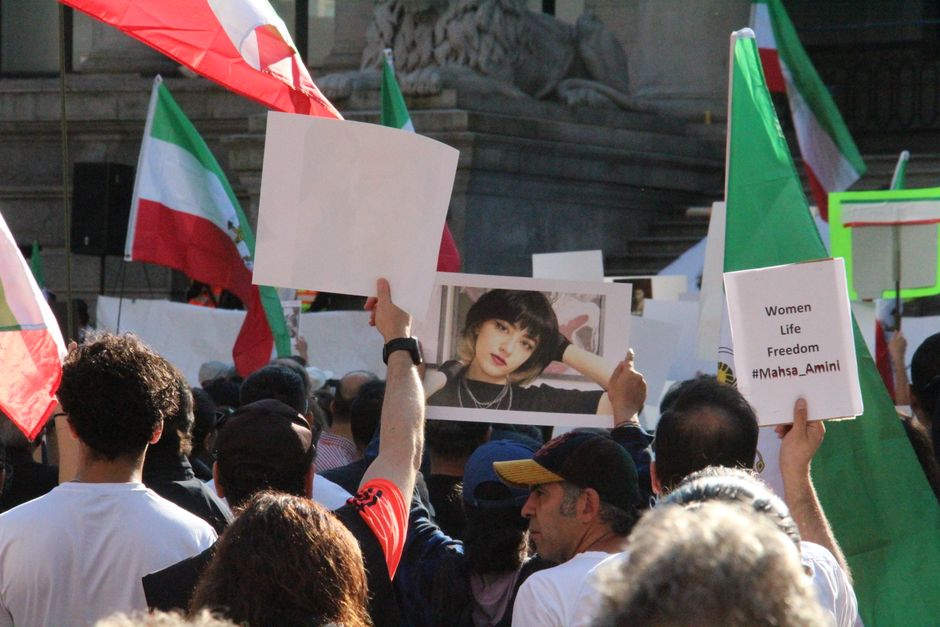
A **huge** crowd in Tehran isn’t just a show of mourning; it’s a terrifying declaration. When millions flood the streets, waving flags of their nation alongside banners explicitly calling for vengeance, you have to ask: for whom, and against whom, is this colossal public display orchestrated?
According to BBC Middle East, vast numbers of people gathered in Tehran for the funeral procession of the former supreme leader. Many in the throng were observed carrying Iranian flags and distinctive red banners, starkly symbolising vengeance for the leader’s war death.
The Huge Shadow of Succession
This isn’t merely a state funeral; it’s a political earthquake reverberating across the Middle East. The death of Iran’s supreme leader, especially one attributed to a “war death,” immediately plunges the Islamic Republic into a precarious power vacuum. This colossal demonstration of public mourning, whether spontaneous or meticulously organized, serves a dual purpose: to project national unity and to signal unwavering resolve in the face of perceived enemies. The timing, just as Monday’s political week begins globally, is acutely significant. It sets the tone for how the world, and especially the region, will interpret Iran’s immediate future.
The immediate challenge for Iran is the succession. The sheer scale of the funeral procession, with its explicitly stated demand for “vengeance,” isn’t just about closure for a fallen leader. It’s about laying down a powerful mandate for the incoming one. Any new supreme leader will inherit not just the mantle of power, but also the weight of this public expectation for retribution. This massive display constrains their options, potentially pushing them towards a more hardline stance, lest they appear weak or uncommitted to the nation’s collective grief and anger. The regional implications are dire, as neighboring states and global powers watch nervously for signs of escalation.
The Message of Red Banners
Let’s not be naive. While genuine grief certainly motivates some, the Iranian state is a master of carefully choreographed public spectacles. The emphasis on “vengeance” isn’t incidental; it’s the core message being broadcast, internally and externally. This isn’t about peace or reconciliation. It’s a warning shot fired across the bows of any nation or entity deemed responsible for the former leader’s demise. The red banners are not just symbols; they are a direct threat, a promise of future action that will define the early tenure of the new Iranian leadership.
The mainstream media might focus on the “crowd size” as a measure of popular support, but Waqya.com sees it differently. The real story is the *nature* of that support, and the narrative it’s being mobilized to endorse. This **huge** public outpouring is a form of political capital, a resource to be spent by the regime. It signals to domestic dissidents that the state’s power base remains formidable. More critically, it communicates to regional adversaries—and indeed, to the West—that Iran’s strategic calculations will now be framed by a powerful, publicly endorsed demand for retaliation. Any diplomatic overtures or de-escalation efforts will now be significantly harder to achieve, as the new leadership attempts to live up to this public vow.
The incoming supreme leader, whoever they may be, will find themselves navigating a complex and dangerous landscape. They must simultaneously consolidate power, manage internal factions, and externalize the nation’s grief into a coherent foreign policy. This funeral, far from being an end, is a volatile beginning. The red banners fluttering over Tehran are a stark reminder that the fires of conflict in the Middle East are far from extinguished. They are, in fact, being actively fanned. The question isn’t if Iran will seek retribution, but *when* and *how* this collective demand for vengeance will manifest on the global stage.
Source: BBC Middle East